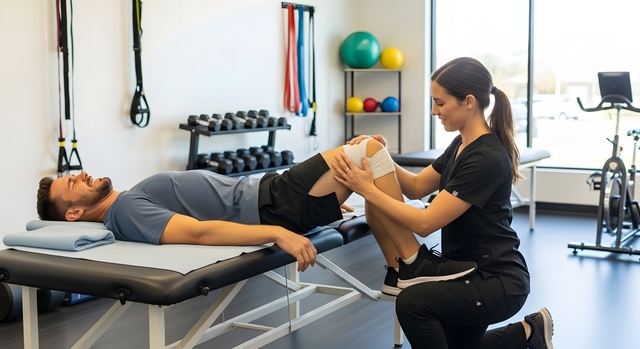
A lot of people in South Tucson stay busy all week, then try to do everything on Saturday. A long hike. A pickup game. A big home project. The body is not ready for that jump in load. Injuries often start in plain moments. You step off a curb wrong. You twist while carrying a cooler. You sprint once and feel a pull. Then Monday shows up, and you still feel it.
What Types of Injuries Are Most Common?
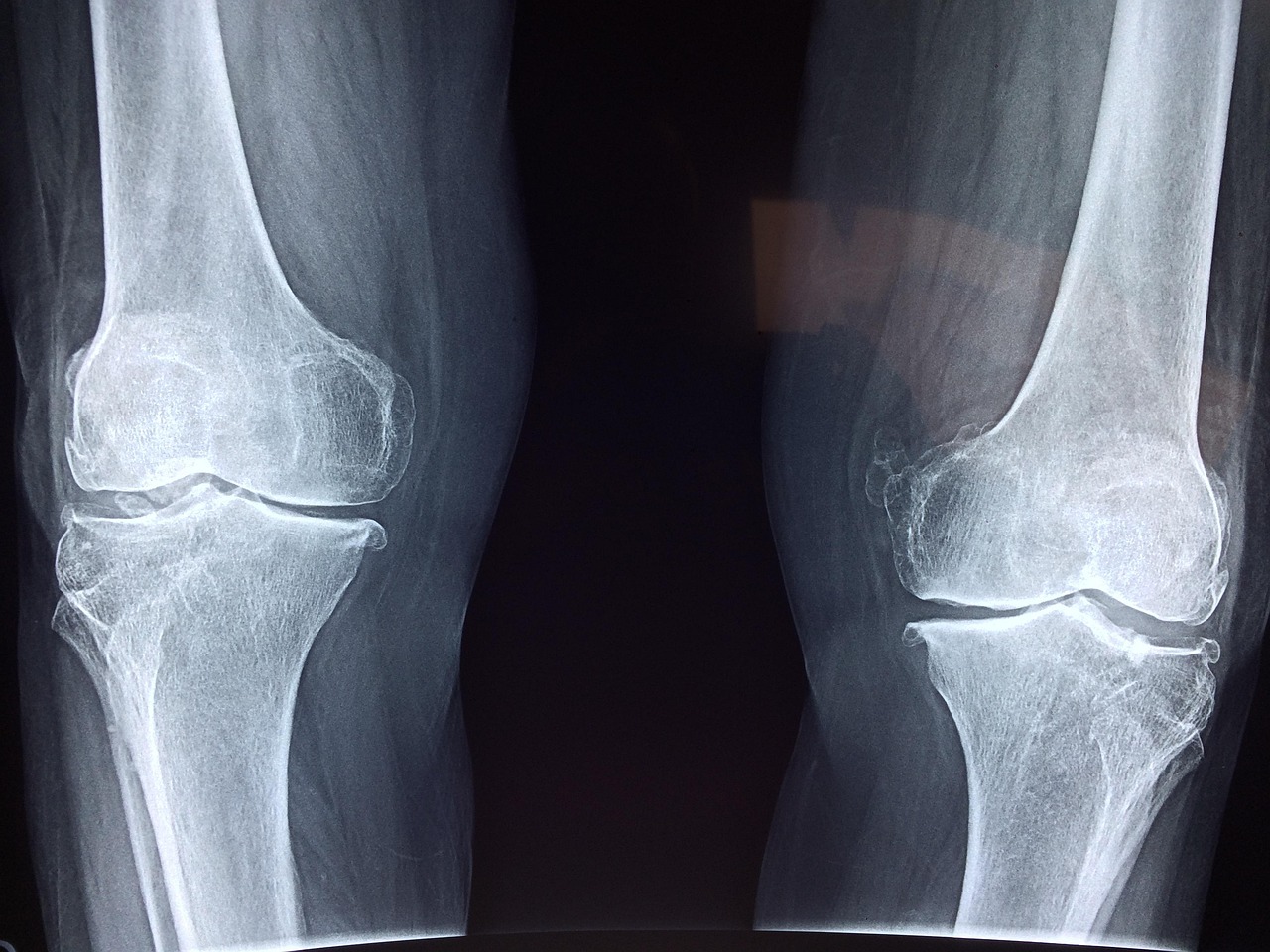
Weekend injuries often land in the same spots. Ankles roll on uneven ground. Knees get sore after hills and stairs. Low backs flare after lifting and twisting. Shoulders get angry after overhead work or a fall. It can also spread. You limp for a few days, then your hip starts aching too.
- Ankle sprain: Swelling and pain after a roll, worse on uneven ground
- Knee pain: Sharp or aching pain on stairs, squats, or step downs
- Low back strain: Pain after lifting, carrying, or twisting tasks
- Shoulder strain: Pain with reaching, pushing, or overhead work
- Tendon flare: Ache that builds during activity and lingers the next day
- Muscle pull: Sudden, sharp pain during a sprint, jump, or fast turn
Why The Pain Keeps Coming Back
Most weekend warriors rest just long enough to feel better. Then they return to the same activity with the same warm-up and the same movement habits. The pain drops for a bit, but the weakness and stiffness never really change. That is why the injury returns faster the next time. PT helps because it builds capacity, not just comfort.
What Sports Medicine PT Does Early On
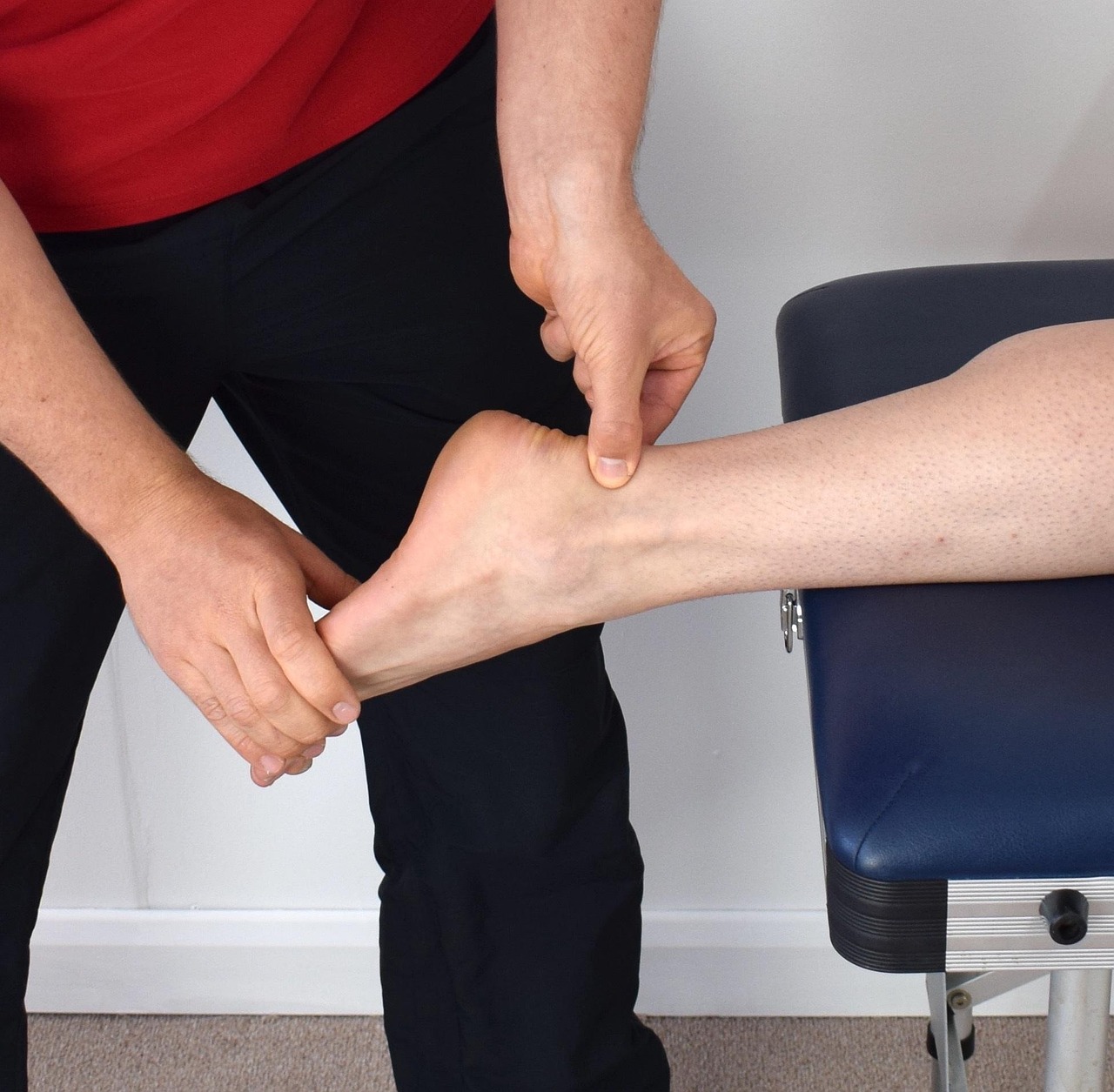
A good first visit should feel practical. Your therapist asks what you were doing when it happened and what hurts now, like stairs, walking, gripping, or reaching. They check motion, strength, balance, and how the joint handles load. They watch you walk and may look at simple moves like a step down or a squat. They also check nearby areas that often feed the problem, like hips that do not support the knee well or ankles that do not bend enough for stairs. Then you leave with clear limits for the week, so you stop testing the injury all day.
Treatment Types That Tend To Work Well
PT usually mixes hands-on care with exercise and form coaching. Each piece has a job. The goal is to get you moving again, then build strength and control so you do not re-injure the same spot.
- Pain and swelling control: Calms the area so you stop guarding
- Mobility work: Restores range so your body stops compensating
- Strength training: Builds support for hips, legs, core, or shoulders
- Balance drills: Improves control for uneven ground and quick steps
- Movement coaching: Fixes lifting form, squat mechanics, and landing habits
- Return plan: Builds back to hikes, sports, or projects in stages
Schedule A Sports Medicine Visit Today
Call or text Modern Physical Therapy & Sports Medicine of Tucson, AZ at (480) 306-6627or fill out the online form to request an appointment. We will help you calm the pain, rebuild strength, and get back to the activities you look forward to.