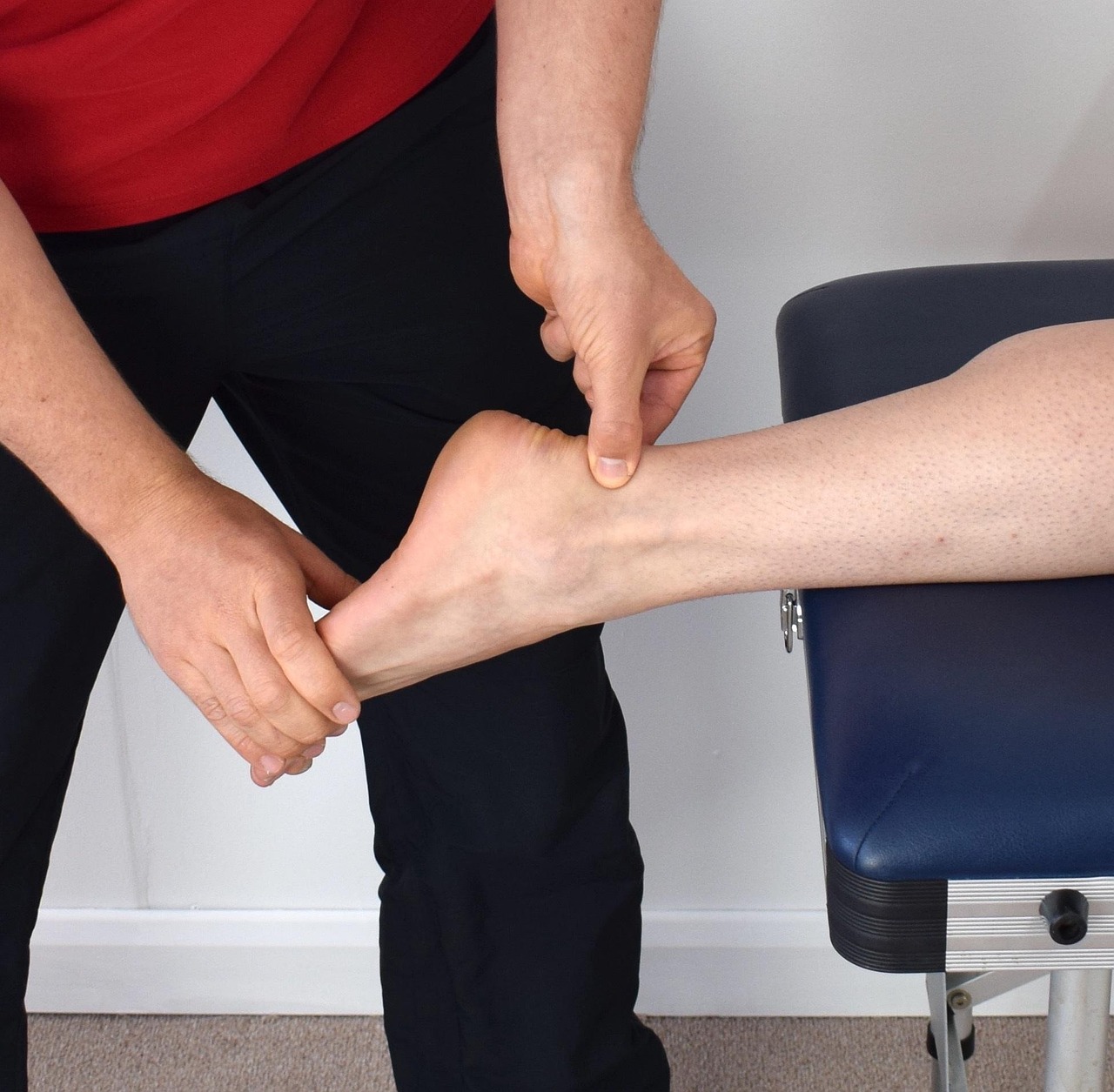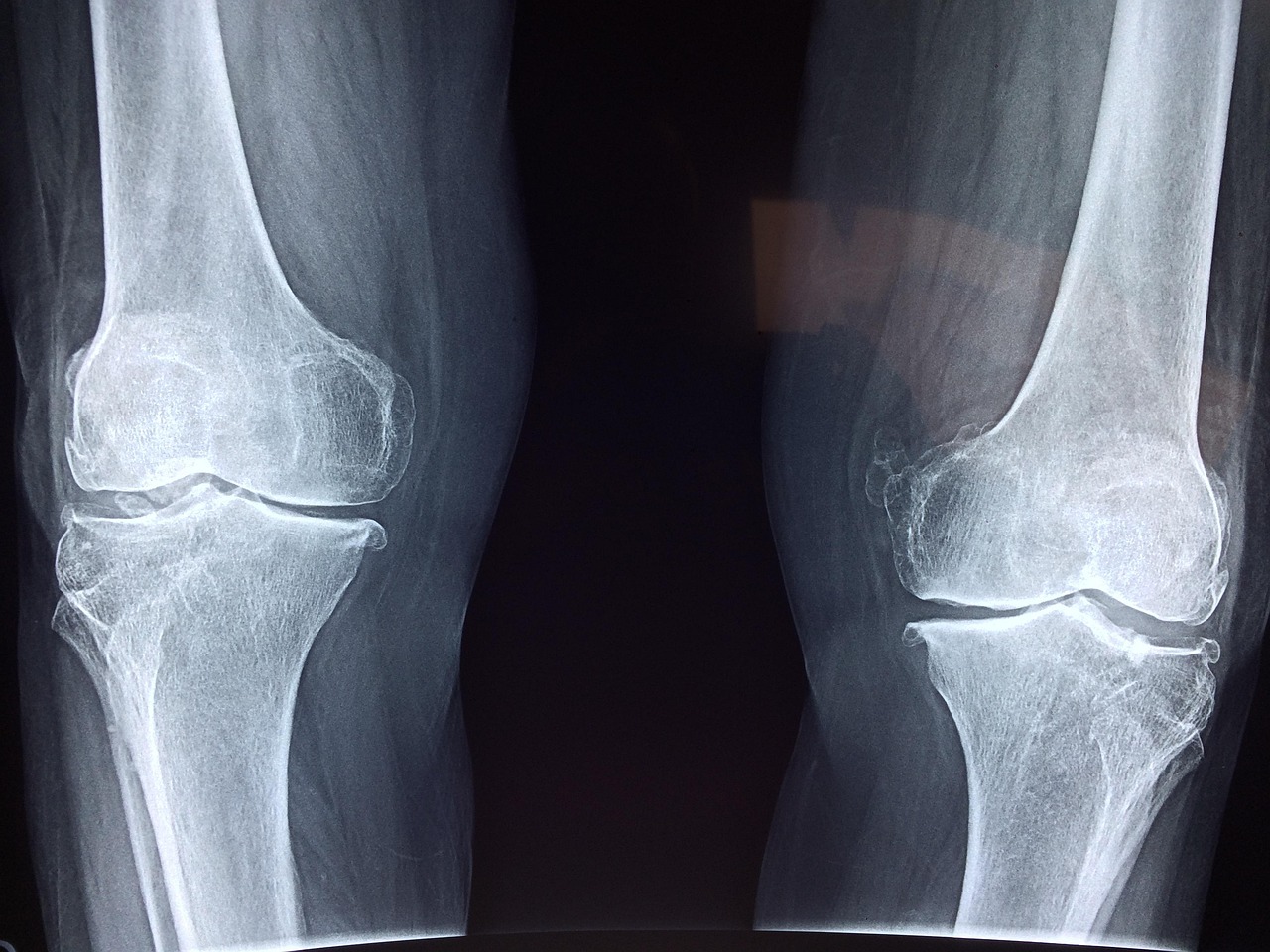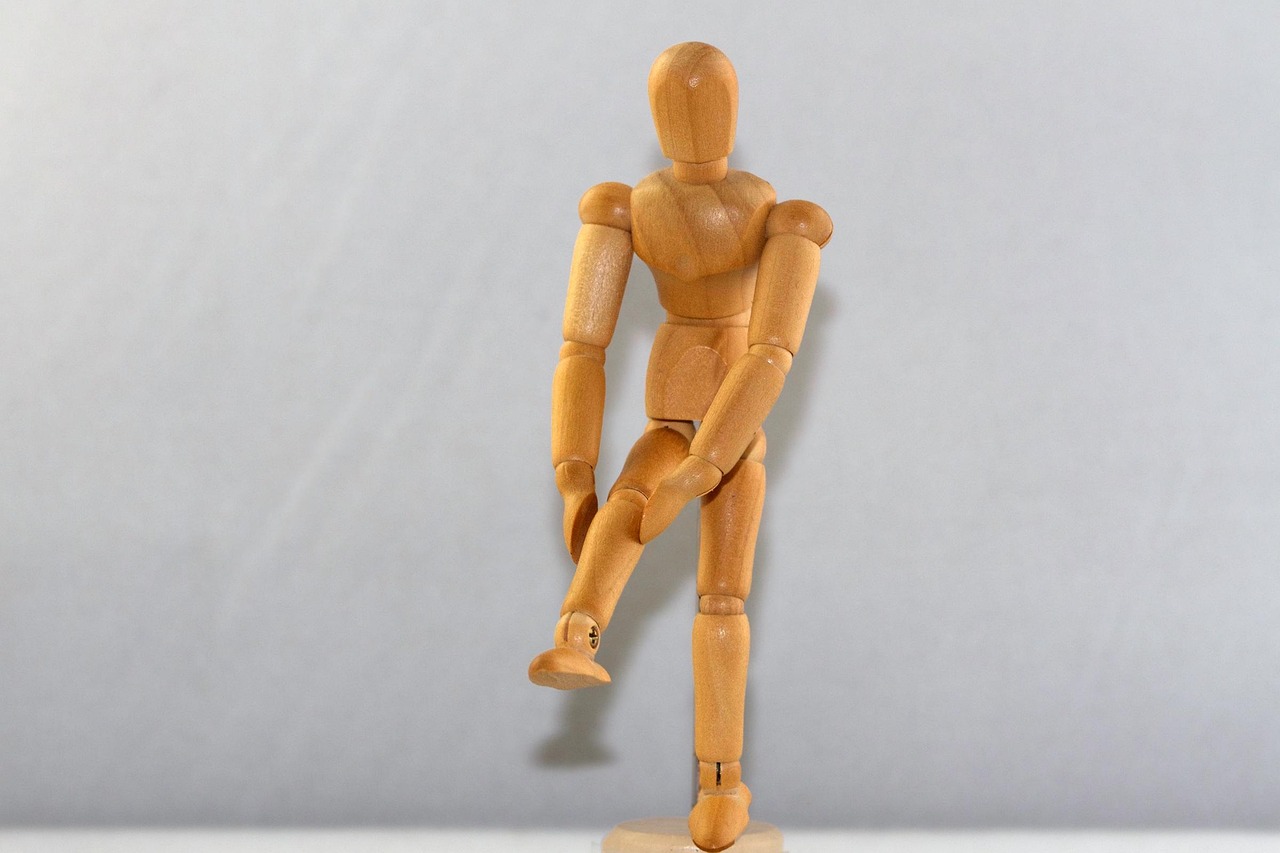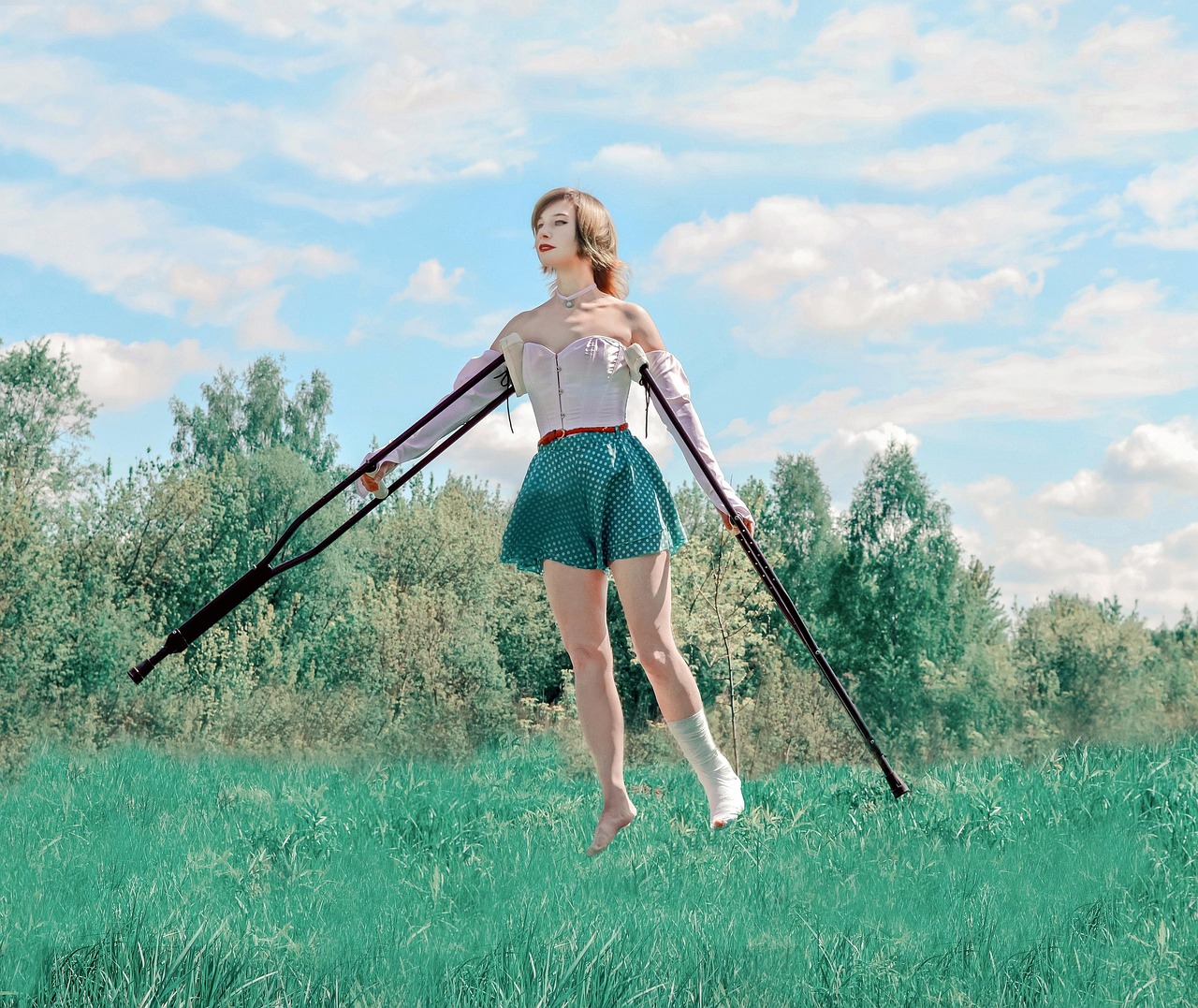
Most people think a fracture is healed when the bone knits back together, and the cast comes off. That's a finish line in their head. Then the cast actually comes off, and the limb underneath is a surprise. Stiff. Weak. Thinner than the other side. Hard to move and strange to use. The bone may be solid, but the area around it has its own recovery to go through, and that part is the work people don't see coming. It's also where a clinic does some of its most useful work.
What Weeks in a Cast Does
A cast does its job by holding everything still while the bone heals. That stillness is exactly what the bone needs. It's also rough on everything else.
Muscles shrink fast when they're not used, so weeks in a cast leave them noticeably weaker and smaller. The joints above and below stiffen from being held in one position. The soft tissue tightens. And the limb forgets some of its coordination, since it hasn't done normal movement in a while. So the moment the cast comes off, you're dealing with a stiff, weak, clumsy limb on top of a freshly healed bone.
Why You Can't Just Resume Normal Use
The temptation is to treat the cast coming off as a green light and go back to using the limb as if nothing happened. That tends to backfire. The freshly healed bone needs to be eased back into loading. The shrunken muscles aren't ready for full demand. The stiff joints don't have their range yet. Push too hard too soon and you risk re-injury or a setback.
At the same time, doing nothing leaves you stiff and weak indefinitely. The limb doesn't just bounce back on its own. It needs guided work to come back, which is the gap a clinic fills.
How a Clinic Rebuilds the Area
Fracture rehab moves through stages, each with its own focus:
- Gently restoring motion to the stiff joints that were locked up by the cast
- Rebuilding the muscle that shrank during immobilization, starting light
- Easing load back onto the healed bone at a pace it can handle
- Retraining coordination and normal movement patterns
- Building back toward the activities and demands of your actual life
The pacing is the whole point. A clinic reads how the bone and tissue are responding and moves you forward at the right speed, fast enough to recover fully, careful enough to avoid a setback.
When It Matters Most
Some fractures, especially around major joints or in the leg you walk on, leave significant stiffness and weakness that really benefit from guided rehab. The same goes for a fracture that's left you unable to do your normal activities, or one where the limb feels notably off after the cast comes off.
If a fracture's healed but the limb still isn't right, Modern Medicine of Tucson, AZ can rebuild the strength and motion the cast took.