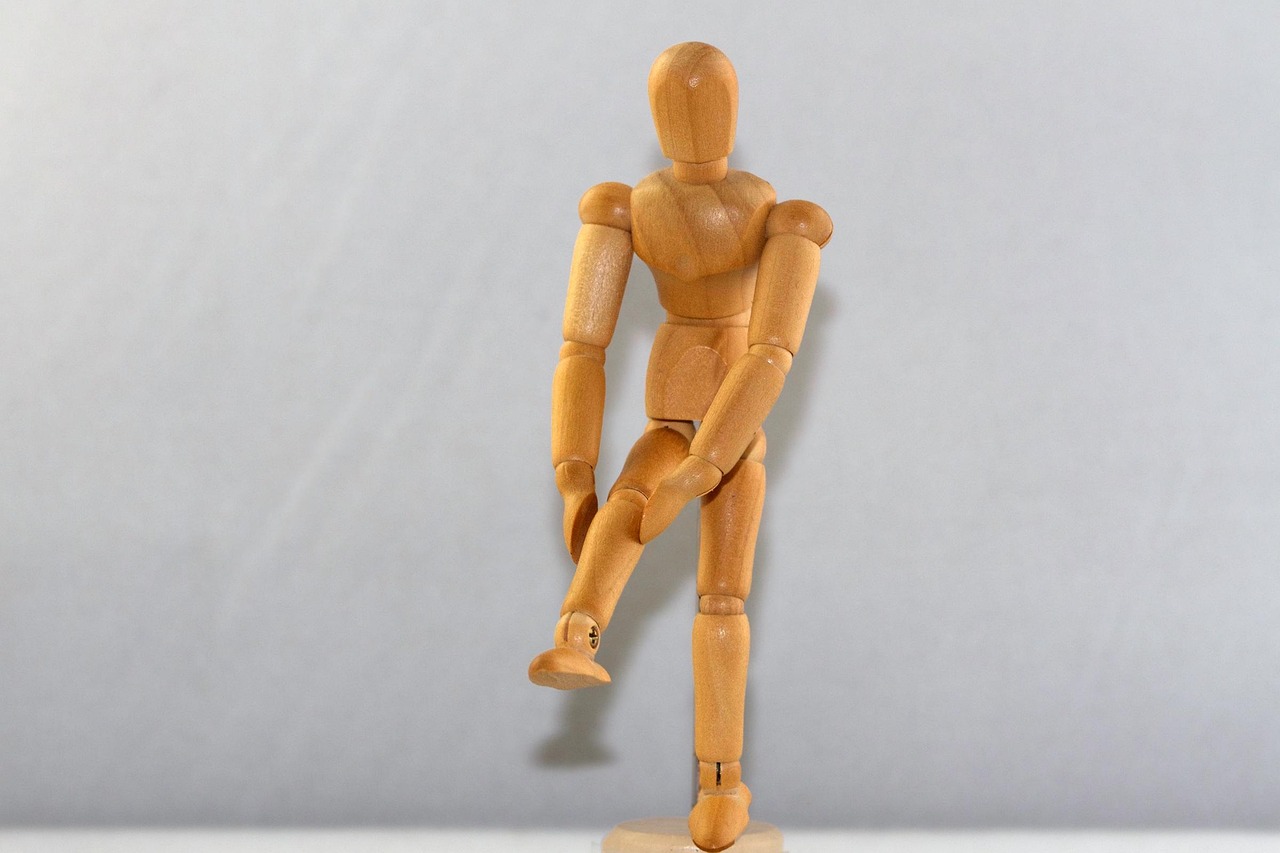
Shoulder stiffness can sneak into daily life one small limitation at a time. Reaching for a seat belt becomes awkward. Putting on a shirt takes planning. Sleep gets interrupted because rolling onto one side hurts. For Oro Valley residents, these changes may point to frozen shoulder, especially when both pain and lost motion continue to worsen over several weeks or months.
Modern Medicine of Tucson, AZ combines physical therapy with non-surgical orthopedic care. We evaluate how your shoulder moves, where discomfort begins, and how the problem affects work, exercise, sleep, and home routines. From there, we build a treatment plan around your symptoms, health history, and current stage of recovery.
What Frozen Shoulder Does to the Joint
Frozen shoulder, also called adhesive capsulitis, develops when the connective tissue around the shoulder joint becomes thick and tight. This limits space inside the joint and makes movement painful. Both active motion, where you move the arm yourself, and passive motion, where someone else guides it, may become restricted.
The condition often progresses through three general stages. During the freezing stage, pain increases and motion starts to decline. The frozen stage may bring less pain but greater stiffness. During the thawing stage, movement gradually begins to return. Recovery can take time, which makes a clear plan and steady follow-through important.
Why an Accurate Evaluation Matters
A stiff, painful shoulder may also come from arthritis, a rotator cuff problem, bursitis, or another injury. We review how symptoms began, which directions feel limited, and whether weakness, swelling, numbness, or a recent injury is involved.
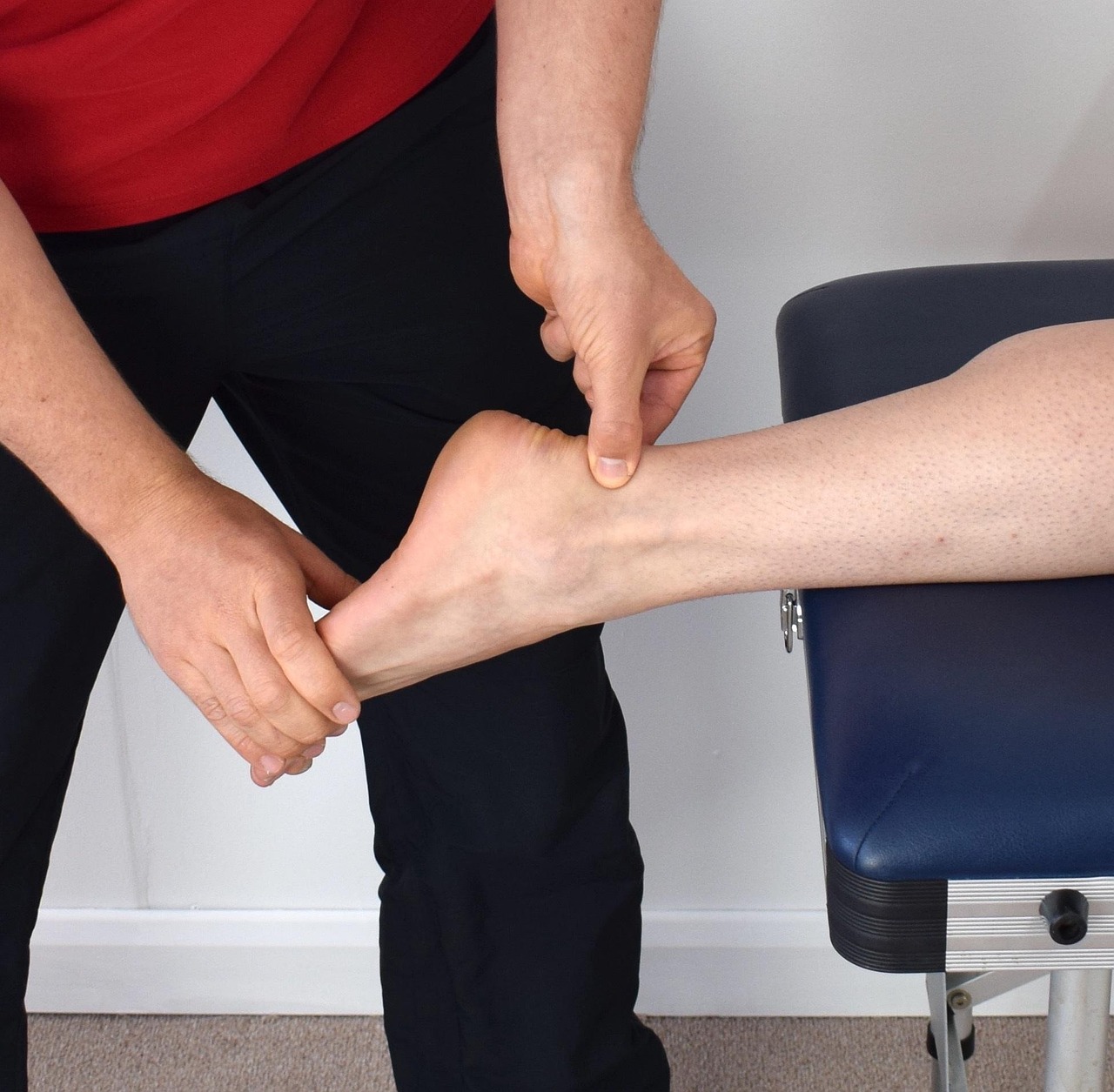
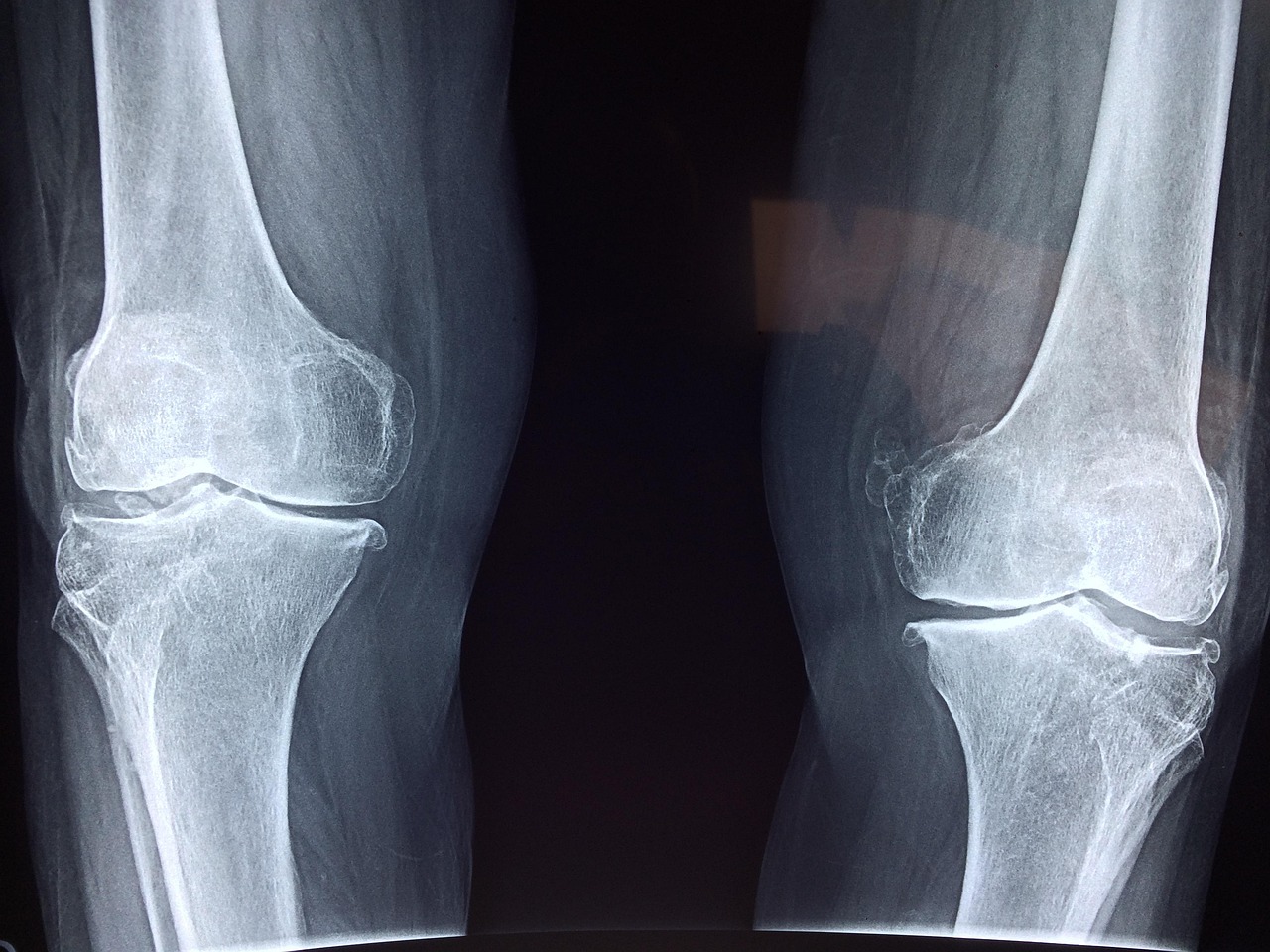
The examination may include range-of-motion testing, strength checks, posture, shoulder blade movement, and hands-on assessment. Imaging may be recommended when we need to rule out another cause or clarify the next treatment step.
Physical Therapy for Mobility and Function
Physical therapy is often central to frozen shoulder treatment. Early care may focus on pain control and gentle movement without forcing the joint. As symptoms change, treatment may include stretching, joint mobilization, shoulder blade control, posture work, and gradual strengthening.
More aggressive exercise is not always better. Pushing too hard during a painful stage may irritate the shoulder and make therapy harder to tolerate. We adjust the intensity based on your response and teach home exercises designed to support progress between visits.
Non-Surgical Orthopedic Options
Some patients need additional help managing pain before they can participate comfortably in therapy. A medical provider may discuss anti-inflammatory medication or a corticosteroid injection when appropriate. An injection may reduce pain and improve motion, especially during an earlier, more painful stage.
Hydrodilatation may also be considered in selected cases. This procedure places fluid into the shoulder joint to stretch the tightened capsule. These options do not replace rehabilitation. Instead, they may create a better opportunity for movement work and daily activity.
Surgery is rarely the first choice. It may be discussed when severe stiffness continues despite a well-followed non-surgical plan.
Schedule a Shoulder Evaluation Near Oro Valley
Frozen shoulder rarely improves overnight, but the right care plan can make recovery more manageable. If shoulder pain and stiffness are limiting dressing, reaching, sleep, driving, or recreation, we will help you understand your options and take the next practical step.
Call Modern Medicine of Tucson, AZ to schedule a consultation.
Phone: (480) 306-6627
Email: sc********@***************ne.com
Address: 6606 E Carondelet Dr, Tucson, AZ 85710