Heel pain can bring a running routine to a halt fast. The first few steps in the morning may sting, a warm-up may feel stiff, and soreness may return after a run or a long day on your feet. For Tucson runners, plantar fasciitis often becomes more frustrating when mileage, hills, speed work, worn shoes, or limited recovery keep adding stress to the same tissue.
Modern Medicine of Tucson, AZ combines physical therapy with non-surgical orthopedic care. We look beyond the sore spot and evaluate how your foot, ankle, calf, knee, hip, footwear, and training habits work together. The goal is to reduce pain while helping you return to activity with a plan your body can handle.
Why Plantar Fasciitis Hurts Runners
The plantar fascia is a strong band of tissue along the bottom of the foot. It supports the arch and absorbs load during walking and running. Repeated strain may irritate the tissue near the heel, leading to sharp or aching pain.
Common signs include pain near the bottom of the heel, stiffness after rest, and discomfort after exercise. Tight calf muscles, sudden mileage increases, repeated impact, foot structure, and long periods on hard surfaces may all contribute. A runner may also change stride or push off differently to avoid pain, which can create trouble farther up the leg.
A Careful Evaluation Comes First
Heel pain is not always plantar fasciitis. Stress fractures, nerve irritation, Achilles problems, and heel-pad injuries may produce similar symptoms. We begin by asking when the pain started, where it appears, how training changed, and what makes symptoms better or worse.
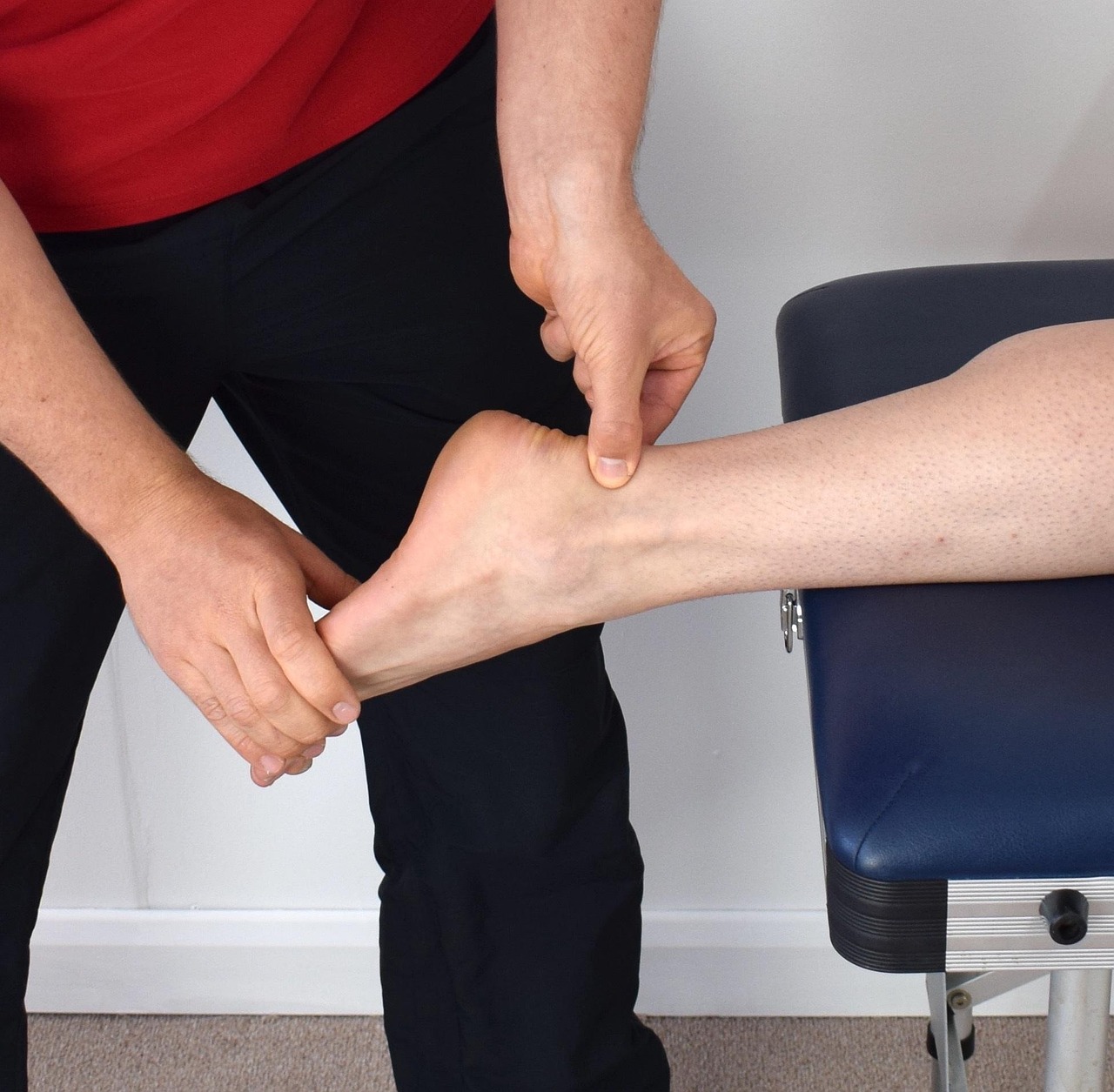
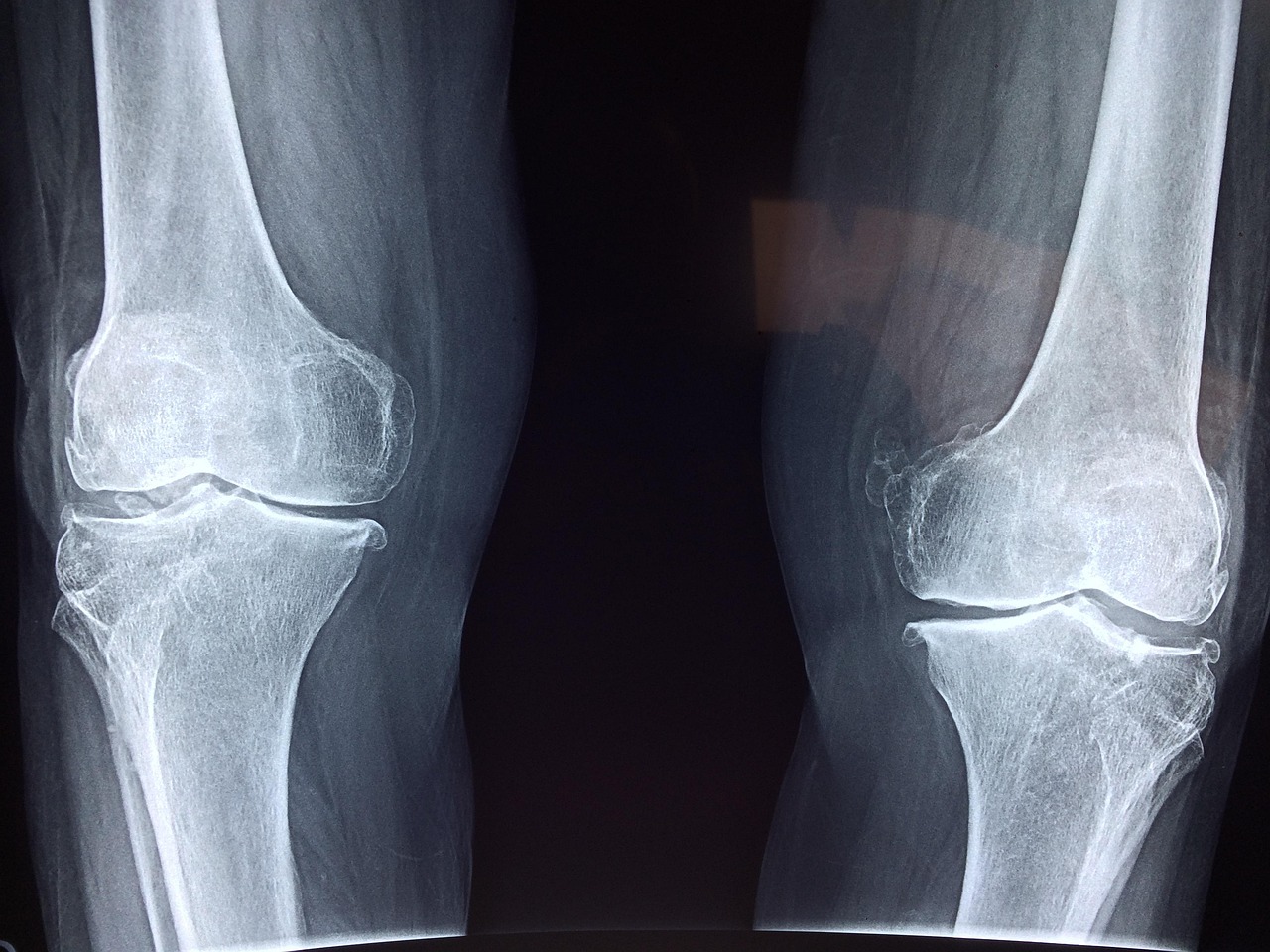
We also assess ankle motion, calf flexibility, foot strength, balance, walking, and running mechanics when appropriate. Advanced imaging may help when the examination leaves questions or another injury needs to be ruled out.
Building a Non-Surgical Treatment Plan
Most plantar fasciitis care begins without surgery. Physical therapy may include calf and plantar fascia stretching, foot and ankle strengthening, manual treatment, balance work, and gradual loading. These steps help the foot tolerate pressure instead of relying on rest alone.
Temporary training changes often matter too. We may recommend reducing mileage, limiting hills or speed sessions, choosing lower-impact conditioning, or adding recovery days. Supportive shoes, inserts, taping, night splints, and ice may also fit the plan based on your symptoms.
Medication or targeted injections may be discussed when pain remains difficult to manage. Those decisions require care because injections are not appropriate for every runner and do not replace the work needed to improve strength, mobility, and training habits.
Returning to Running Without Guesswork
Feeling better during one run does not always mean the tissue is ready for normal mileage. We use symptoms, strength, walking tolerance, and response to loading to guide the return. A gradual plan may begin with walk-run intervals before increasing distance or intensity.
We also help runners review warm-ups, recovery, footwear, and weekly training changes. Small adjustments often make the difference between steady progress and another flare-up.
Schedule a Heel Pain Evaluation in Tucson
If heel pain keeps interrupting your runs or daily movement, we will help identify the likely cause and build a practical recovery plan. Call Modern Medicine of Tucson, AZ to schedule a consultation.
Phone: (480) 306-6627
Email: sc********@***************ne.com
Address: 6606 E Carondelet Dr, Tucson, AZ 85710