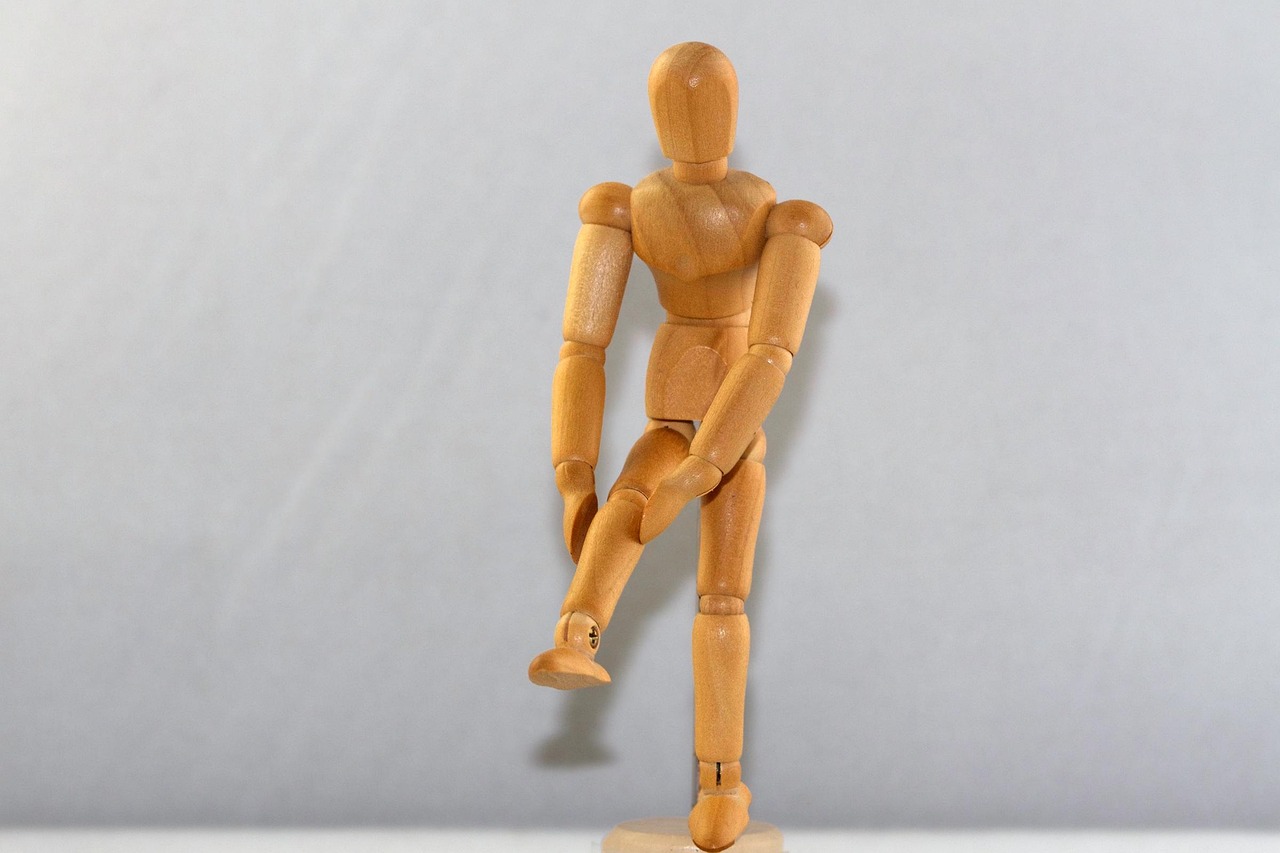
Knee pain from a meniscus tear can change how you walk, climb stairs, exercise, work, or even get out of a chair. Some tears happen during a sudden twist. Others develop gradually as the cartilage changes with age and repeated use. Either way, surgery is not always the first step.
Modern Medicine of Tucson, AZ combines physical therapy with non-surgical orthopedic care to help patients understand what is driving their knee pain. We begin with a careful evaluation, then build a plan around the type of tear, symptom pattern, activity level, and personal goals.
What a Meniscus Tear May Feel Like
Each knee has two menisci, which are curved pieces of cartilage between the thighbone and shinbone. They help absorb force and support smooth movement. When one tears, symptoms may include pain along the joint line, swelling, stiffness, clicking, catching, or difficulty straightening the knee.
Symptoms do not always appear immediately. A person may finish a workout, hike, or workday before swelling and soreness set in. Degenerative tears may develop without one clear injury and often overlap with arthritis or general knee wear.
Why Evaluation Comes First
Not every painful knee has the same problem. Meniscus symptoms may resemble ligament irritation, arthritis, tendon pain, or kneecap issues. We review how the problem started, where pain occurs, what movements trigger it, and whether the knee feels unstable or locked.
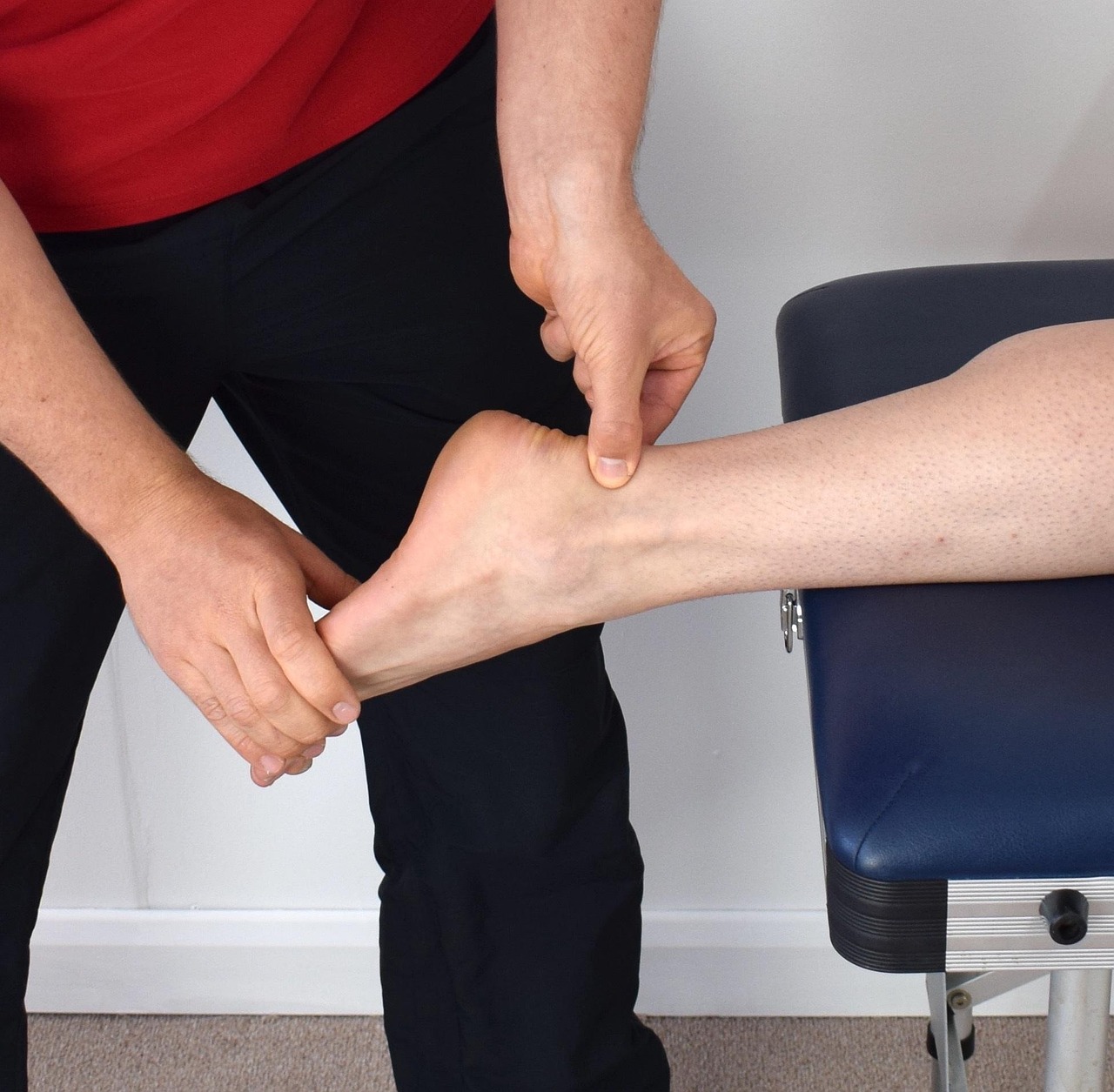
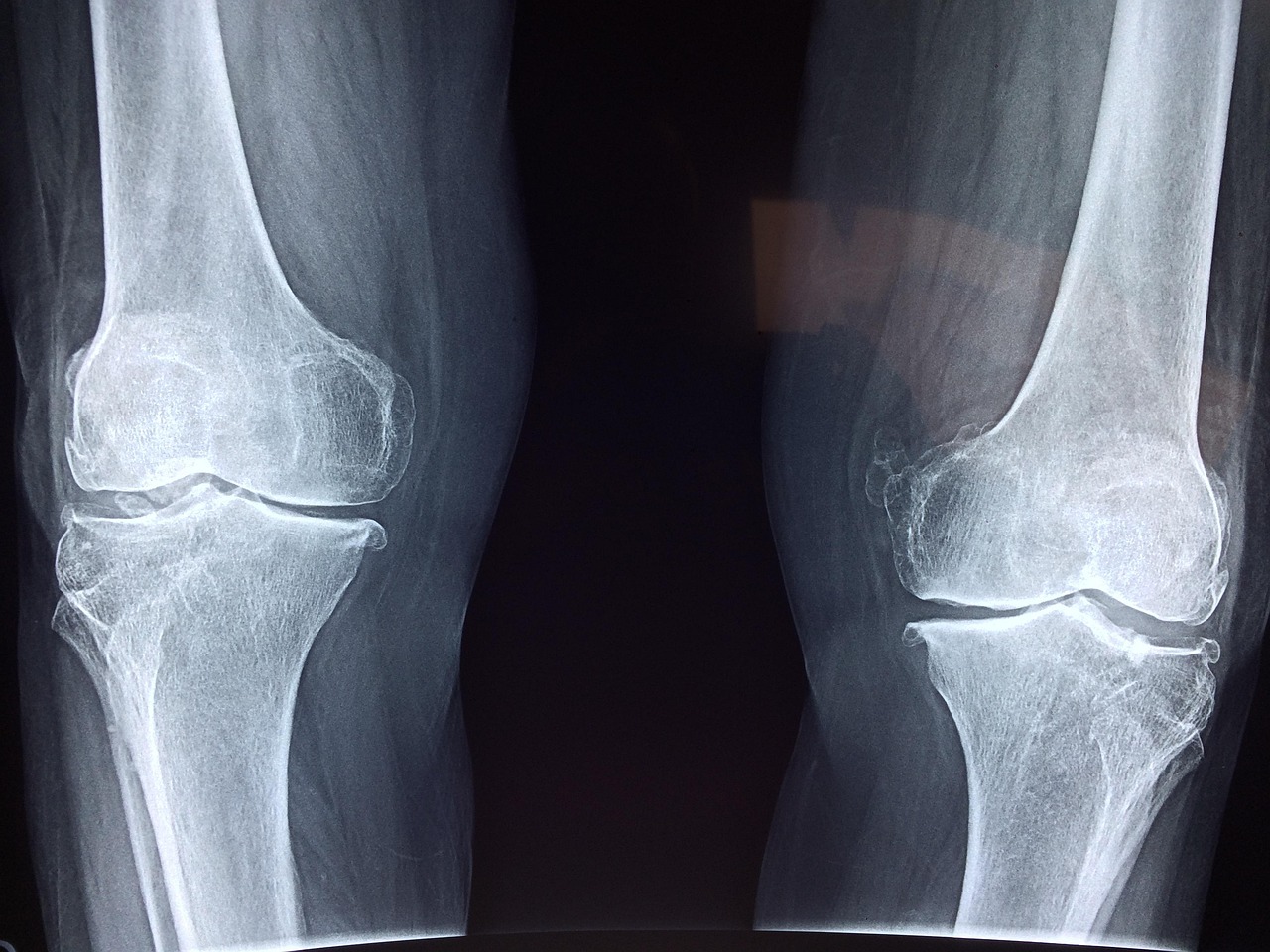
A movement exam may include walking, squatting, bending, strength testing, range-of-motion testing, and joint testing. Imaging may be considered when the findings or treatment decisions call for a closer look. This process helps us avoid a one-size-fits-all plan.
Physical Therapy for Strength and Motion
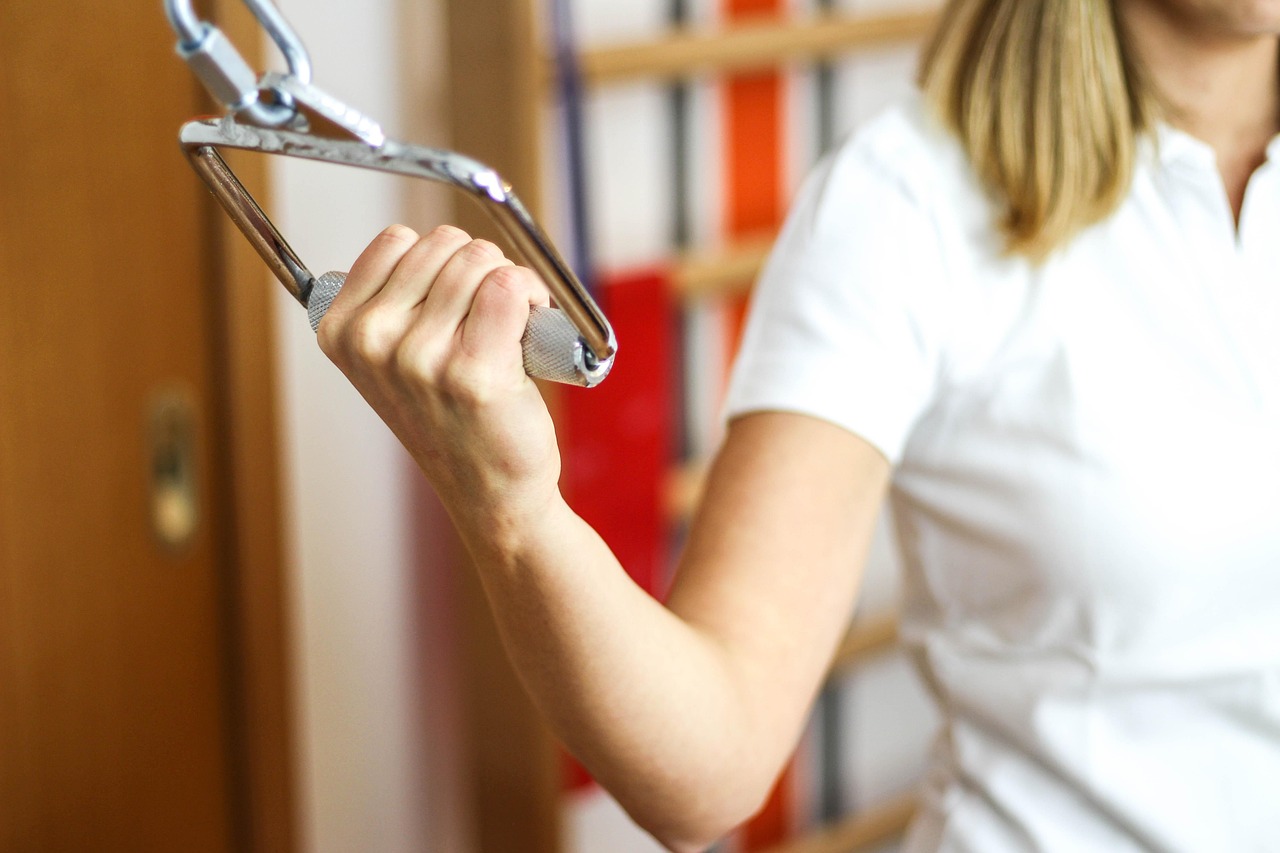
Physical therapy is often a central part of non-surgical meniscus care. Treatment may focus on reducing irritation, restoring knee motion, and strengthening the muscles around the hip, thigh, and lower leg. Better strength and control can reduce stress on the knee during daily activity.
We may also work on balance, walking mechanics, flexibility, and movement habits. Home exercises give patients a practical way to keep making progress between visits. The program changes as pain settles and function improves.
Other Non-Surgical Treatment Options
Activity changes may help protect the knee while it calms down. This does not always mean complete rest. It may mean temporarily adjusting deep squats, pivoting, running, or high-impact exercise while keeping the body moving safely.
A medical provider may also discuss pain-relief medication or targeted injections when appropriate. These options may reduce symptoms enough for a patient to participate more comfortably in rehabilitation. They do not repair every tear, so we pair symptom management with work aimed at strength and function.
When Surgery May Still Be Discussed
Some tears need an orthopedic surgical opinion, especially when the knee remains locked, symptoms do not improve, or the tear has features less likely to respond to conservative care. New weakness, major swelling after injury, or an inability to bear weight also deserves prompt evaluation.
Our role is to help patients understand their options and move through care in the right order. Starting non-surgically may provide meaningful improvement while preserving surgery as an option when needed.
Schedule a Knee Evaluation in Tucson
If knee pain is limiting work, exercise, sleep, or everyday movement, a meniscus evaluation may help clarify the next step. We will review your symptoms and build a practical plan around recovery, mobility, and long-term function.
Call Modern Medicine of Tucson, AZ to schedule a consultation.
Phone: (480) 306-6627
Email: sc********@***************ne.com
Address: 6606 E Carondelet Dr, Tucson, AZ 85710