Here's a riddle that keeps people in chronic pain longer than they should be. You've got a headache, but the cause is a knot in your shoulder. Your hip aches, but the trouble is in your lower back. The spot that hurts and the thing causing it sit in two different places. So you spend months treating the wrong location, and nothing works, because you're not actually touching the source. This is one of the sneakiest things about muscle pain, and it's exactly what dry needling is built to sort out.
How a Knot Sends Pain Somewhere Else
When a muscle develops a trigger point, one of those tight, stuck knots, it doesn't just hurt locally but refers pain. It sends the ache to a predictable spot away from itself, following patterns that are surprisingly consistent from person to person.
A knot in the upper trap throws pain up the side of the neck and into the head. One in the glute sends it down the back of the leg, mimicking sciatica. A spot in the shoulder blade sends pain down the arm. The knot stays quiet and tender where it sits, while the pain shows up somewhere you'd never think to look.
Why It Fools People for Years
The trouble is obvious once you see it. You feel pain in your forearm, so you treat your forearm. You rub it, brace it, rest it. But the knot driving it is up in your shoulder, completely untouched. So the relief never comes, and you start to think the pain is just permanent.
Even careful self-treatment runs into this wall. You can't fix a referred-pain problem by working the spot that hurts, because that spot isn't broken. The source is elsewhere, and finding it takes knowing the patterns.
How Dry Needling Tracks the Source
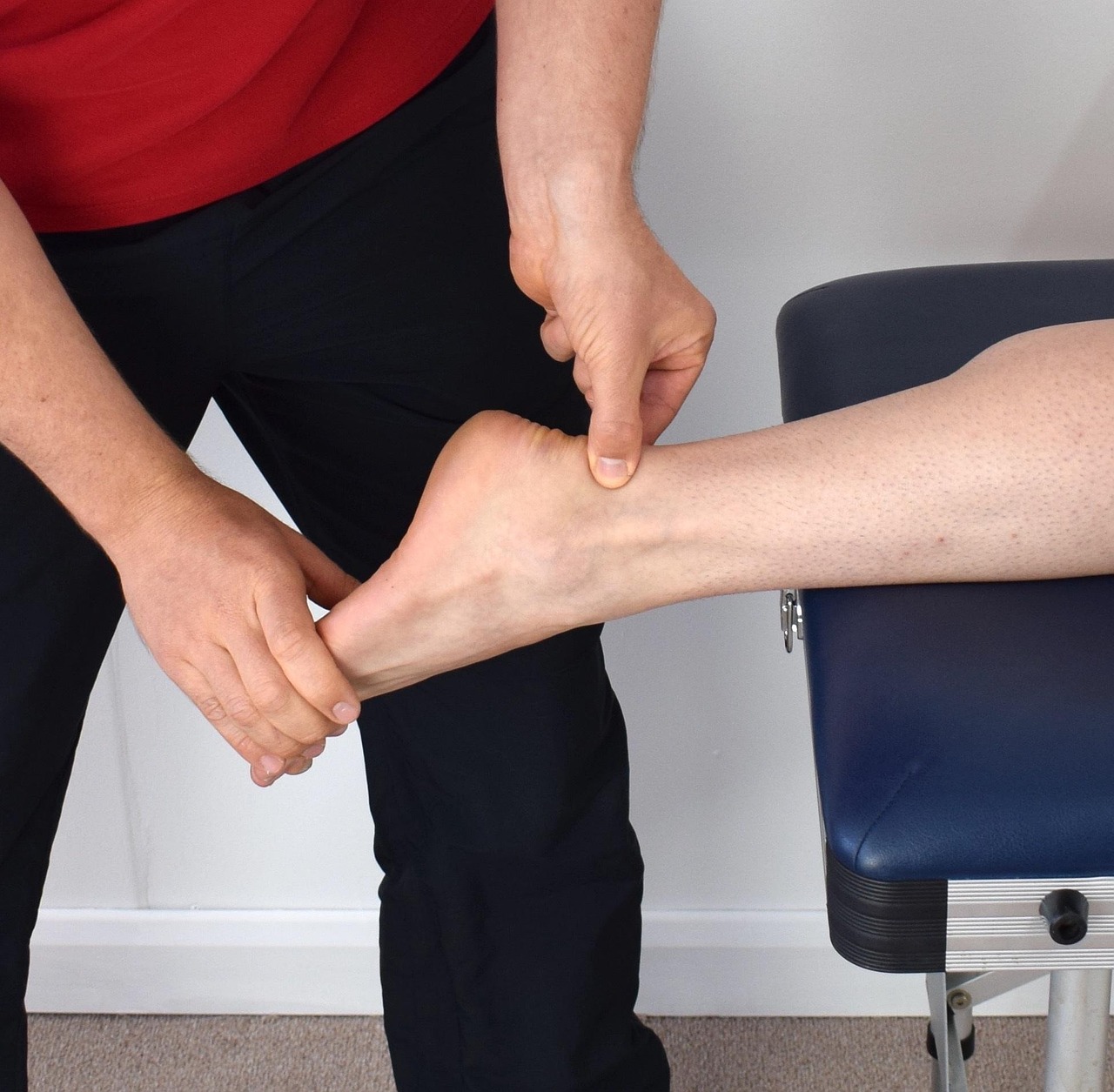
This is where the treatment earns its keep. A therapist trained in these referral patterns works backward from where you hurt to where the knot actually is. Forearm pain points to the shoulder. A headache sends them hunting in the neck and upper traps. They press on the suspected knot, and if it reproduces your familiar pain, they've found it.
Then the needle goes in. A thin needle straight into the knot, reaching it at a depth that surface treatment can't. The muscle twitches, the knot releases, and the pain it was referring to that far-off spot tends to fade with it. Treating the actual source is what finally moves the pain that's ignored by everything else.
The Pain It Helps
This works for muscle pain driven by trigger points and their referral:
- Headaches that trace back to knots in the neck and shoulders
- Arm or forearm pain coming from the shoulder or upper back
- Leg pain that mimics sciatica but starts in the glute or hip
- Lower back pain feeding off knots elsewhere in the area
It won't touch arthritis, a structural tear, or true nerve pain, which is why the evaluation comes first to map what's really going on.
When to Look Into Care
Worth asking about when pain's lived in the same spot for weeks, when treating where it hurts has gotten you nowhere, or when it loosens with massage, then comes right back.
If chronic pain has had you chasing the wrong spot, Modern Medicine of Tucson, AZ, can track down where it's really coming from and whether dry needling would help. Give us a call to get started.