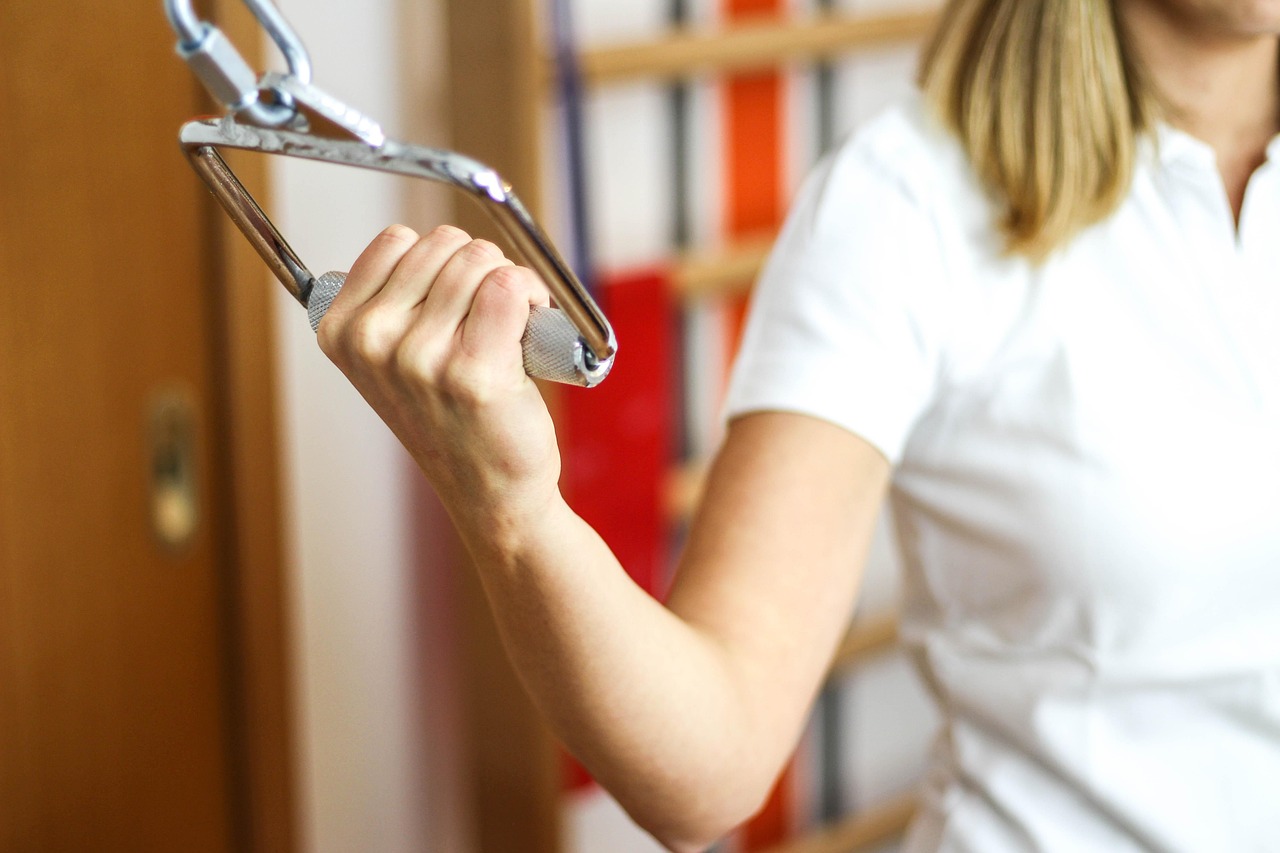
When you come in with shoulder pain, we start with what you can and can’t do right now. Can you reach overhead without that sharp catch? Can you get your arm behind your back? Can you sleep without waking up on the sore side? Those answers guide the plan. In most cases, the shoulder hurts because the joint gets stiff, the rotator cuff gets irritated, or the shoulder blade stops moving well with the arm. We work on calming the irritated area, then we retrain how the shoulder moves so you stop “pinching” it every time you reach. We also look at the neck and upper back when pain runs down the arm or the shoulder feels weak for no clear reason.
What Therapy Can Change Before Surgery Is Even A Topic
A lot of patients come in worried they will need an operation because the pain has lasted months. Many do not. Once we get motion back and build support, the shoulder often stops barking during normal tasks. You might still feel soreness during the process, but it should be the “worked” kind, not the “I just made it worse” kind.
Here’s what we commonly aim to improve first:
- Range of motion so the shoulder stops feeling stuck
- Rotator cuff strength so the arm feels supported
- Shoulder blade control so reaching feels smoother
- Upper back mobility so the shoulder has room to move
- Lifting and reaching habits that keep flaring the pain
- A home plan you can actually keep up with
Why PT Is Usually The Better First Step
Surgery is a big decision. Therapy lets you test what improves with the right work and what does not. It also helps you avoid the trap of resting too long. People rest, the shoulder stiffens, then every attempt to get active hurts more. That cycle makes surgery feel like the only option, even when it isn’t. Another thing we see in Tucson is scan anxiety. An MRI may show “wear and tear” changes that sound scary. Many of those findings show up in people who have no pain at all. We care more about your function, your strength, and whether your symptoms respond to treatment.
When Surgery Might Actually Make Sense
There are cases where surgery moves up the list. If you had a fall and suddenly can’t lift your arm, that’s different. If the shoulder keeps dislocating, that’s different. If you have a full-thickness tear with real weakness and you are not improving, that’s also different. Surgery can also be reasonable when you complete a solid course of PT, you follow the plan, and you still can’t do the things you need for work or life. Even then, PT helps. Stronger muscles and better motion going into surgery usually make the rehab on the back end less rough.
Get Help with Shoulder Pain Today
If your shoulder pain is limiting sleep, work, or basic tasks, start with the option that gives you information and control. Schedule an evaluation with Modern Physical Therapy & Sports Medicine of Tucson, AZ, and let’s see what improves with a focused PT plan before you assume surgery is the answer.