You're standing at the parts counter with your Toyota Camry outside, about to buy the second battery this year for the same car. The first one tested fine when you installed it, then it drained again a few weeks later, so a bad battery looks like the obvious answer. At Precision Auto Care in San Leandro, we see this exact pattern often, and a fresh battery draining twice usually points somewhere other than the battery. The part that keeps a battery charged while you drive is the alternator, and when it weakens, no new battery holds its charge for long.
Why a New Battery Keeps Draining
A car battery stores charge, and the charging system puts that charge back while the engine runs. That charging system is the alternator and the belt that spins it, working together to keep the battery topped up as you drive. A healthy battery can lose its charge once from age or a dome light left on overnight, and a replacement settles it. A fresh battery that drains a second time within a few weeks is a different signal, because the new part still ends up empty even though it holds a charge fine. At that point the useful question is what keeps draining a battery that is only weeks old.
The Cluster We Read Before Naming a Part
One symptom on its own rarely settles the question, but the cluster of them usually does. As the alternator weakens, several of these signs tend to arrive together. Most owners notice the headlights and dash lights dimming or flickering at idle, along with a battery-shaped warning light on the cluster. Around the same time, a whine builds from the front of the engine as the belt drives a worn bearing, rising and falling with engine speed. Any one of those can come from something else, like a loose battery terminal or a cold morning, so no single clue confirms the charging system on its own. The pair that most makes us suspect the charging system is the whine together with a battery that drains again within weeks of a replacement, and the output test settles which one it is.
How We Test the Charging System
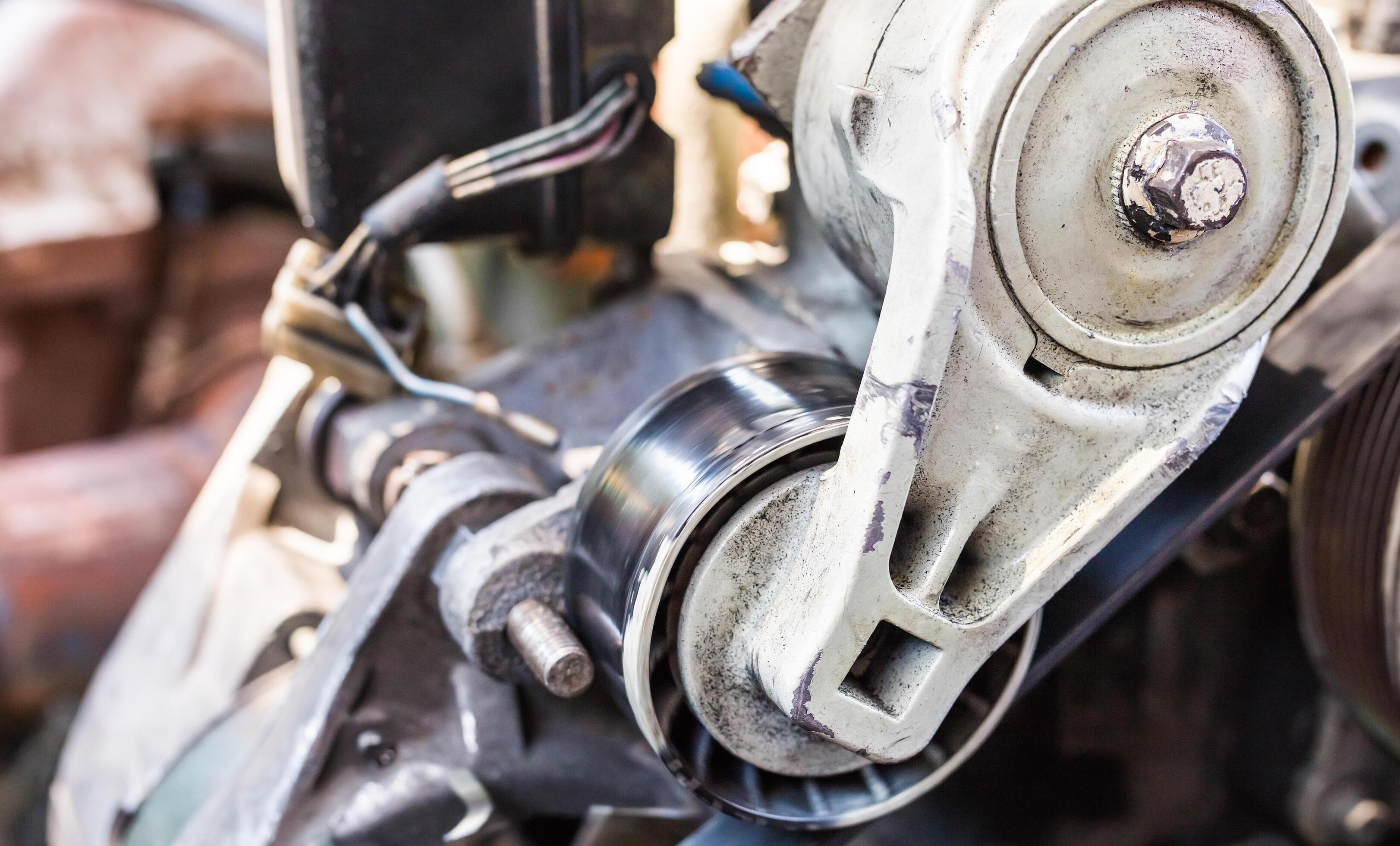
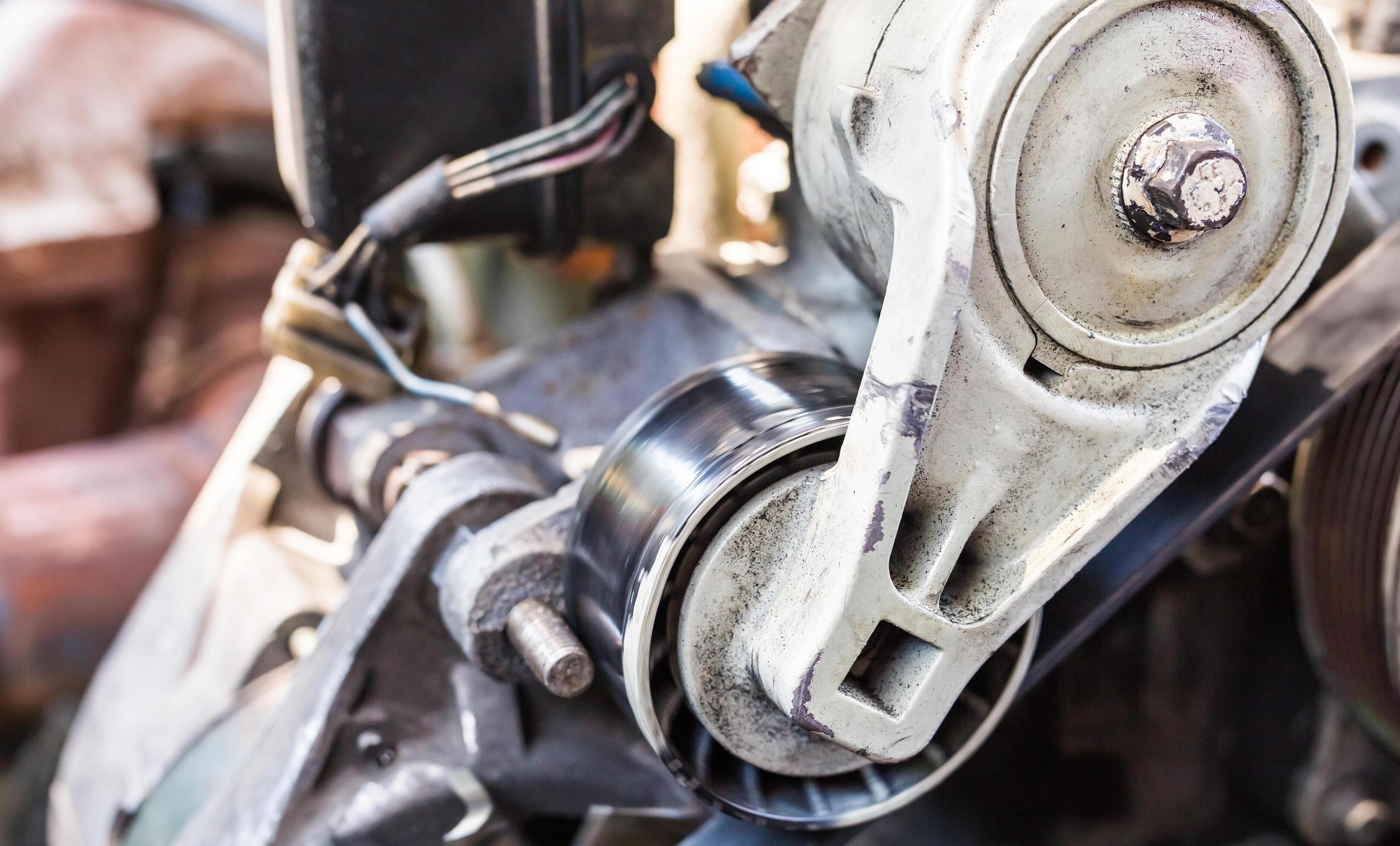
On a gasoline Camry with a belt-driven alternator, this is the point where the two paths separate. A charging system in good shape holds a steady output while the engine runs, keeping the battery full and feeding the lights, the computer, and everything else that draws power. As the alternator wears, its output starts to sag, and the place you notice it first is usually a stoplight with the headlights and blower running, when demand is highest and the alternator is turning slowest. The battery then covers more of the load than it should and slowly runs down, until it will not start the car and looks like the dead battery you keep chasing.
We measure the charging system's output under load first, because that one reading is what separates the two causes. A strong reading with a tired battery points toward a straightforward battery replacement, while a weak reading points toward an alternator that is no longer charging the battery fully. Measuring the output first is what tells you whether a new battery will hold or whether the alternator is the repair that ends it. If a fresh battery keeps draining in your Camry, or the cluster shows up, call Precision Auto Care in San Leandro at (510) 351-8211 to schedule the charging-system test before you buy another battery.