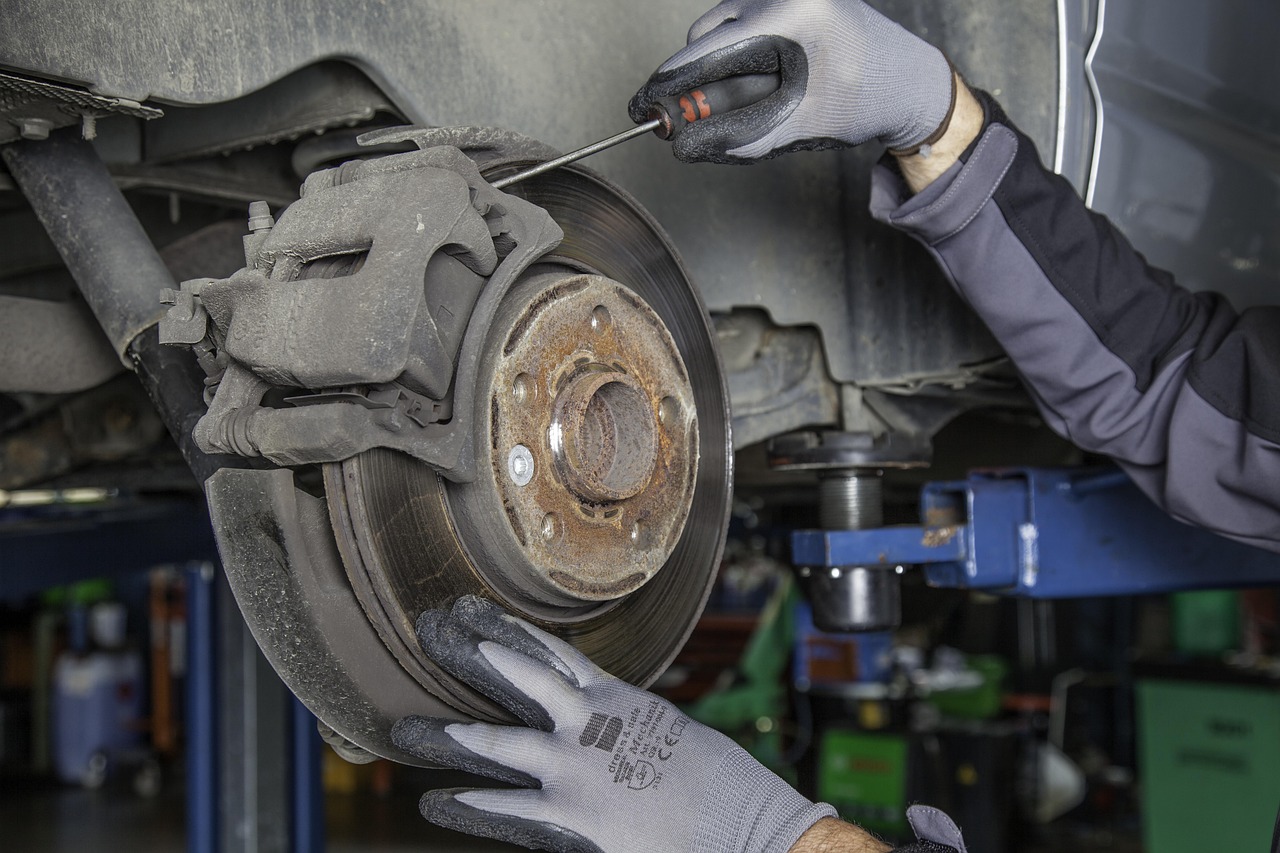
A sharp squeal follows your Passat through the last few feet of a stop. A recurring noise like that needs a brake inspection. Grinding or reduced stopping ability needs a more urgent response. At Precision Auto Care in San Leandro, we provide Volkswagen brake service for San Lorenzo drivers. We inspect the pads and rotors together, including the calipers and hardware that keep the pads moving freely.
The Pad Behind The Disc Can Wear Faster
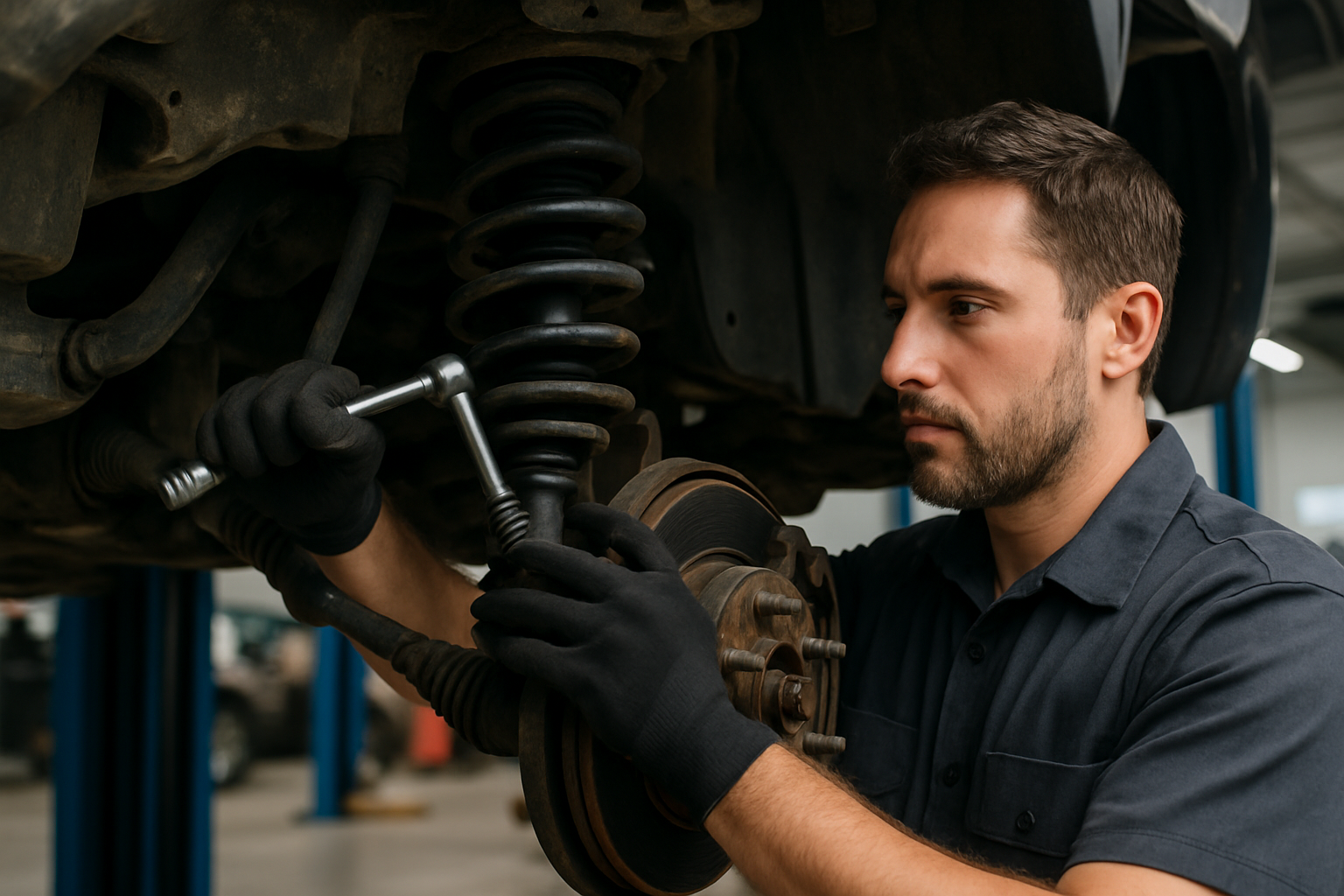
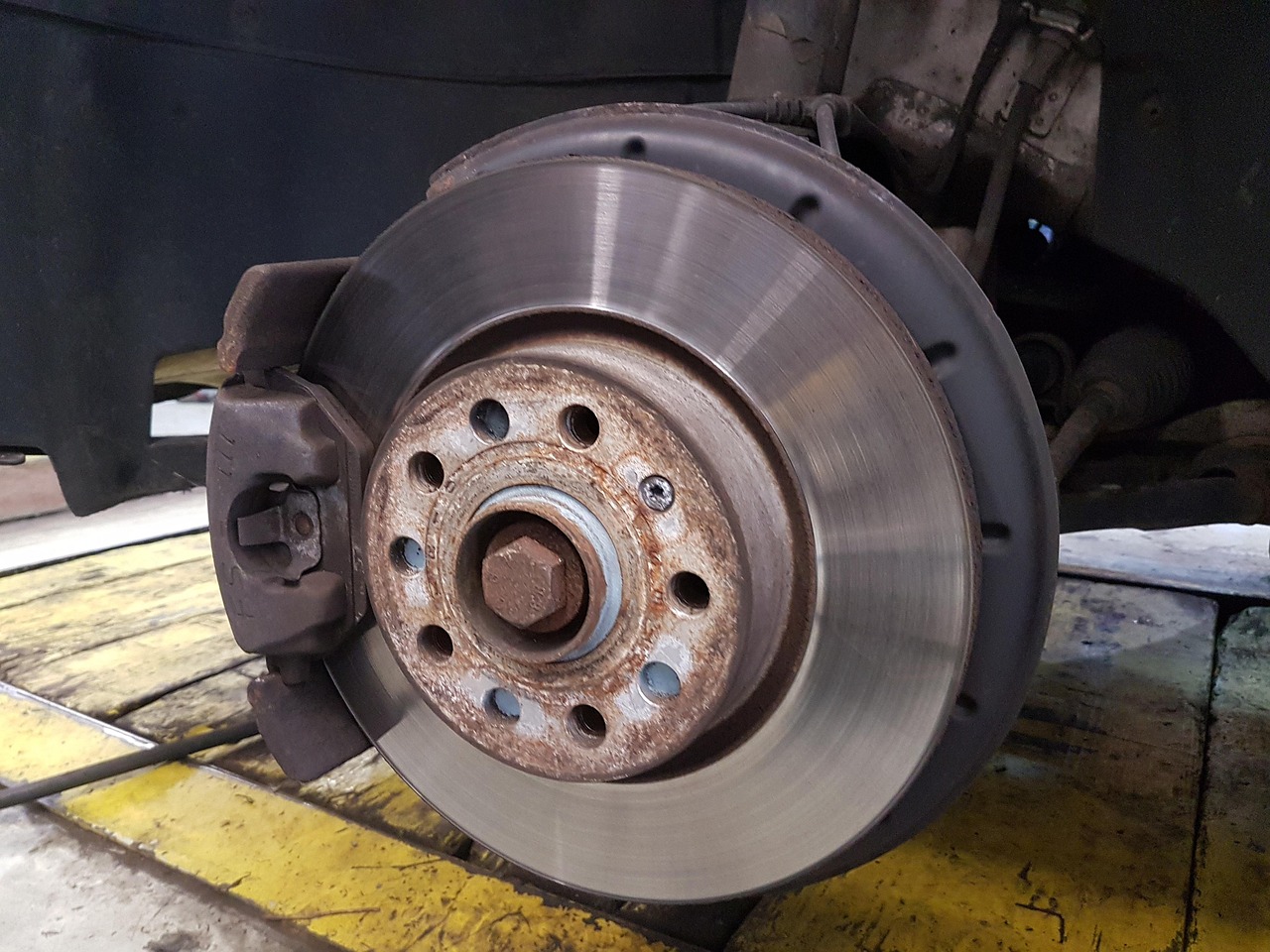
A squeal can come from pads wearing down or vibrating against their contact surfaces. We inspect the pad material directly instead of judging wear by how loud the squeal has become. The inner pad sits behind the disc, where it is harder to see than the outer one. It can also wear faster. Even if the pad you can see looks thick, the one behind the disc may need replacement. The friction material is the part that wears away each time you brake; the metal backing remains behind it. We check both pads before deciding how much usable material is left. A glance through the wheel leaves too much of the assembly out of view.
A Wear Warning Still Calls For A Full Inspection
Where your Passat has a pad-wear indicator, the warning means the pads need inspection. The indicator doesn't monitor every friction surface or check whether a caliper is sticking. We inspect the brakes directly, including on models without a pad-wear light. On a model with a wear sensor, we check that part during pad replacement too. A damaged sensor needs replacement with the pads. The brake-system warning is different. A system malfunction or low-fluid warning means stop safely and arrange assistance, even if there has been no squeal or grinding.
Grinding Can Mean The Backing Plate Is Scraping The Rotor
When the friction material wears away, the metal backing can scrape against the rotor. The sound becomes coarse, and the metal can cut grooves into the disc. Those grooves affect the surface the next set of pads will press against. Other damaged parts can scrape too, so grinding still needs a direct inspection.
Stop using the car until persistent grinding has been checked. If the pedal sinks or stopping ability drops, stop safely and arrange assistance. Continuing the drive can leave you with reduced braking.
A Pulsing Pedal Can Involve The Disc Surface
You hold steady pressure on the brake pedal, but feel it rise and fall as the Passat slows. If the disc varies in thickness or has an uneven surface, its contact with the pads can change on each turn and make the pedal pulse. The pads may still have friction material left. We inspect the rotor surface and measure its thickness. A disc that looks smooth can still be too thin to use. The disc needs enough metal to absorb braking heat. Damage or insufficient thickness needs attention before new pads go on.
Uneven Wear Can Begin At The Caliper
A caliper presses the pads against the rotor, then releases them when you lift your foot. If its moving parts stick, a pad can drag against the disc between stops. The friction material wears while you're driving, even though your foot is off the brake. One pad can become much thinner than its partner.
We repair a sticking caliper when it is keeping a pad against the disc. New pads need free movement at their contact points as well as a sound disc to grip. Replacing the worn material while leaving a caliper stuck can bring the same uneven wear back on the replacement set. We replace brake pads as a set across the axle, covering both front wheels or both rear wheels, even when one side has worn faster.
Arrange Service For The Brakes On Your Passat
If your Passat squeals at stops or has a pad-wear warning, arrange a brake inspection. We repair Volkswagen brakes at our San Leandro shop for San Lorenzo drivers. Call Precision Auto Care at (510) 351-8211 to book service.