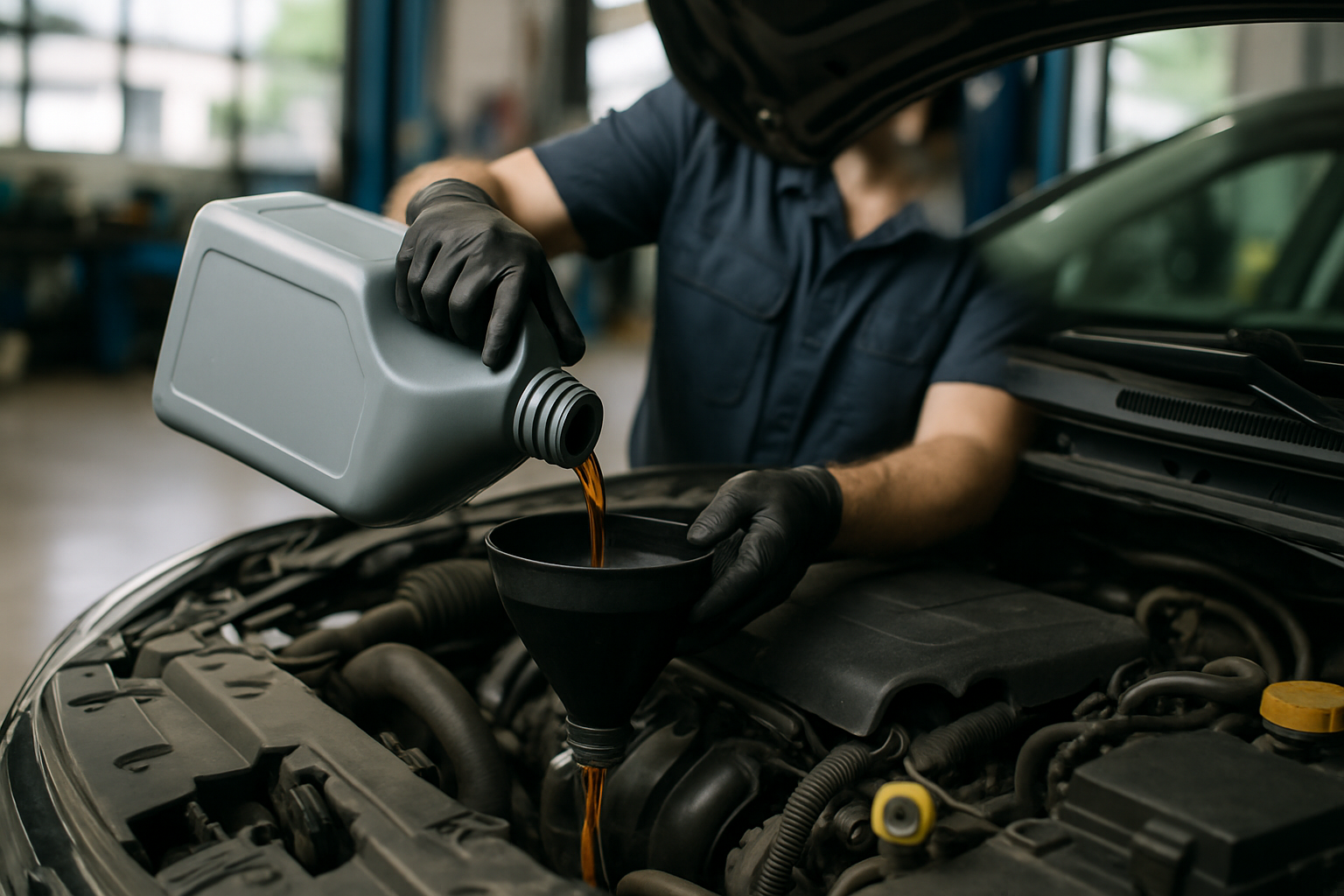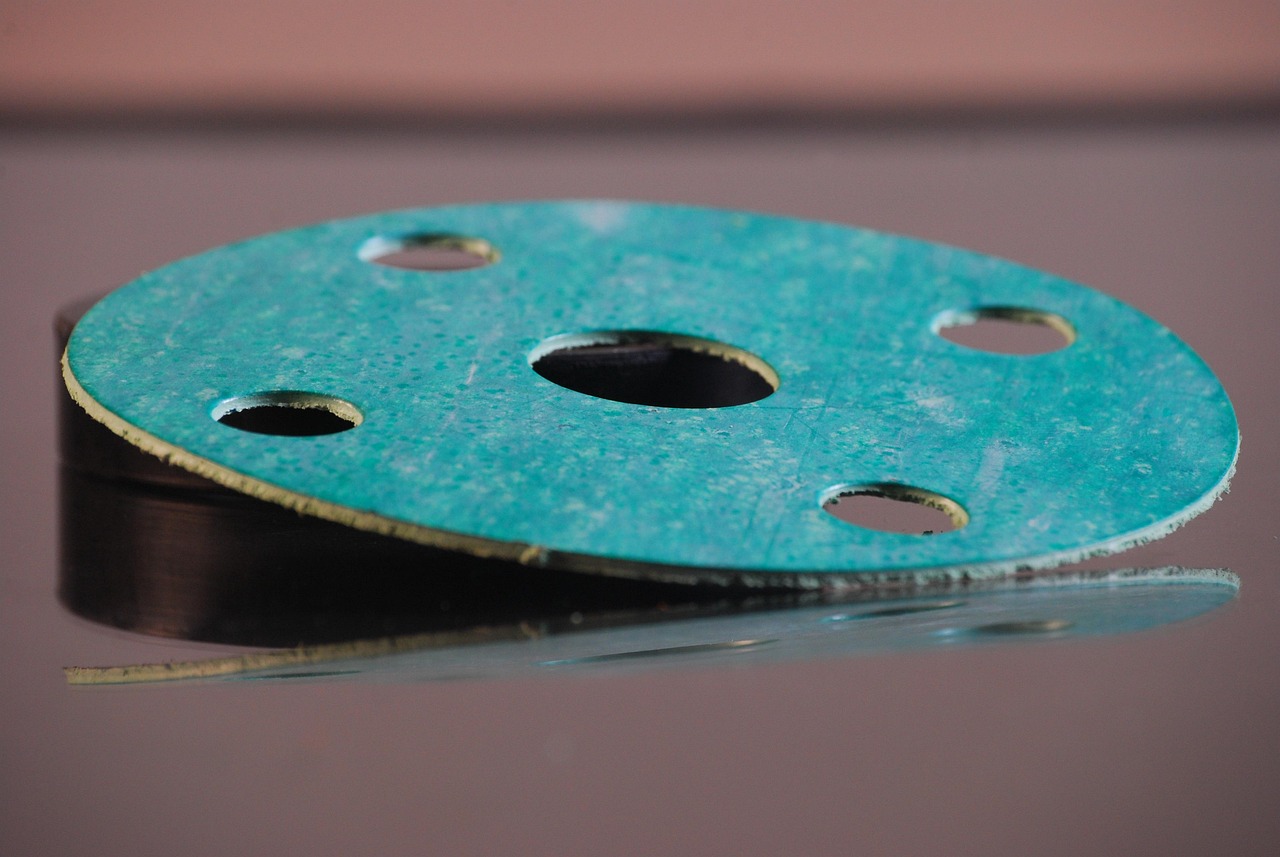
On an Outback with the non-turbo 2.5-liter EJ25 engine, built through the 2012 model year, a head gasket seep shows up as a film of oil and coolant along the lowest outer edge of the engine, on one side or both. Its cylinders lie flat, so each gasket runs along that lower edge, and the drip can stay on the underside long before it marks your driveway. Even over a clean garage floor, a coolant level that keeps dropping can still be that outward seep, because the leak can run along the engine and go unseen from below.
Once the gasket is confirmed as the source, the repair is bigger than a seal. Both heads come off, and the timing belt comes off on the way, with the water pump behind it. At Precision Auto Care in San Leandro, we lay out that full job for you once the leak is traced to the gasket.
The Model Year Places the Engine
This outward seep is concentrated in one engine, the non-turbo 2.5-liter EJ25 fitted to Outbacks through the 2012 model year. That is the engine with the long record of head gaskets weeping at the joint between head and block. From 2013 on, the Outback 2.5-liter uses the FB25, a different design with a much better head gasket record. On an FB25, oil found inside the spark plug tubes comes from the tube seals, a separate repair from a head gasket. The model year sets which engine you have, so it changes which part we look at first.
Each Gasket Sits Low on a Flat Engine
A boxer engine lays its cylinders flat, with one cylinder head out to the left of the crankshaft and one out to the right. Between each head and the block sits the head gasket, the seal that keeps oil, coolant and combustion apart. On the EJ25 the gasket typically fails outward, so oil and coolant seep down the outside of the engine at that joint. It starts as a slow seep and grows with mileage.
The Sweet Smell and the Reservoir
A sweet smell from the engine bay after a drive is coolant reaching hot engine or exhaust parts. On an EJ25 Outback with a wet lower engine edge, that smell fits an outward gasket seep. Coolant that has turned milky has oil mixed into it, and that mix lubricates poorly.
Bubbles rising in the coolant reservoir with the engine running are a sign that combustion gas may be reaching the coolant. Testing the coolant chemically for combustion gas separates that internal leak from an outward seep. If the temperature gauge climbs toward hot or steam shows, pull over, shut the engine off and arrange a tow to the shop. An overheated aluminum engine can warp its heads.
Both Heads Come Off for the Repair
On an EJ25, the head gasket job removes both cylinder heads. While the timing belt and the water pump are off and within reach, we inspect them and base our recommendation for each on what we find. Each head is checked flat before new gaskets go on, because a warped surface will not seal a new gasket.
Checking it means setting a precision straightedge across the clean gasket face, lengthwise, corner to corner and across, then sliding thin feeler gauge blades into any gap beneath it. The thickest blade that fits is the measure of how far the surface has moved out of flat. A head just outside its limit can be resurfaced by machining it straight before it goes back on. Any head that passes goes back on with fresh gaskets. An engine that overheated with a failing gasket can leave a head too warped to seal. Caught while it is still a seep, the head gasket job becomes a planned repair.
Call About Your Outback
After the visit you will have the leak traced to its source and a repair plan that matches it. You will also have a clear answer on the belt and water pump if the heads come off. Call Precision Auto Care in San Leandro at (510) 351-8211 and describe the smell or the wet edge you noticed.