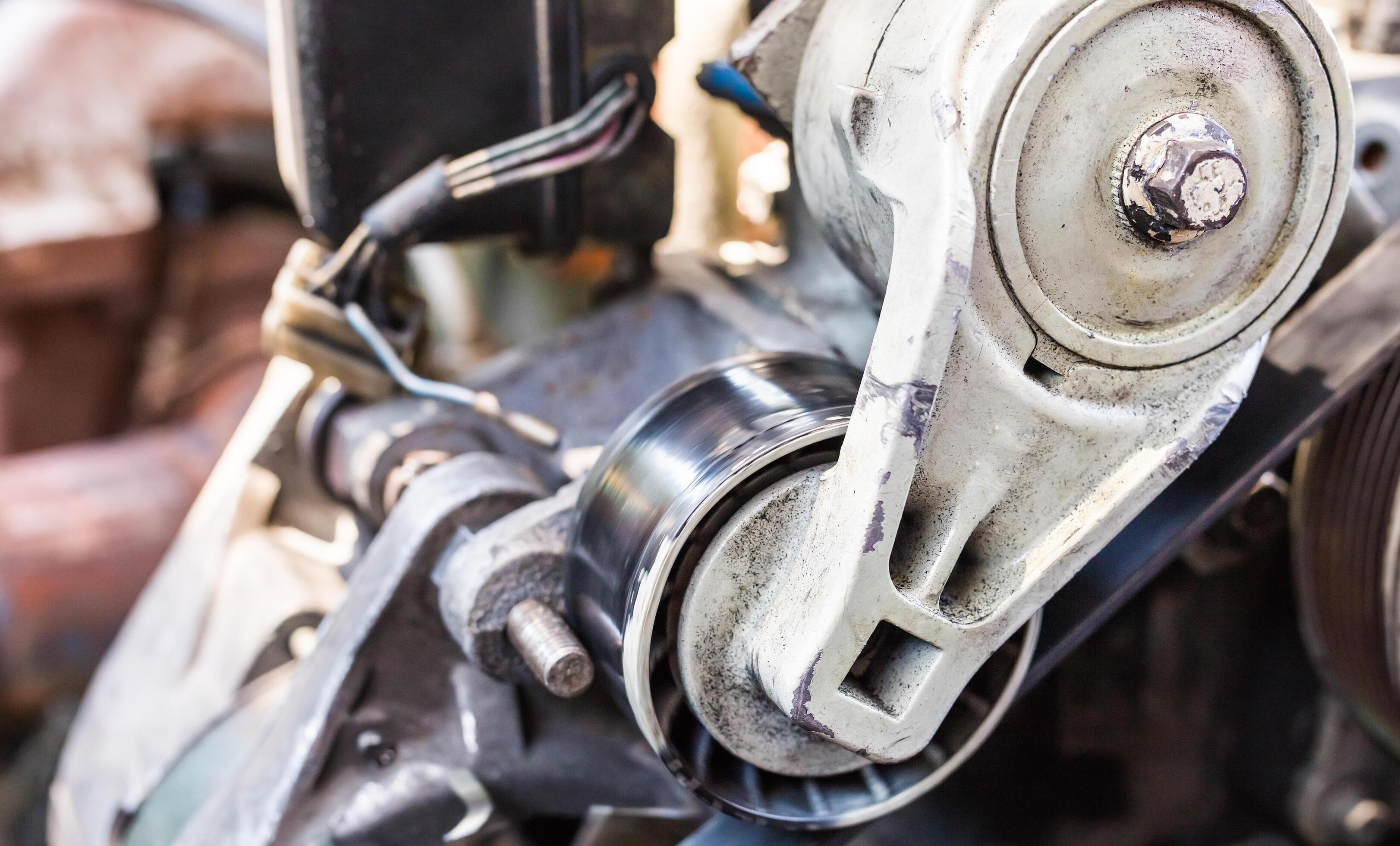
Many recent Audi A4 systems use a compressor with no external clutch on the front of it. The pulley turns whenever the engine is running, and cooling output gets regulated inside the compressor instead. An internal control valve varies displacement according to demand from the climate control system. Weak cooling on that design often traces to the valve while the compressor itself remains serviceable. We work on A4 air conditioning at Precision Auto Care in San Leandro, and Oakland owners are welcome to bring theirs over.
Waiting to Hear a Clutch Engage Wastes Time on These Cars
Older compressors cycled on and off through an electromagnetic clutch, and drivers could hear that from the seat. A clutchless compressor gives you nothing to listen for, because the pulley never stops while the engine runs. Cooling demand changes what happens inside the housing instead of what happens at the pulley. Anyone waiting for a clutch to engage on an A4 of this design is waiting on something that was removed. We check control valve operation and system pressures to get the same answer properly.
Fading Cooling Often Points Somewhere Smaller
Air that blows cool and then warms up over a longer drive is a common sign of a smaller fault. Refrigerant lost slowly through a leak produces the same weak vents, and the leak can sit anywhere in the circuit. Oily residue collecting around a fitting or a seal marks where refrigerant and lubricant escaped together. Several of those faults are much smaller jobs than a compressor replacement. An evaporator leak sits behind the dashboard, so that one carries real labor even though no compressor is involved.
Noise From the Pulley Area Is a Different Matter
Grinding or rumbling from the front of the engine is worth prompt attention on any A4. That noise commonly comes from the bearing inside the compressor pulley, which turns constantly on this design. A bearing that seizes can shred the drive belt and take other belt driven accessories out with it. With the belt off, we spin the pulley by hand and feel for roughness or side-to-side play. Driving on a noisy pulley risks a belt failure on the freeway, which is why we look at it early.
The Oil We Drain Out Guides the Rest of the Repair
When a compressor comes off the car, we drain its oil into a clear container and look at it under light. Oil showing no sparkle or grit makes widespread metal contamination less likely. Oil carrying metallic debris means the compressor came apart somewhere inside. Debris that fine travels through the condenser and the lines before anyone opens the system. What we find in that container sets the scope of everything after it.
Metal Contamination Changes the Whole Repair
A compressor that failed internally leaves debris the rest of the system has to be cleared of. We inspect the full refrigerant circuit and follow the Audi procedure for the components involved. Some parts can be flushed clean, and others hold debris inside passages that flushing will not reach. Modern condensers fall into that second group often enough that replacement gets considered seriously. The receiver drier comes out any time the system is opened, because its desiccant absorbs moisture from the air.
Let Us Test It Before a Compressor Gets Ordered
Ordering a compressor is one of the larger decisions on this car, and a diagnosis belongs first. We check system pressures and search for leaks before recommending any part. Call Precision Auto Care at (510) 351-8211 and ask for an air conditioning diagnosis on your A4. Bringing the car over from Oakland takes one appointment, and you will leave knowing which repair you are looking at.