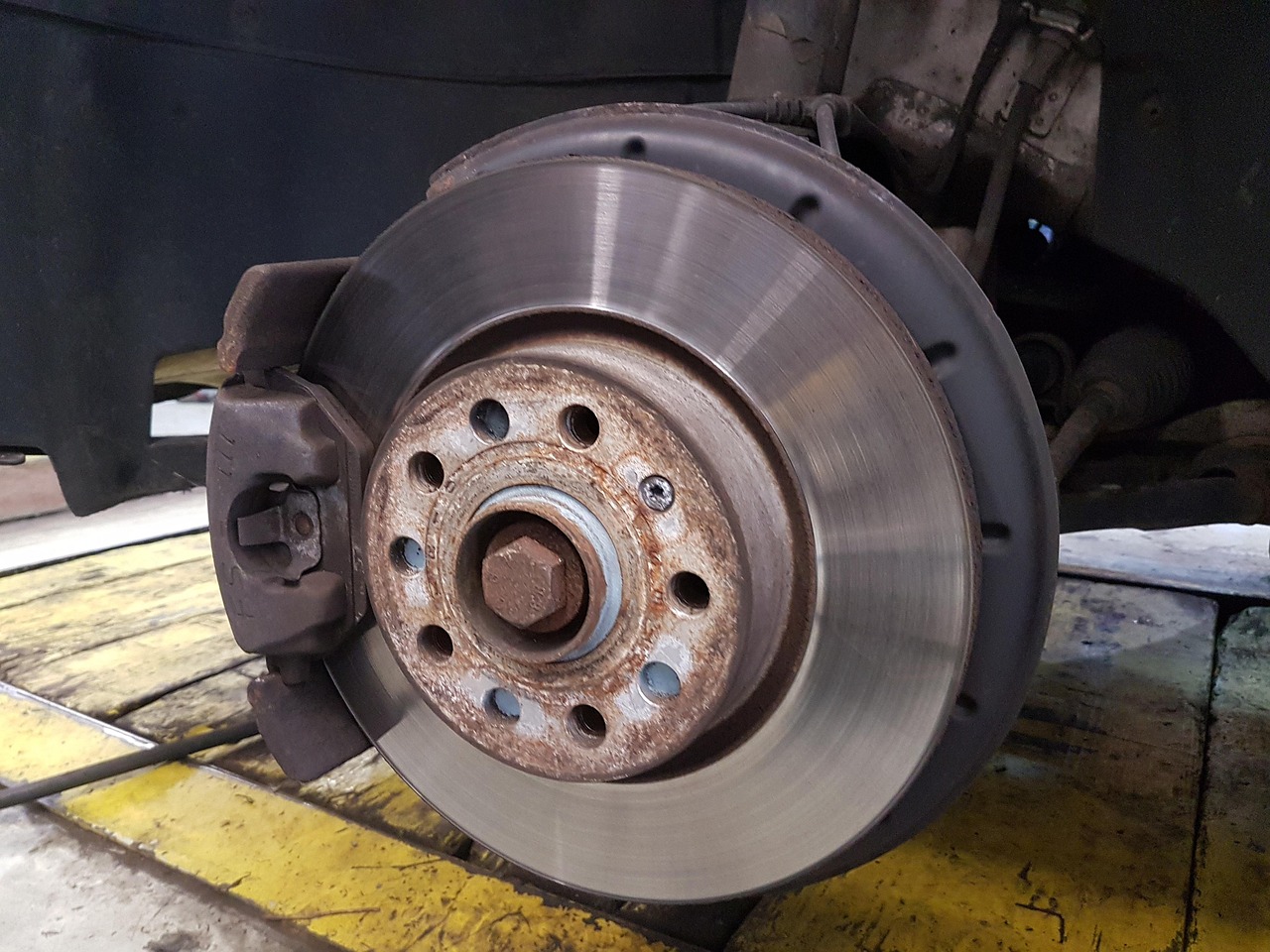
You hear it once pulling out of the driveway, and then it goes away. The next morning it returns at the first stop sign, a little louder and harder to ignore. Brake wear on a Ford Explorer shows up in stages, and the sound changes as it moves from one stage to the next. Here at Precision Auto Care in San Leandro, we sort those stages by what we find with the wheel off. Once you know which stage your Explorer is in, the decision about what to do next gets much simpler.
A Mechanical Wear Indicator Warns You Early
Explorers fitted with a mechanical pad wear indicator carry a small metal tab against the pad backing plate. That tab begins touching the rotor once friction material wears down to a set point. The high-pitched squeal you hear at low speed comes from contact between the tab and the spinning rotor. The indicator sits where the sound starts while usable pad material still remains on the truck. Not every pad set uses the same indicator design, so we confirm what is fitted before drawing a conclusion.
A Pull to One Side Has Several Possible Causes
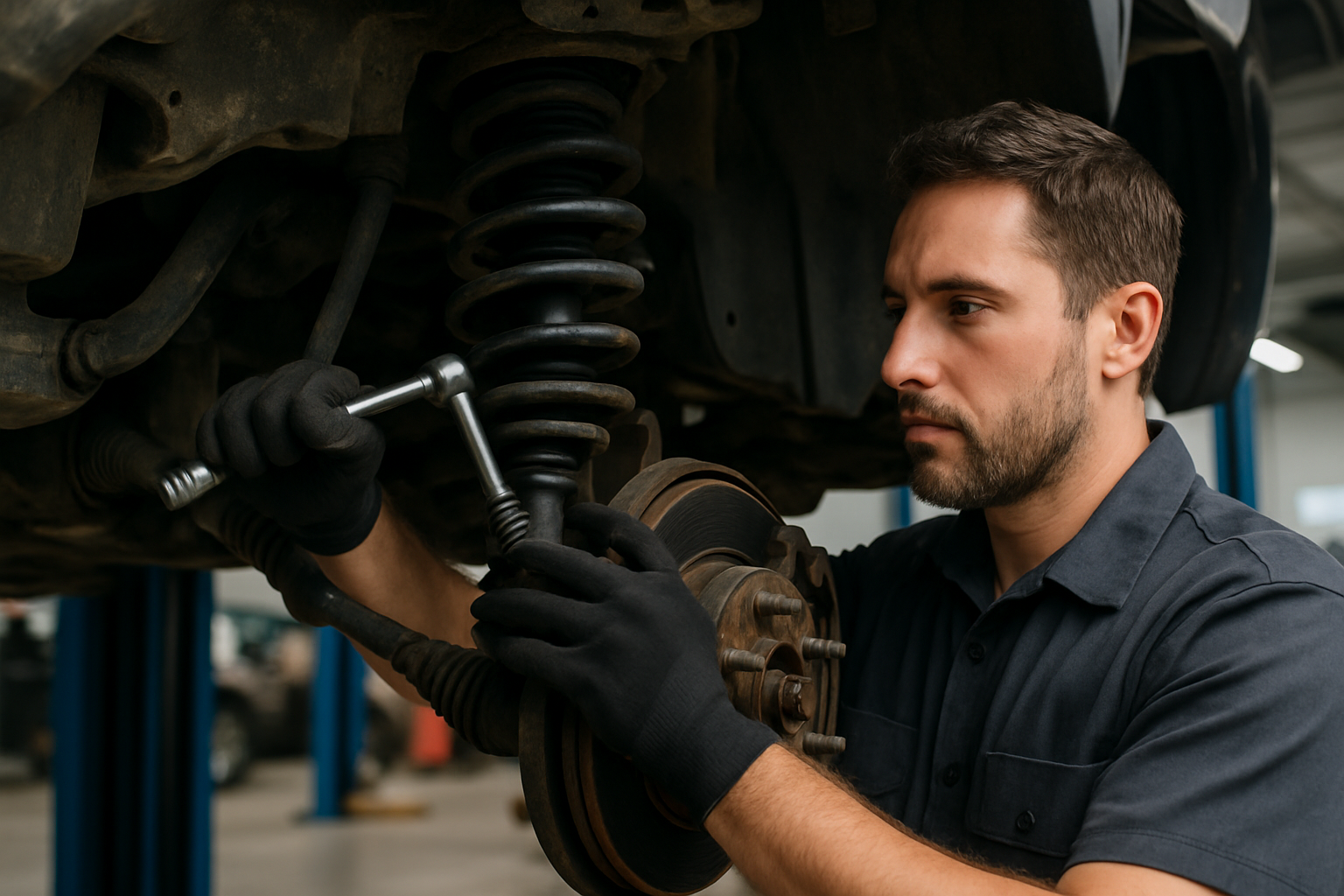
When an Explorer pulls under braking, we compare the brake hardware on both sides of the axle. Binding caliper slide pins are one common source, since a caliper that cannot move applies uneven pressure. A sticking piston or a restricted brake hose produces similar behavior on the same corner. Contaminated friction material and suspension condition also belong on the list. We work through those possibilities before deciding what comes off the truck.
Pulsation Through the Pedal Adds Rotors to the Job
A pulse you feel through the pedal during braking traces back to the rotor. Thickness variation around the disc is the usual finding, and lateral runout can produce the same feel. Your pads press against a surface that no longer runs true, and the pedal rises and falls with each rotation. Fresh friction material against that surface reproduces the same pulse, so pads by themselves will not settle it. We measure rotor thickness at several points around the disc before recommending anything.
Grinding Means the Friction Material Is Gone
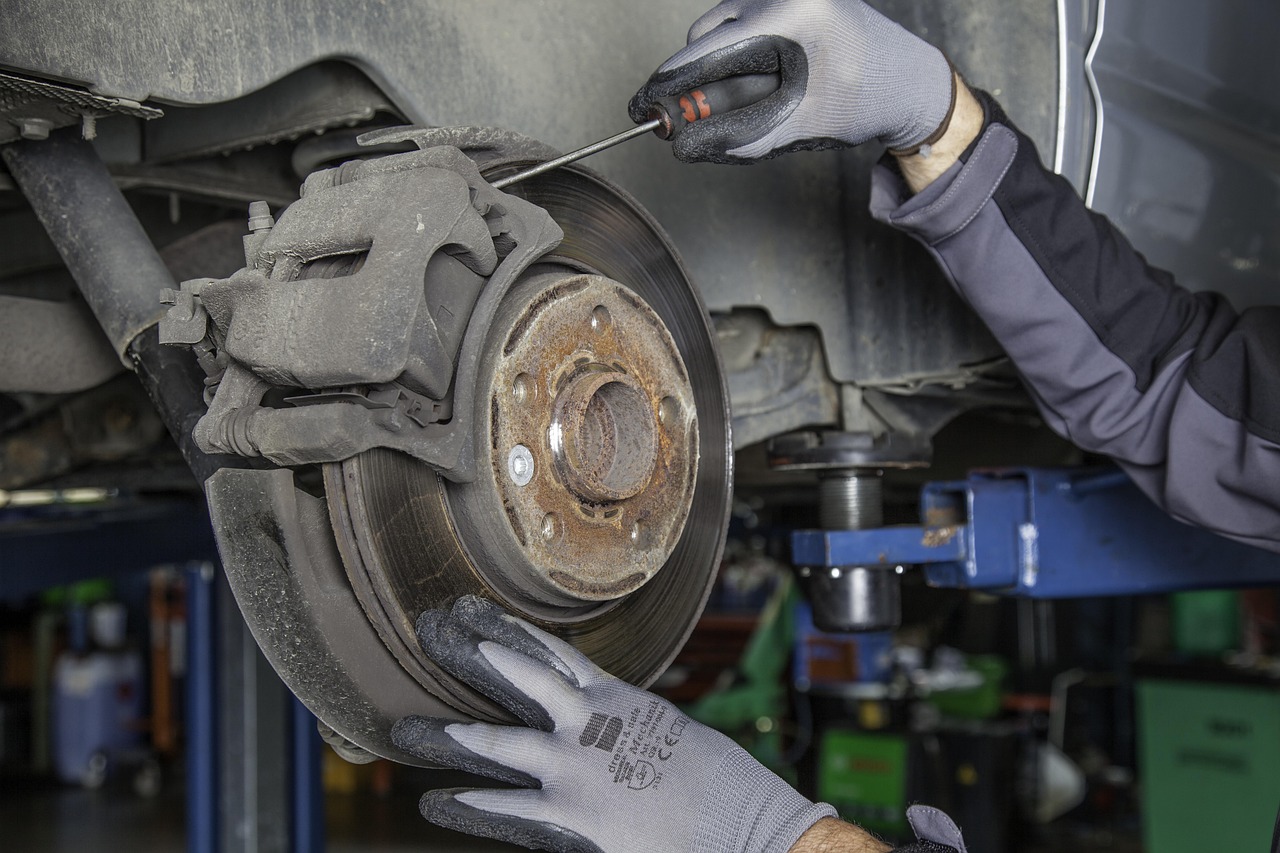
Metal against metal produces a completely different sound from a squeal. At that stage the pad backing plate rides directly on the rotor face. Rotors almost always get added to the job here, along with hardware that absorbed more heat than it was built to take. Your Explorer still stops, and the repair now includes more parts than it would have a month earlier. We inspect the caliper and the surrounding hardware at that stage, since heat travels into both.
Rear Pads on Many Explorers Involve an Extra Step
Explorers built with the electronic parking brake carry small electric motors on the rear calipers. Those motors have to be placed into service mode before anyone compresses a rear caliper piston. Forcing a piston back without that step damages the actuator motor and adds cost to a job that should stay routine. Front pads on the same truck involve no such step, which surprises owners who have done their own brakes. We put the system into service mode with a scan tool and return it to normal before the truck leaves the bay.
Bring It By and We Will Measure What Is Left
Pad thickness is one thing we can't estimate over the phone. With the wheel off, the check takes a few minutes and produces a number. Call Precision Auto Care at (510) 351-8211 and bring your Explorer to our San Leandro shop when it suits you. You will hear that number and where your brakes stand, with no pressure to authorize work that day.