Your Camry drives smooth all over town, and then you brake hard and the wheel starts to shake. This exact pattern rolls into our San Leandro shop on Camrys all the time. The first thing we tell people is that the shake rarely means a warped rotor, even though everyone guesses that first. Most folks walk in already braced for an expensive brake job. We measure before we say a word, because a hard stop tells us far more than a gentle one does.
What A Hard-Stop-Only Shudder Tells Us
A shake that shows up only under heavy braking narrows the problem fast. Light pedal pressure barely loads the brakes, so a small flaw on the rotor face stays hidden. Clamp the pads down hard and that same flaw gets felt through the whole car. We've worked on these Camrys for years, and the hard-stop-only tell is one of the cleaner clues a brake job hands us. It separates a rotor-surface issue from the other faults that can shake a car.
Why "Warped" Is The Wrong Word
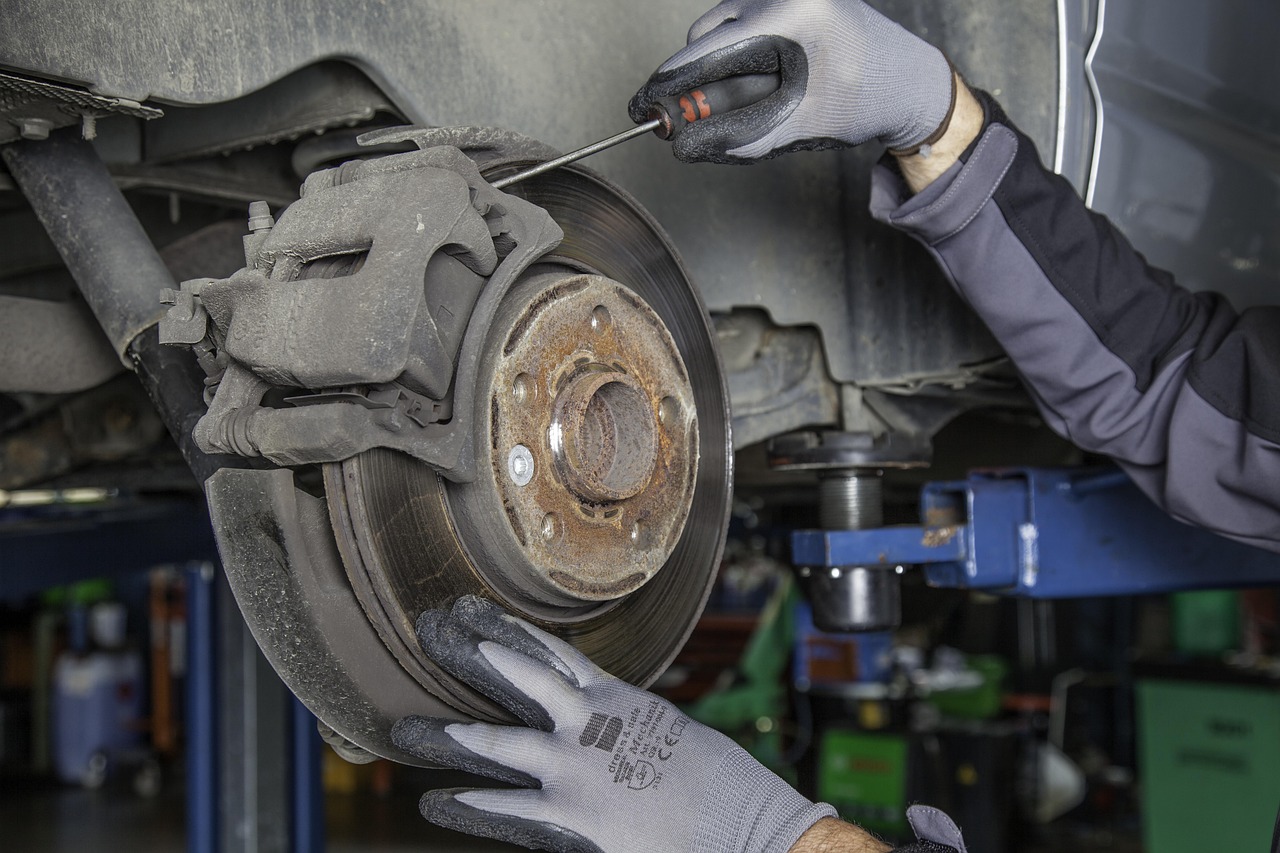
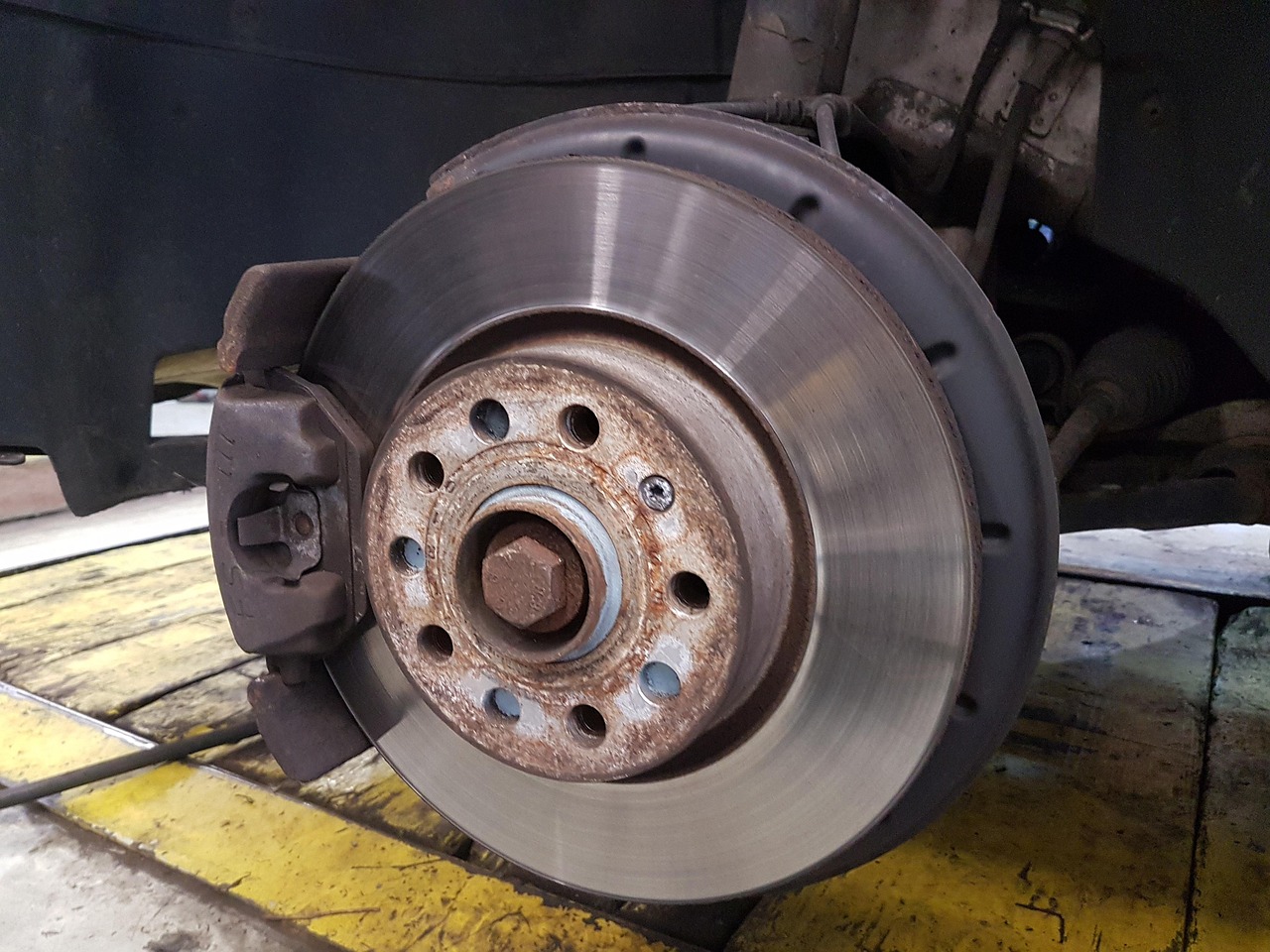
Almost everyone calls it a warped rotor, and that one word points the repair in the wrong direction. The real name is disc thickness variation, a difference in how thick the rotor measures at spots around its face. Heat bending the metal is rarely the cause here. The usual culprit is pad material transferring onto the rotor unevenly across thousands of stops, building high spots you feel through the pedal. We'd rather name it right than let you picture a banana-shaped rotor that was never there.
Where You Feel It Points To The Cause
You can help us before the car ever reaches the lift. Pulsation that comes up through the brake pedal puts us on the front rotors. Steering-wheel shimmy from side to side points to the front end too. When you feel the shake in the seat instead, we go looking at the rear. Front-engine, front-drive cars load the front brakes hardest on every stop, so the fronts wear and build deposits faster, and that's where this trouble usually starts. Tell us where you feel it and you've already saved us both some time.
What We Measure First
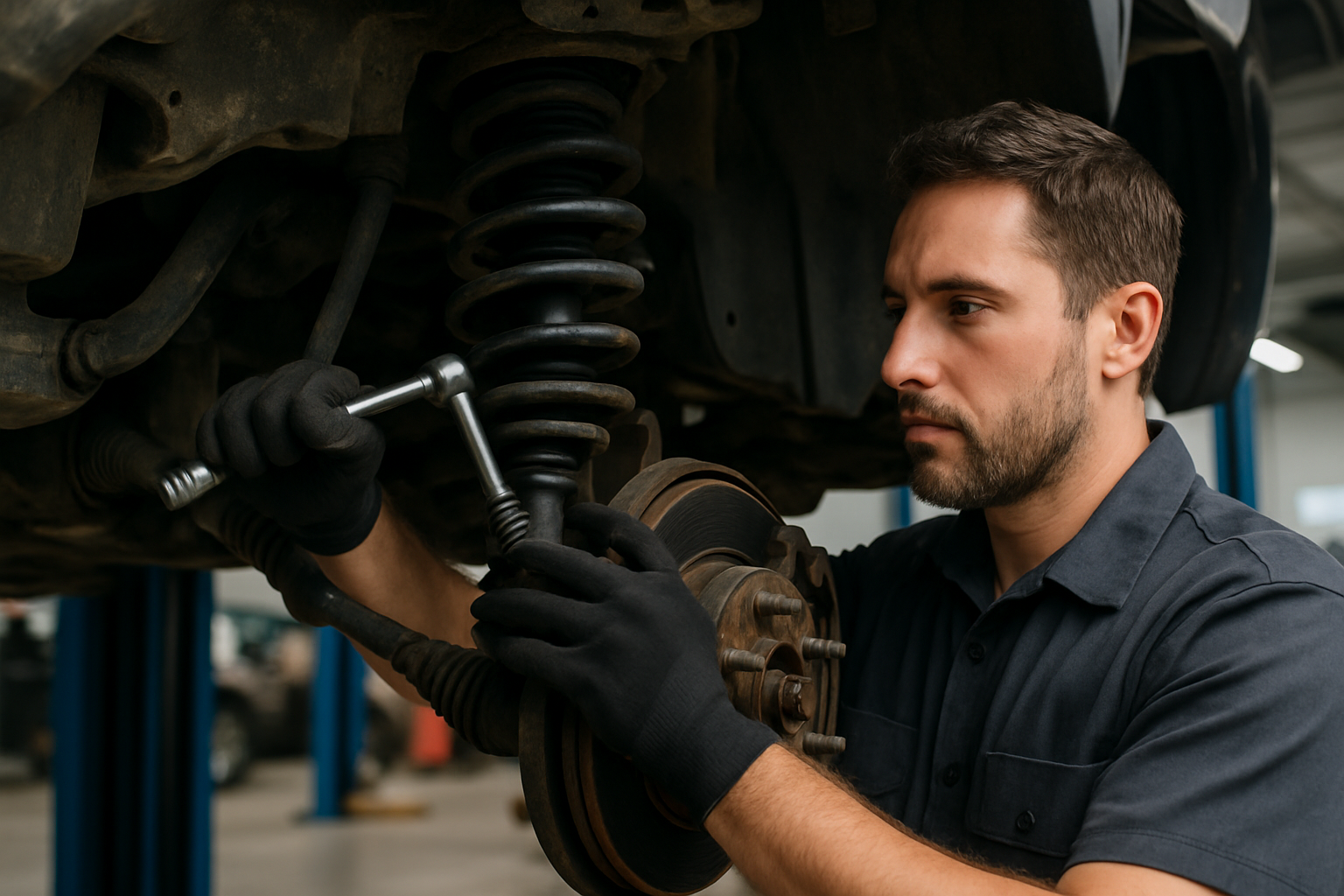
Here's the step that most other shops skip on a brake job. We set a dial indicator against the rotor and read it at several points around the face, because the thickness can vary by amounts too small to see yet big enough to feel. Around twenty microns of variation, less than a thousandth of an inch, will reach your steering wheel on a hard stop. We also check the caliper guide pins, since a sticking pin clamps the pad unevenly and bakes on the very deposits that started this. Free up that pin or the shudder comes right back after the new parts go on.
Machine Or Replace At The Minimum
Every rotor carries a minimum thickness cast right into it, and that number governs what we can honestly do. With enough metal left, we machine the face true again and clean off the variation. Once a rotor sits at or below that cast minimum, it has to be replaced, because thin metal can't shed heat and it will warp for real. We measure at four points or more and let the lowest reading make the call. You will see the number we are working from before any decision gets made.
What The Measurement Settles
If your Camry shakes only when you stop hard, bring it to our San Leandro shop and let us measure before anyone reaches for new rotors. We'd rather find the sticking pin and the high spots today than sell you rotors twice when the shake returns next year. Call Precision Auto Care at (510) 351-8211 and tell us where you feel it, and we will start right there. We will show you the measurement and hand you the number.