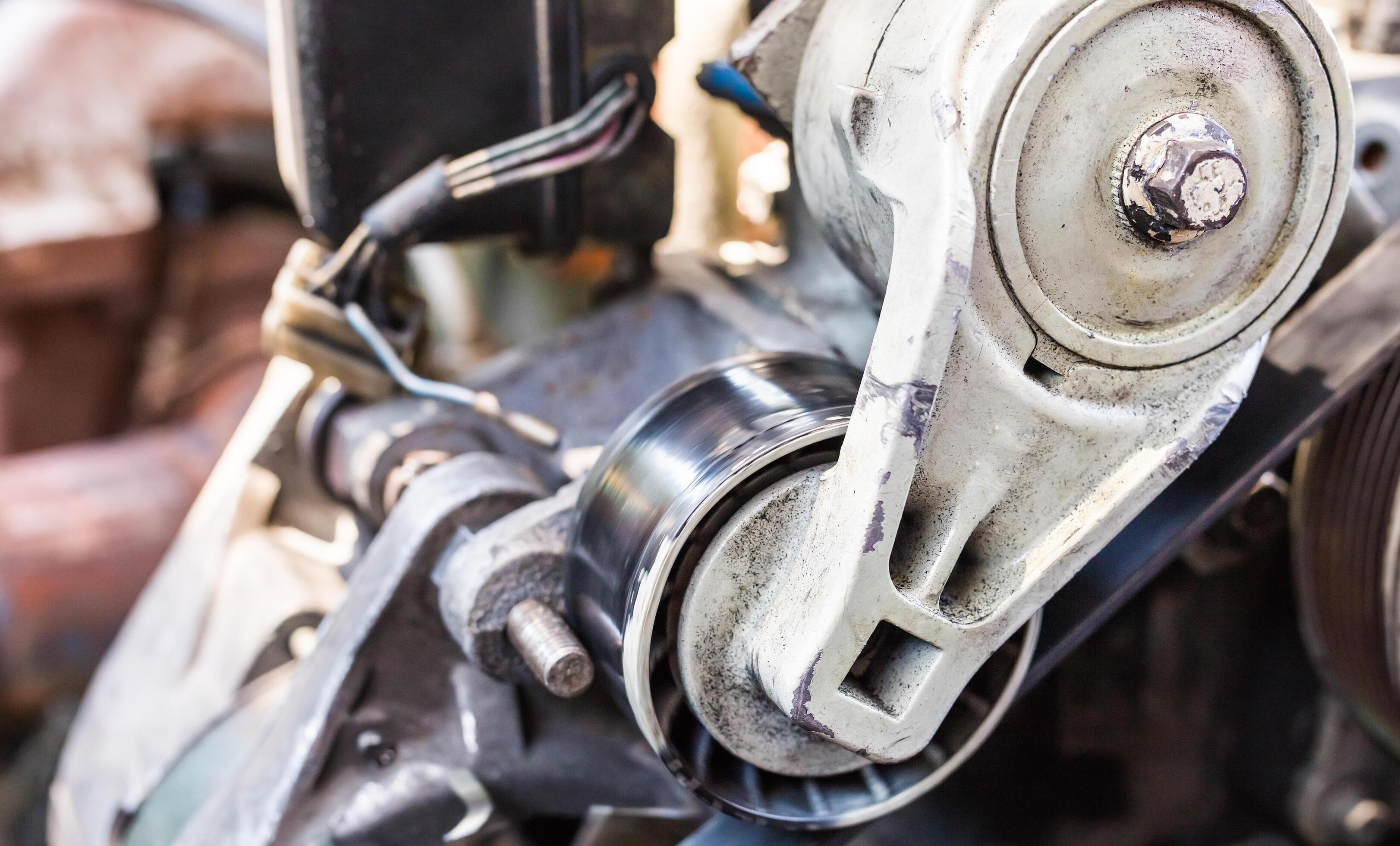
 When the check engine light glows, many Hayward Audi drivers believe clearing it resets the problem, but clearing codes only erases the symptom, never the cause. The system has already logged freeze frame data, operating conditions, and fault codes, which means the failure is real, not imagined. Ignoring that light can turn a minor sensor issue into a catalyst replacement costing thousands. The truth is simple: the warning light is your car’s black box, and the numbers inside tell the story mechanics must read.
Numbers Do Not Lie
Our diagnostics begin with capturing fuel trims, oxygen sensor activity, and misfire counters, because those numbers reveal patterns parts-swapping never will. Freeze frame data shows the conditions when the light is set, such as temperature, load, or speed, which directs our first test. Mode Six data and readiness monitors add a second layer, confirming which systems passed or failed hidden tests. We use smoke machines, fuel pressure gauges, and oscilloscopes to validate suspicions before turning a single wrench. The myth says mechanics figure it out by feel, but the truth is disciplined data saves time, parts, and frustration.
Turbo Engines That Leak Confidence
EA888 two point zero turbo engines in 2009 through 2017 Audis often set underboost faults from worn wastegate pins, torn diverter valves, or charge hoses that split hot. The light reads P0299, and the driver feels sluggish throttle response that grows worse with load. Left unchecked, the turbo itself wears prematurely, turning a small leak into a replacement job costing thousands. We test boost request versus achieved, airflow grams per second, and pressurize the charge system to expose leaks. A torn seal costing fifty dollars can prevent a five-thousand-dollar turbo, which is why we always prove leaks before recommending parts.
Carbon Buildup That Tricks Drivers Into Replacing Coils
Direct injection leaves intake valves unwashed by fuel, allowing carbon to build up until cold starts misfire and idle shakes violently. Many owners install coils and plugs repeatedly, but the codes return because the root cause was never found. We borescope intake ports, confirm buildup, and blast valves with walnut shells to restore airflow. After cleaning, adaptation values settle and misfires vanish, proving that the spark was never guilty. A pile of wasted ignition parts is the cost of believing a myth, while one correct cleaning restores years of stability.
Intake Runners That Pretend To Be Sensors
Audi A4 and A5 models on the B8 platform often set P2015 when intake manifold runner linkages wear and sensors read implausible positions. Owners think a sensor has failed, yet the sensor was honest, while the linkage was lying. We command flap movement, measure end stops, and verify linkage travel before condemning sensors or electronics. If a small bracket or replacement manifold is the solution, testing tells us which one, not guesswork. The truth here is that sensors rarely lie alone, and linkages often speak louder in failure.
EVAP Systems That Fail Smog Tests
Small EVAP leaks like P0441 or P0456 sound harmless, but in California, they guarantee a failed smog check until repaired correctly. Purge valves stick, vent lines crack under heat, and systems pass static tests while failing dynamically. We smoke test every line, command valves through scan tools, and measure trim response during purge. A weak valve may cost less than a tank of gas, yet a failed smog test costs weeks of retesting and frustration. The myth says small leaks can wait, but reality says every leak delays your next registration.
Cooling Systems That Protect Catalysts
Two-point-zero TFSI engines often set catalyst efficiency codes, not because the catalyst failed, but because thermostats or water pumps disrupted mixture control. We monitor coolant ramp, thermostat commands, and radiator outlet temperatures to confirm stable thermal control. A thermostat stuck open or a pump that leaks can destroy catalysts worth thousands. Fixing the thermal system early prevents massive collateral costs downstream. The lesson is clear: protect temperature control and you protect everything else.
Supercharged Engines That Demand Precision
Three-point-zero supercharged TFSI engines in S4, A6, and Q5 models create CEL headaches when bypass valves stick open or intercooler bricks leak under heat. Drivers blame electronics, yet pressure testing reveals leaks that sensors only reported. We confirm bypass valve command with scan data, scope ignition current, and pressure test charge paths for hidden failures. Correct testing prevents costly parts roulette on complex systems that intimidate many shops. Complexity is not a mystery when data and pressure reveal the truth.
Hayward Drivers Need Evidence
Our San Leandro shop serves Hayward Audi drivers who refuse to keep paying for the same light to return again. We show the data, explain the cause, and prove the repair with numbers so readiness monitors pass and wallets stay closed. Call (510) 351-8211 today, tell us when your light appeared, and let us connect your Audi’s codes to the truth before myths cost you money.