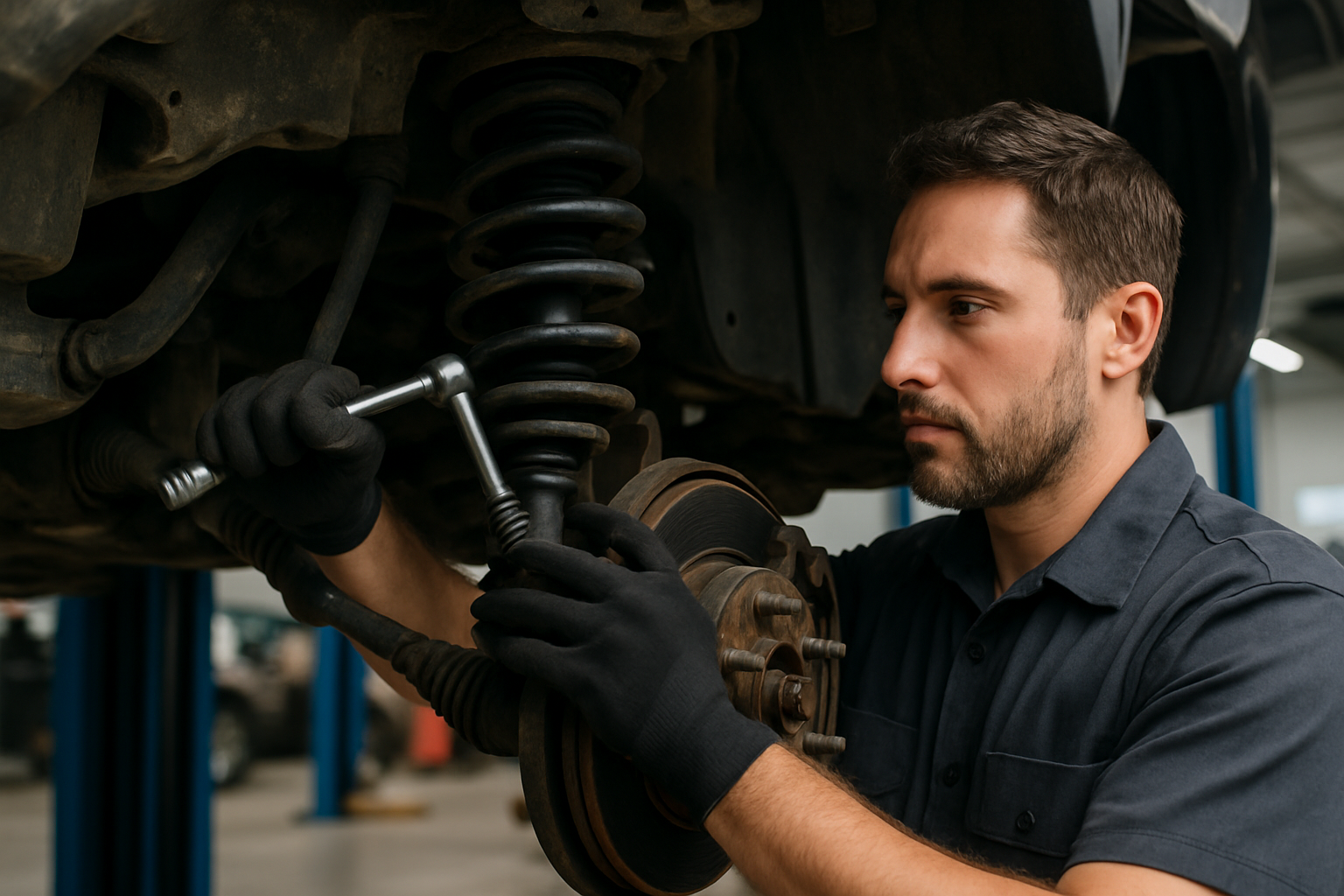
 While many drivers in Hayward assume brake squeaking is harmless, on Acura MDX models, it often signals underlying mechanical wear that should be inspected and corrected promptly. On second-generation models built from 2007 to 2013, front brake noise is often caused by pad glazing and uneven pressure across the caliper face, particularly in stop-and-go urban traffic. Third-generation MDX models from 2014 to 2020 introduced adaptive braking controls, but still suffer from vibration and squeal due to worn slide pin bushings and improperly lubricated shims. Even new fourth-generation MDX models from 2022 onward can develop high-pitched noises due to surface corrosion on rotors and light-contact pad chatter. At Precision Auto Care in San Leandro, we isolate squeal sources by generation using targeted inspections that go beyond generic pad assessments.
Glazed Pads Are a Symptom, Not the Root Cause
Pad glazing is one of the most common findings on Acura MDX brake jobs, but it is rarely the sole reason the system squeals. Glazing occurs when pads overheat and harden, creating a slick surface that vibrates under light brake pressure and produces the familiar high-pitched squeal. However, our diagnostics at Precision Auto Care in San Leandro often reveal that the real issue lies deeper, with worn slide pins, dried-out caliper grease, or fatigue in the anti-rattle hardware. For example, MDX models built between 2014 and 2019 use rear calipers with integrated electronic parking brakes, which are particularly sensitive to lubrication failure and often bind internally. Servicing these units requires detailed disassembly, high-temp ceramic grease application, and tension testing to prevent recurrence.
Rotor Damage Makes Noise Unavoidable if Left Unaddressed
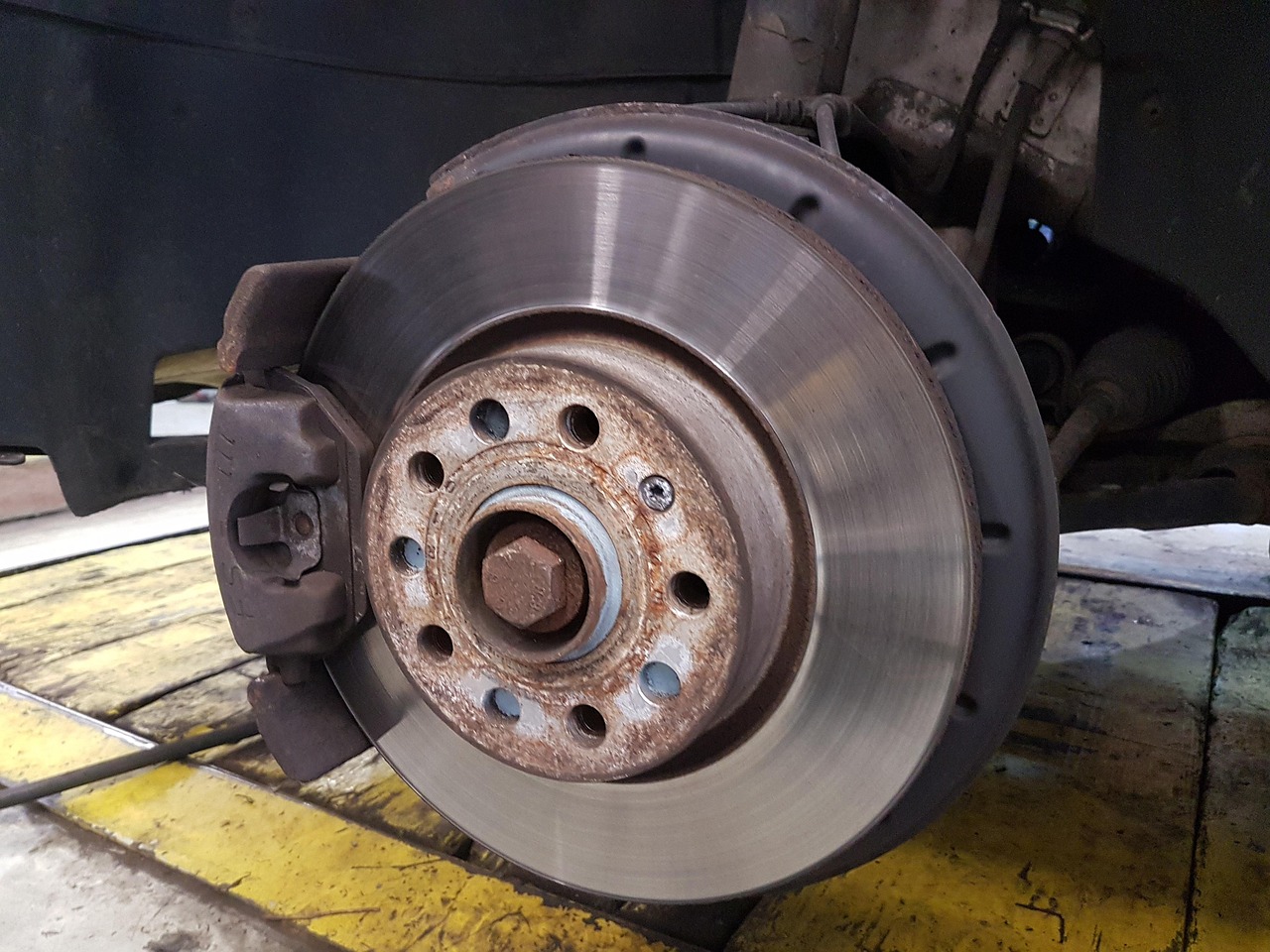
Squeaking during the first few stops after overnight parking is a common complaint among Hayward MDX owners, especially during the rainy season or periods of extended vehicle inactivity. Light surface rust may seem harmless, but once the rotor surface becomes uneven from repeated exposure, it will grind pads into a warped or grooved shape that no longer mates properly. MDX rotors from 2007 through 2015 are especially prone to developing high-frequency squeal due to their thinner construction and smaller diameter. At our San Leandro location, we measure rotor thickness variation with a micrometer, evaluate surface hot spots, and use on-car brake lathes when refinishing is viable. If rotors are too thin or hardened, we install OE-grade replacements matched to the braking force specifications of the MDX platform.
Pad Replacements Without Rotor Correction Will Bring the Squeak Right Back
Many brake jobs performed at generic repair shops fail because they replace only the pads while leaving glazed, grooved, or hardened rotors in place. The Acura MDX uses soft pad compounds designed to mate with specific rotor textures, which means any mismatch leads to noise and performance loss. Installing new pads on a damaged rotor results in partial contact, uneven pad wear, and frequent return visits for the same squealing complaint. Our San Leandro shop performs both rotor resurfacing and pad bedding to ensure complete contact and smooth, quiet stops. This attention to compatibility is what separates one-time repairs from recurring frustrations.
Hardware Fatigue and Poor Lubrication Are Major Contributors to Noise
Most brake noise complaints can be traced to worn or neglected hardware that creates excess vibration, allowing components to move under load. On 2014–2020 MDX models, slide pins, caliper brackets, and anti-rattle clips begin to degrade long before the friction material wears out, creating low-speed chirping and an inconsistent braking feel. Many shops ignore these small components, but at Precision Auto Care in San Leandro, we remove, clean, and replace any hardware that does not meet factory tension or alignment standards. We use ceramic-based lubricants designed to withstand the operating temperatures and vibration levels specific to Acura platforms. For Hayward drivers, this ensures quieter brakes, longer pad life, and safer performance during emergency stops.
While many drivers in Hayward assume brake squeaking is harmless, on Acura MDX models, it often signals underlying mechanical wear that should be inspected and corrected promptly. On second-generation models built from 2007 to 2013, front brake noise is often caused by pad glazing and uneven pressure across the caliper face, particularly in stop-and-go urban traffic. Third-generation MDX models from 2014 to 2020 introduced adaptive braking controls, but still suffer from vibration and squeal due to worn slide pin bushings and improperly lubricated shims. Even new fourth-generation MDX models from 2022 onward can develop high-pitched noises due to surface corrosion on rotors and light-contact pad chatter. At Precision Auto Care in San Leandro, we isolate squeal sources by generation using targeted inspections that go beyond generic pad assessments.
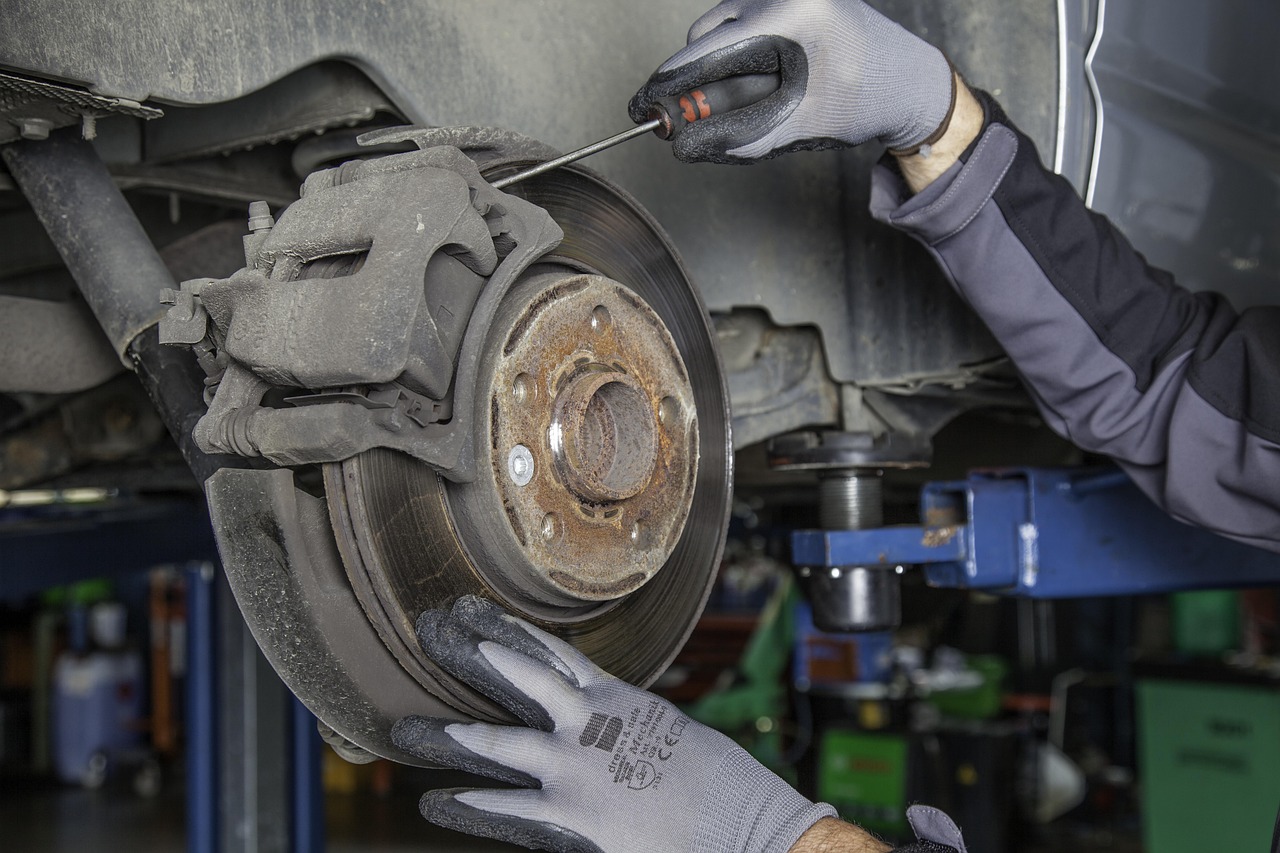
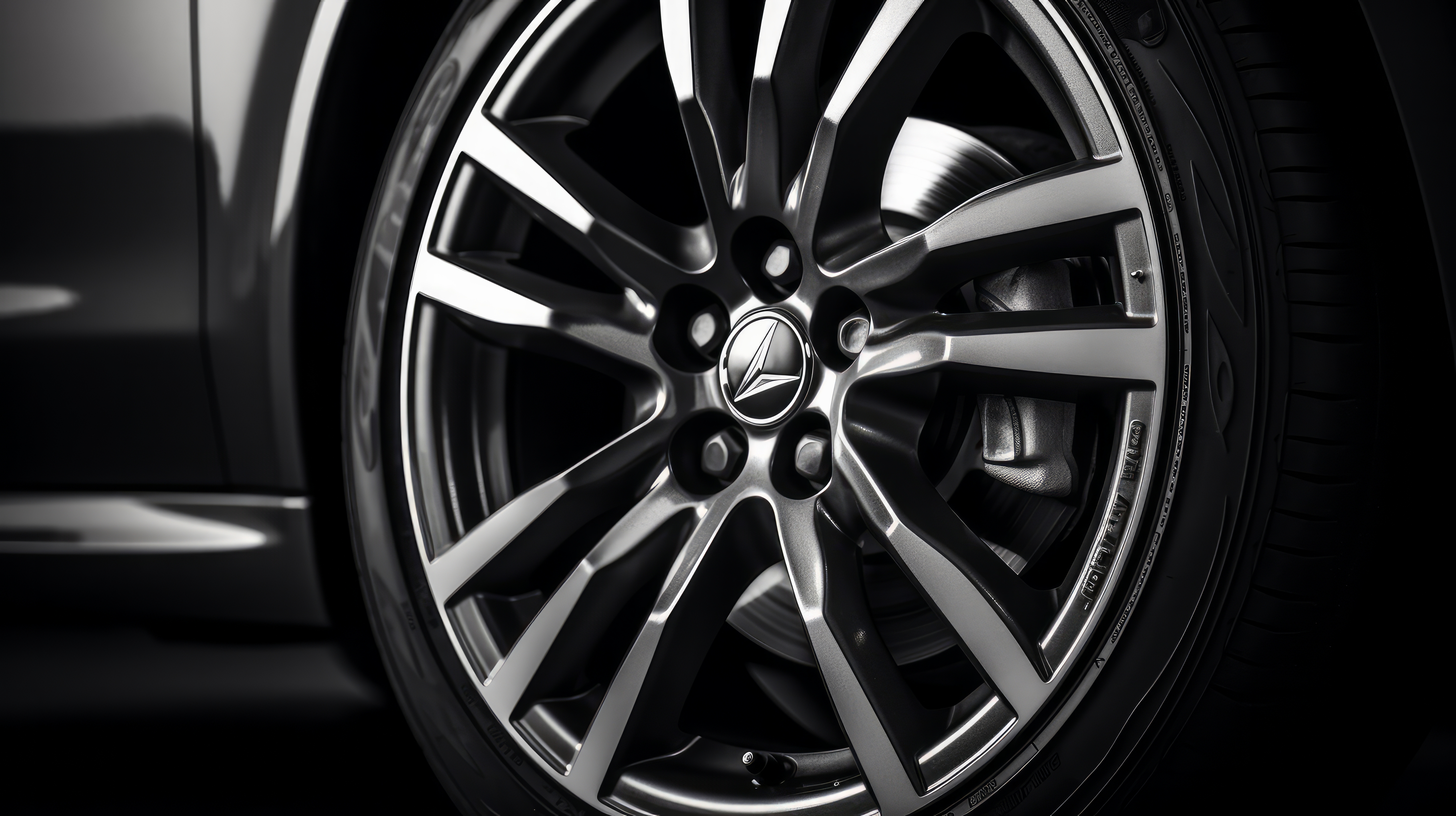
Close up detailed shot of a car wheel
Glazed Pads Are a Symptom, Not the Root Cause
Pad glazing is one of the most common findings on Acura MDX brake jobs, but it is rarely the sole reason the system squeals. Glazing occurs when pads overheat and harden, creating a slick surface that vibrates under light brake pressure and produces the familiar high-pitched squeal. However, our diagnostics at Precision Auto Care in San Leandro often reveal that the real issue lies deeper, with worn slide pins, dried-out caliper grease, or fatigue in the anti-rattle hardware. For example, MDX models built between 2014 and 2019 use rear calipers with integrated electronic parking brakes, which are particularly sensitive to lubrication failure and often bind internally. Servicing these units requires detailed disassembly, high-temp ceramic grease application, and tension testing to prevent recurrence.
Rotor Damage Makes Noise Unavoidable if Left Unaddressed
Squeaking during the first few stops after overnight parking is a common complaint among Hayward MDX owners, especially during the rainy season or periods of extended vehicle inactivity. Light surface rust may seem harmless, but once the rotor surface becomes uneven from repeated exposure, it will grind pads into a warped or grooved shape that no longer mates properly. MDX rotors from 2007 through 2015 are especially prone to developing high-frequency squeal due to their thinner construction and smaller diameter. At our San Leandro location, we measure rotor thickness variation with a micrometer, evaluate surface hot spots, and use on-car brake lathes when refinishing is viable. If rotors are too thin or hardened, we install OE-grade replacements matched to the braking force specifications of the MDX platform.
Pad Replacements Without Rotor Correction Will Bring the Squeak Right Back
Many brake jobs performed at generic repair shops fail because they replace only the pads while leaving glazed, grooved, or hardened rotors in place. The Acura MDX uses soft pad compounds designed to mate with specific rotor textures, which means any mismatch leads to noise and performance loss. Installing new pads on a damaged rotor results in partial contact, uneven pad wear, and frequent return visits for the same squealing complaint. Our San Leandro shop performs both rotor resurfacing and pad bedding to ensure complete contact and smooth, quiet stops. This attention to compatibility is what separates one-time repairs from recurring frustrations.
Hardware Fatigue and Poor Lubrication Are Major Contributors to Noise
Most brake noise complaints can be traced to worn or neglected hardware that creates excess vibration, allowing components to move under load. On 2014–2020 MDX models, slide pins, caliper brackets, and anti-rattle clips begin to degrade long before the friction material wears out, creating low-speed chirping and an inconsistent braking feel. Many shops ignore these small components, but at Precision Auto Care in San Leandro, we remove, clean, and replace any hardware that does not meet factory tension or alignment standards. We use ceramic-based lubricants designed to withstand the operating temperatures and vibration levels specific to Acura platforms. For Hayward drivers, this ensures quieter brakes, longer pad life, and safer performance during emergency stops.
Cheap Pads Without Shims or Isolators Cause Avoidable Squeaks
Aftermarket pads often lack the proper shims, insulators, or vibration dampers needed for noise-free operation on Acura MDX models. On 2017–2020 MDX trims, especially those with larger rear rotors and third-row seat loads, noise will emerge quickly if anti-rattle clips lose tension or are misaligned during installation. Our San Leandro brake techs install fully shimmed pads that match OE specifications, and we inspect every component of the backing plate, piston bore, and spring clip arrangement. Hayward MDX owners who want to eliminate brake noise must demand that every part of the system, pad, rotor, hardware, and lubricant, is addressed during service.
Stop the Squeak Before It Becomes a System Failure
A squeaky brake is never just a noise; it’s a mechanical signal that your MDX’s braking system is under stress, improperly lubricated, or misaligned. Hayward drivers who ignore these early warnings often return weeks later with warped rotors, uneven pad wear, or even ABS sensor faults triggered by brake vibration. At Precision Auto Care in San Leandro, we treat brake noise as a system-wide issue, not a minor nuisance, and we fix it accordingly. Call us at (510) 351-8211 today and book your brake inspection before that squeal turns into something more serious and far more expensive.
Aftermarket pads often lack the proper shims, insulators, or vibration dampers needed for noise-free operation on Acura MDX models. On 2017–2020 MDX trims, especially those with larger rear rotors and third-row seat loads, noise will emerge quickly if anti-rattle clips lose tension or are misaligned during installation. Our San Leandro brake techs install fully shimmed pads that match OE specifications, and we inspect every component of the backing plate, piston bore, and spring clip arrangement. Hayward MDX owners who want to eliminate brake noise must demand that every part of the system, pad, rotor, hardware, and lubricant, is addressed during service.
Stop the Squeak Before It Becomes a System Failure
A squeaky brake is never just a noise, it’s a mechanical signal that your MDX’s braking system is under stress, improperly lubricated, or misaligned. Hayward drivers who ignore these early warnings often return weeks later with warped rotors, uneven pad wear, or even ABS sensor faults triggered by brake vibration. At Precision Auto Care in San Leandro, we treat brake noise as a system-wide issue, not a minor nuisance, and we fix it accordingly. Call us at (510) 351-8211 today and book your brake inspection before that squeal turns into something more serious and far more expensive.