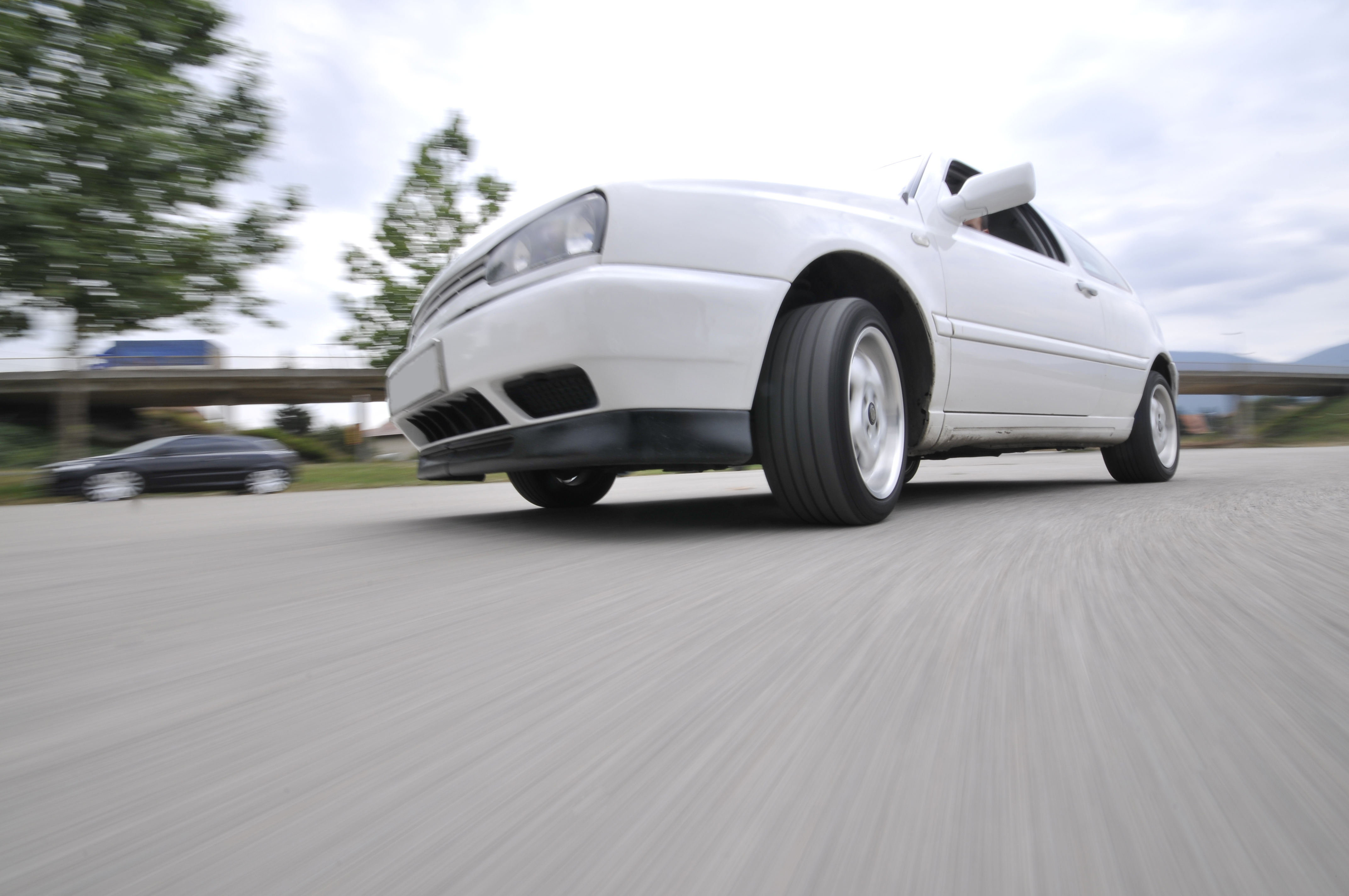
 When your car sits lower on one side, dips forward overnight, or visibly leans around corners, it’s never a harmless cosmetic flaw; it’s the first visible sign of critical air suspension failure. Vehicles like the 2009 through 2016 BMW 7-Series and the 2010 through 2014 Audi Q7 are especially vulnerable to early sag due to worn rear air springs and aging compressors. In Hayward, with its frequent elevation shifts and pothole-heavy intersections, an uneven vehicle poses real danger to handling and braking stability. Drivers may overlook these issues during normal speeds, but evasive maneuvers or hard stops can rapidly trigger suspension collapse. When the system can’t hold pressure, your luxury car doesn’t just ride poorly; it risks bottoming out at highway speeds.
Air Struts Fail First And Drag Everything Else Down With Them
Every air suspension system relies on flexible rubber bladders at each wheel that hold compressed air, and over time, those bladders become brittle, cracked, or punctured from age and exposure to road grime. On 2012 through 2016 Range Rover models, we’ve repeatedly diagnosed rear strut leaks that force the compressor to cycle far more often than designed, wearing it out prematurely. Once the compressor burns out, the vehicle will drop entirely onto the bump stops, making the ride unsafe and nearly undriveable. Because the compressor is responsible for supplying the entire system, failure there usually results in front and rear struts deflating at different rates. Most Hayward drivers only notice once the ride becomes jarring, but by then, the repair cost has usually doubled.
Control Module Faults Hide Until They Cause Suspension Chaos
Vehicles with modern air suspension systems use a central height control module to process sensor input and adjust ride height in real time, but these modules are prone to hidden electrical failures that don’t always trigger dashboard alerts right away. In the 2011 through 2017 Mercedes S-Class, for instance, moisture intrusion around the control module often leads to erratic height behavior where one corner lowers unexpectedly while the rest of the vehicle remains level. In our San Leandro shop, we’ve traced multiple issues back to faulty ground connections and degraded potentiometers that confuse the system and override driver inputs. When these modules fail silently, owners often assume the struts are leaking when the problem is actually electronic, meaning the wrong parts get replaced first.
Valve Blocks And Relays Can Destroy Ride Quality In One Afternoon
Valve blocks manage where air flows to each wheel, and when they stick or clog due to contaminated air or corroded seals, one side of the car might sag while the other remains inflated. In 2008 through 2014 Audi A8s, this problem often appears after sitting for long periods or following weather-related electrical shorts. Many shops overlook the valve block entirely, replacing struts or compressors without realizing the valve is stuck closed and preventing inflation. Similarly, burned-out compressor relays cause inconsistent operation and can be hard to trace unless proper current draw testing is performed. At Precision Auto Care, located in San Leandro and serving Hayward, we check these parts in sequence to avoid guessing and wasting our customers’ money.
Compressor Failures Often Signal Deeper System Problems
The air compressor is not the system’s weak point; it’s the canary in the coal mine, often overworking itself to compensate for another component’s failure. When 2010 through 2016 BMW X5s begin running the compressor for extended periods after startup, the issue is rarely the compressor itself; it’s usually a leaking air spring or internal valve fault causing slow air loss overnight. Once burned out, the compressor cannot be rebuilt or revived, leaving the vehicle resting on bump stops and setting off multiple electronic faults. If you’ve heard a loud whine near the front bumper or noticed the car leaning after sitting for a few hours, your compressor is likely working overtime and won’t last much longer.
Aftermarket Conversions Create Problems You Didn’t Pay For
Many drivers in Hayward consider coil spring conversions when air suspension costs rise, but those conversions come with serious tradeoffs, especially in newer Land Rovers and high-performance SUVs. Removing air ride eliminates adaptive damping and can trigger permanent warning lights unless the system is recoded or bypassed using trick modules. In many cases, the ride quality drops significantly, and vehicle resale value is affected once buyers see that original equipment has been removed. Our approach is to evaluate the system on a case-by-case basis, using brand-specific diagnostic platforms like BMW ISTA+, Mercedes Star, or Audi ODIS to determine whether a single component repair is more cost-effective and beneficial long-term.
What We Do Differently At Precision Auto Care
At our San Leandro facility, we take a systematic and data-driven approach to diagnosing air suspension faults on every vehicle that comes from Hayward. We pressure test individual air struts, thermal-scan compressors during load cycles, and use live ride-height data from manufacturer tools to simulate various failure modes. We never replace parts based on symptoms alone; instead, we recreate the fault under controlled conditions to ensure we’re solving the actual root cause. This eliminates unnecessary labor and ensures your car leaves our shop riding like it was engineered to. With air suspension, guessing is expensive and often irreversible.
You Don’t Get A Second Chance When The Suspension Collapses
Ignoring a small lean today could result in a full system shutdown tomorrow, leaving you stranded or worse, damaging your frame, sensors, or braking systems. If you live in Hayward and you’ve seen signs of air suspension trouble, do not wait for it to become a roadside emergency. Call Precision Auto Care in San Leandro at (510) 351-8211 and get the kind of expert diagnostic support that keeps luxury vehicles riding smooth, level, and safe.