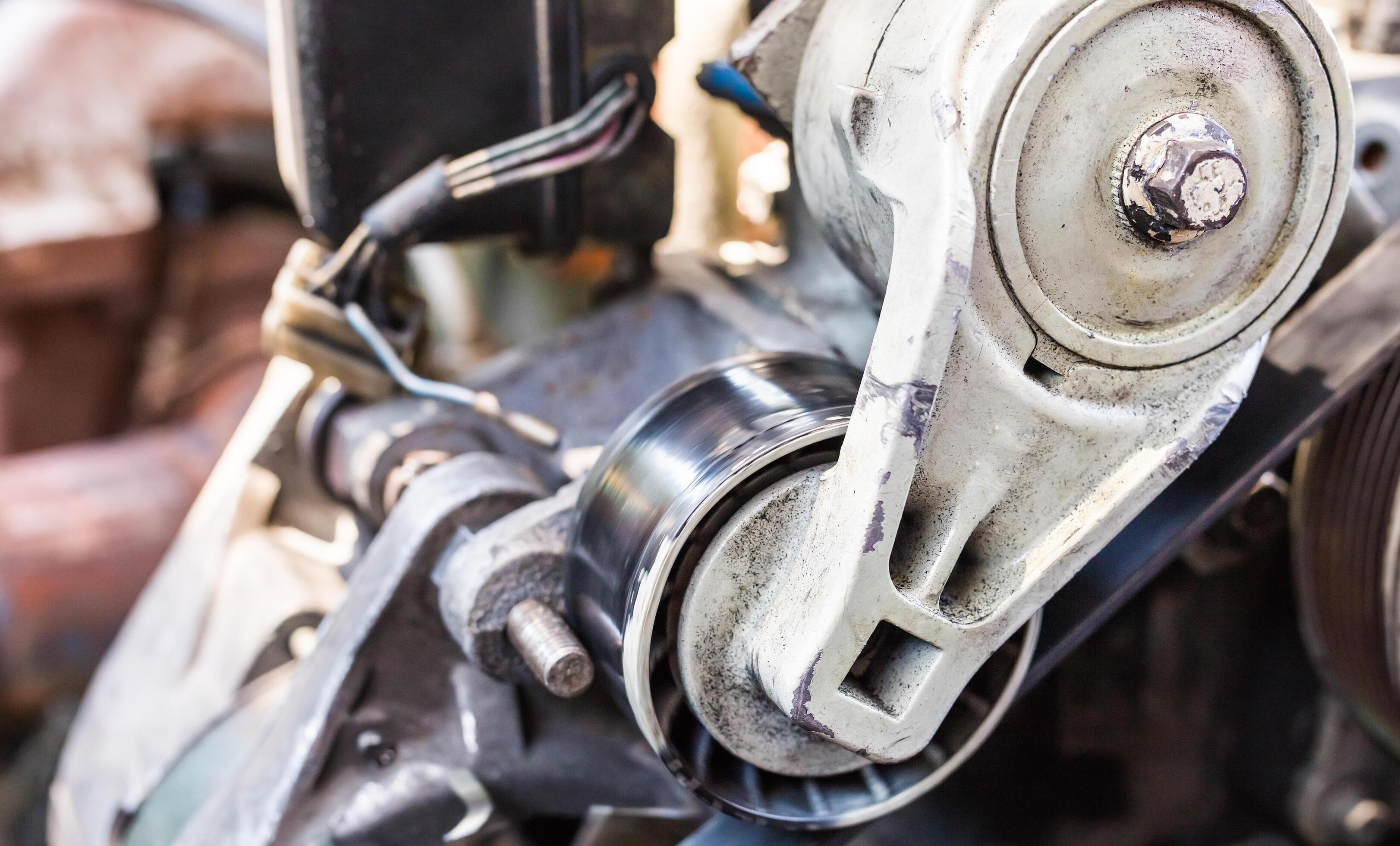
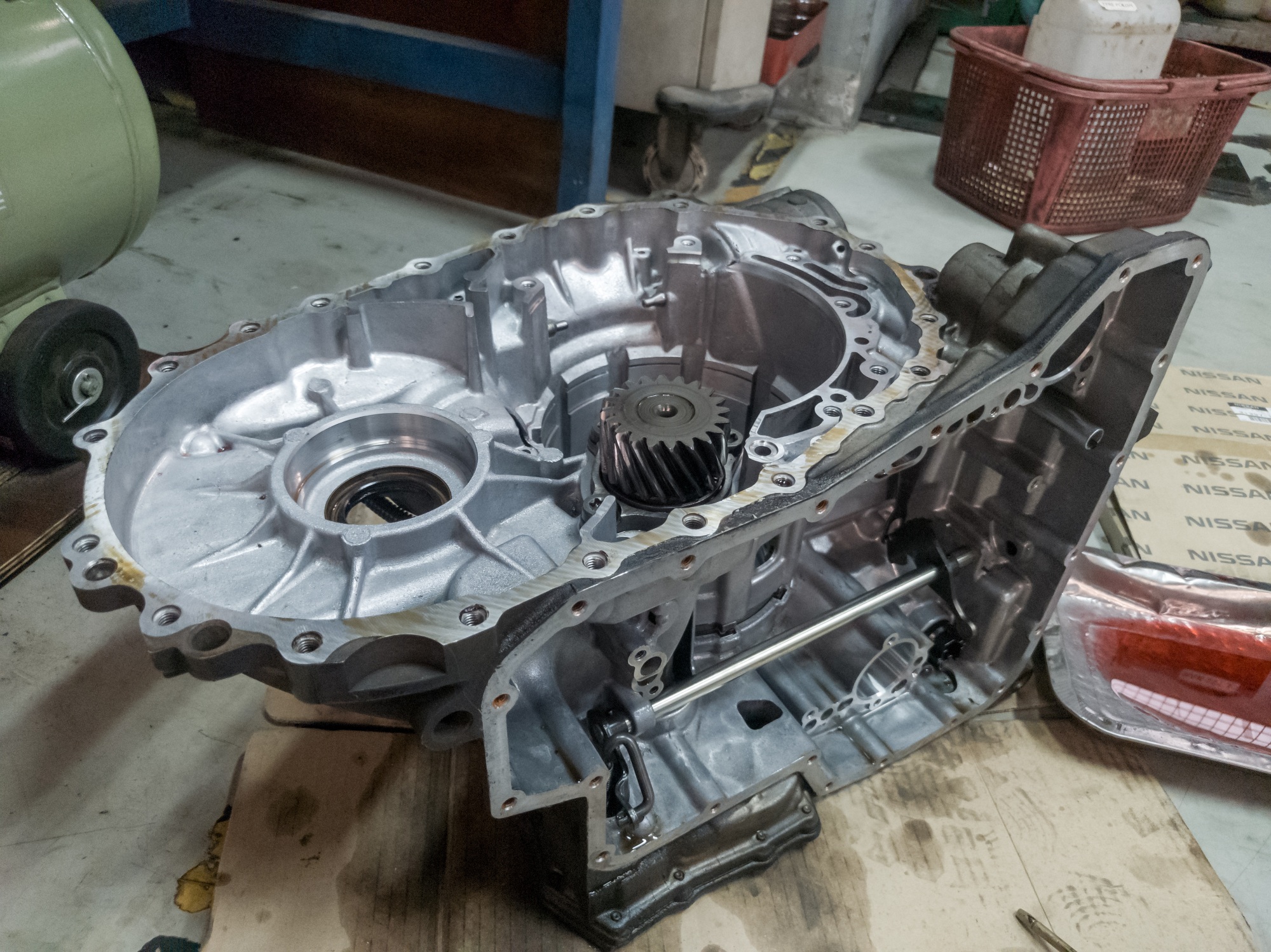
 If you’ve ever pressed the gas pedal and heard your engine surge while your vehicle stayed sluggish or slow, you’ve likely encountered one of the earliest signs of transmission slipping. This issue frequently affects late-model vehicles such as 2015 to 2019 Ford Escapes and Honda Civics, both of which use transmissions vulnerable to internal pressure loss and clutch pack wear. Drivers in San Leandro may dismiss this symptom as a fluke, especially when it’s intermittent, but the underlying problem tends to worsen rapidly under daily city driving conditions. Without proper hydraulic pressure, the torque converter’s performance fails to deliver power to the wheels, causing performance loss and increased wear. Acting quickly on these early indicators can mean the difference between a small repair and a complete transmission replacement.
Transmission Delay Is Not Lag, It’s a Mechanical Warning
Many drivers feel a short hesitation when shifting into Drive or Reverse and assume it’s normal, but that delay is often the transmission struggling to engage. In 2014 through 2018, Honda Accords and similar model-year Nissan Altimas, these pauses usually point to internal belt or clutch wear within continuously variable transmissions. San Leandro’s urban traffic patterns make these hesitations more noticeable because the vehicle is shifting more frequently under stop-and-go conditions. If the car needs two or more seconds to begin moving after shifting into gear, it is not lag—it is likely a form of slippage. That delay, left untreated, signals that a heat and pressure imbalance has already begun eroding internal components.
Warning Lights Are Unreliable When It Comes to Transmission Issues
Even if your dashboard shows no warning lights, your transmission may still be failing internally, as many slipping issues do not immediately trigger diagnostic trouble codes. For example, 2016 to 2020 Jeep Cherokees often exhibit clear symptoms of slippage without triggering a check engine light or throwing transmission-related codes. That’s why drivers in San Leandro should not wait for a dashboard alert before scheduling a diagnostic, especially when symptoms like rough shifts or delayed acceleration appear. When warning lights do appear, they often reflect broad codes such as P0730 for incorrect gear ratios, which require deeper inspection to decode accurately. We use live data scans and test drives to reveal what software alone may miss.
Transmission Fluid Is a Diagnostic Window into Internal Health
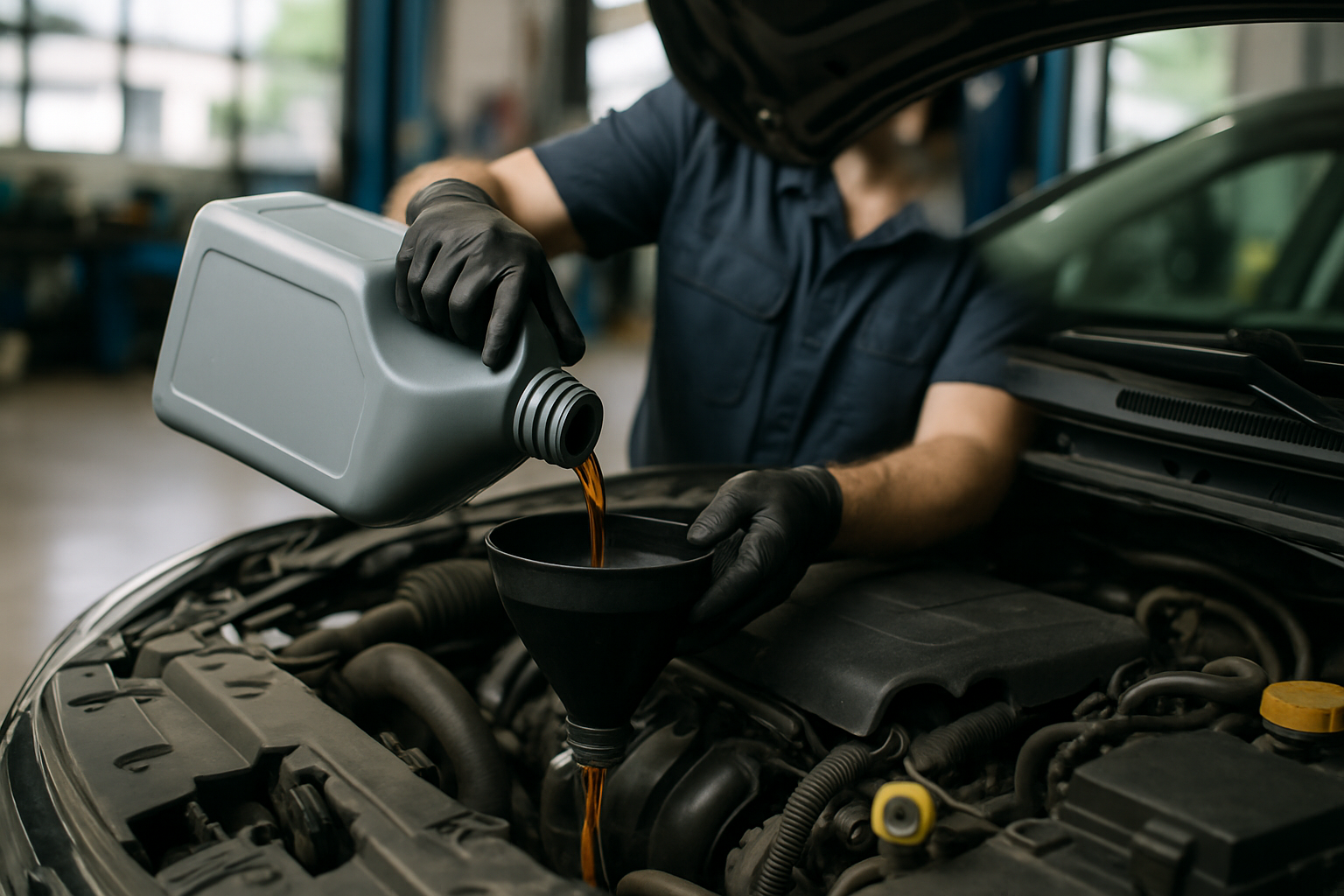
When fluid looks dark or smells burnt, it is almost always a sign that the transmission is overheating or slipping internally, rather than just needing a routine flush. In 2012 to 2017, Toyota Camrys, for example, often experienced fluid burning, which stems from valve body degradation, which can allow heat to accumulate and damage the internal seals. Fluid inspection remains one of the most valuable diagnostics we perform in our San Leandro shop, since it reveals the level of internal friction and thermal stress without needing immediate disassembly. A simple fluid check can often tell us whether the system is recoverable or already in advanced failure. When the fluid is oxidized or smells like charred plastic, repairs need to happen fast to avoid irreversible damage.
Modern Transmissions Sometimes Fail from Software, Not Parts
In many cases, what feels like mechanical slippage is actually caused by transmission control module glitches or outdated firmware, which manipulate gear timing and pressure settings electronically. We’ve seen 2016 to 2020 Hyundai Sonatas experience erratic shifting that was resolved with a TCM software reflash, rather than a rebuild or replacement. Precision Auto Care in San Leandro routinely includes software checks as part of every slipping transmission inspection to prevent unnecessary mechanical intervention. Most quick-service auto shops skip this diagnostic layer entirely, which is why many customers receive incomplete or incorrect diagnoses. If a reflash or reset can correct shifting behavior, that’s always our first step before recommending major repairs.
Delaying Service Can Multiply Damage Quickly
The window to correct transmission slippage is usually short because small problems, such as seal leaks or pressure loss, accelerate into full component failure within just a few hundred miles. In San Leandro traffic, the frequent acceleration and braking cycle creates heat, pressure surges, and fluid shearing that make conditions even worse for a vulnerable transmission. Once internal clutch packs are exposed to elevated heat or friction, they begin to degrade exponentially, damaging the valve body and planetary gear set. At that point, repair costs often exceed the car’s market value, especially for older vehicles without extended warranty coverage. Delaying service isn’t just risky—it’s often financially reckless.
What We Check That Other Shops Skip Entirely
At Precision Auto Care in San Leandro, every suspected transmission slippage case goes through a five-stage diagnostic process that covers fluid inspection, scan analysis, road test, pressure testing, and physical pan inspection. Unlike most repair chains that rely solely on computer codes, we combine hands-on mechanical insight with advanced diagnostic tools to trace the exact cause of symptoms. For example, line pressure tests can reveal failing pump seals or sticking solenoids that would be completely invisible through software alone. We don’t just recommend rebuilds—we verify when they are necessary and when less invasive options can restore performance. That’s how we help customers save money and keep their vehicles on the road longer.
Take Action Before You’re Parked for Good
When your transmission starts slipping, your vehicle isn’t just behaving differently—it’s entering a critical failure mode. In San Leandro, where short trips and frequent stops increase thermal stress, the risk compounds every day you delay diagnosis. If your car is hesitating, revving high without speed, or shifting erratically, now is the time to act, not next week. Call Precision Auto Care at (510) 351-8211 today to schedule a full transmission inspection before a manageable issue becomes a mechanical crisis. Transmission failure doesn’t give second chances, but fast action does.