 Honda drivers expect smooth handling, solid performance, and long-term dependability. But no car is perfect. If your transmission slips, your brakes pulse, or your engine burns oil faster than it should, you might be facing one of the well-documented problems that affect specific Honda models. These aren’t just inconveniences. Left alone, they lead to major repairs and expensive breakdowns. At Precision Auto Care in San Leandro, we don’t just fix problems—we prevent disasters. Here are five of the most common Honda issues and how we resolve them.
1. Transmission Failures in 1998–2004 Honda Models
Some Honda transmissions fail long before they should. If your Accord, Civic, Odyssey, or Prelude from 1998–2004 shifts roughly, delays engagement, or suddenly downshifts, it’s not a fluke. It’s a known issue. The root cause is a failing third-gear clutch pack. Over time, the clutch material breaks down, contaminating the transmission fluid and clogging vital oil passages. The result: overheating, gear slippage, and total transmission failure.
At Precision Auto Care, we don’t gamble with transmission issues. We start with a full diagnostic, checking for fluid degradation, internal wear, and error codes. If damage is severe, we rebuild the transmission with reinforced clutch materials and an upgraded cooling system to prevent overheating. If the issue is caught early, a transmission flush and high-performance fluid replacement can extend its lifespan.
2. Engine Block Cracks in 2006–2009 Honda Civics
Is your coolant disappearing or is your engine overheating without warning? You could have a cracked engine block. The 2006–2009 Honda Civics have a known defect where hairline cracks develop in the aluminum engine block, leading to slow but steady coolant leaks. Eventually, the engine overheats, warping cylinder heads, blowing gaskets, and causing catastrophic engine failure.
We don’t take chances with overheating. Our technicians use high-pressure leak tests and infrared thermal imaging to detect cracks before they become a crisis. If a crack is found, we replace the engine block with an updated version that eliminates the defect. We also install fresh head gaskets, pressure-test the cooling system, and ensure your Civic is ready for the long haul. If overheating has already caused damage, we perform full engine rebuilds to restore performance and prevent future failure.
3. Premature Brake Wear in 1999–2004 Honda Odyssey
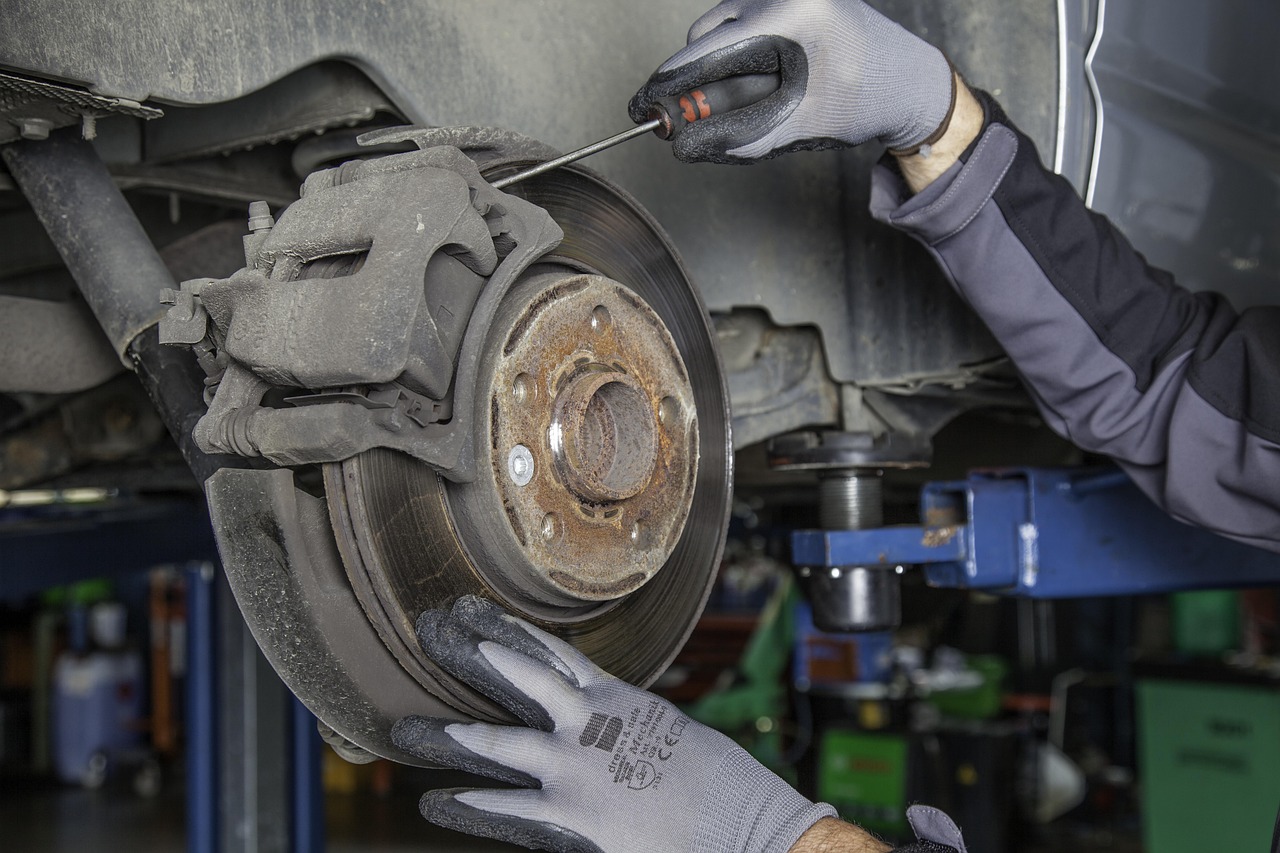
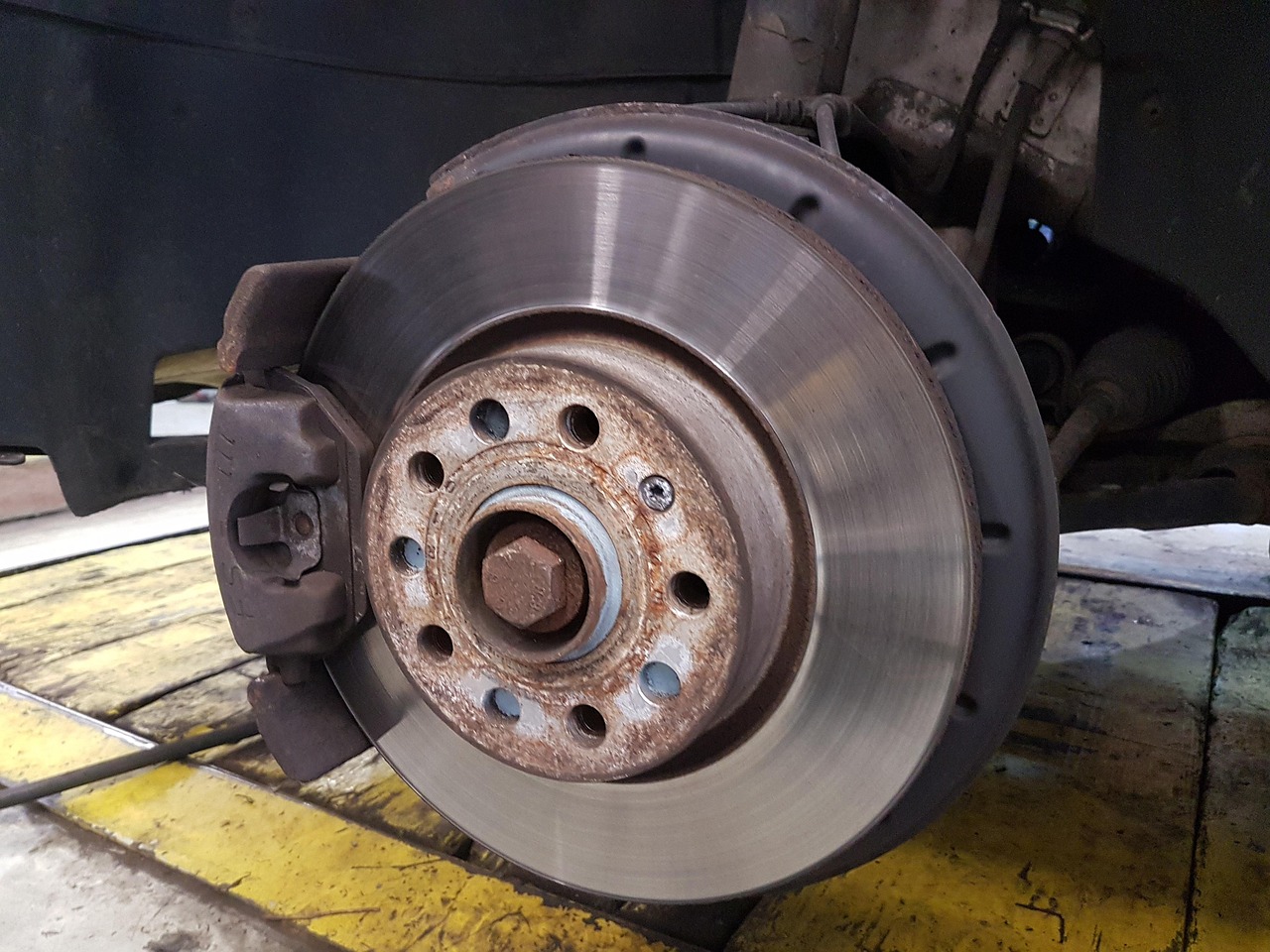
Does your Honda Odyssey shake when you hit the brakes? That’s not normal. The 1999–2004 Odyssey is notorious for premature brake rotor wear. The problem stems from the vehicle’s weight and a braking system that wasn’t designed to handle the load. Excessive heat buildup causes the rotors to warp, leading to vibrations and reduced braking efficiency.
At Precision Auto Care, we don’t just replace rotors—we upgrade them. We install high-performance vented rotors that dissipate heat more effectively and ceramic brake pads that last longer and resist glazing. If your calipers are sticking, we clean and lubricate the guide pins to restore smooth operation. Your Odyssey needs stopping power, and we make sure it has it.
4. Air Conditioning Compressor Failures in 2002–2006 Honda CR-V
A Honda CR-V should keep you cool, but if you’re only getting warm air from the vents, you might have a failing AC compressor. Between 2002 and 2006, many CR-Vs suffered from compressors seizing, sending metal debris through the entire AC system. Once that contamination spreads, the expansion valve clogs, the condenser fails, and the whole system shuts down.
We don’t patch failing AC systems—we fix them right. Our process starts with a complete system flush to remove any contamination. We replace the compressor, condenser, and expansion valve with high-quality components designed to prevent repeat failures. After recharging the system to factory specs, we test for performance to ensure cold air flows strong and steady.
5. Excessive Oil Consumption in Honda V6 Engines
If you’re constantly adding oil between changes, you might have a bigger problem. Honda’s Variable Cylinder Management (VCM) system, used in many V6 engines, deactivates certain cylinders during light driving to improve fuel efficiency. But this system creates uneven wear, leading to premature piston ring failure. Once the rings degrade, oil seeps into the combustion chamber and burns off, reducing engine performance and increasing wear.
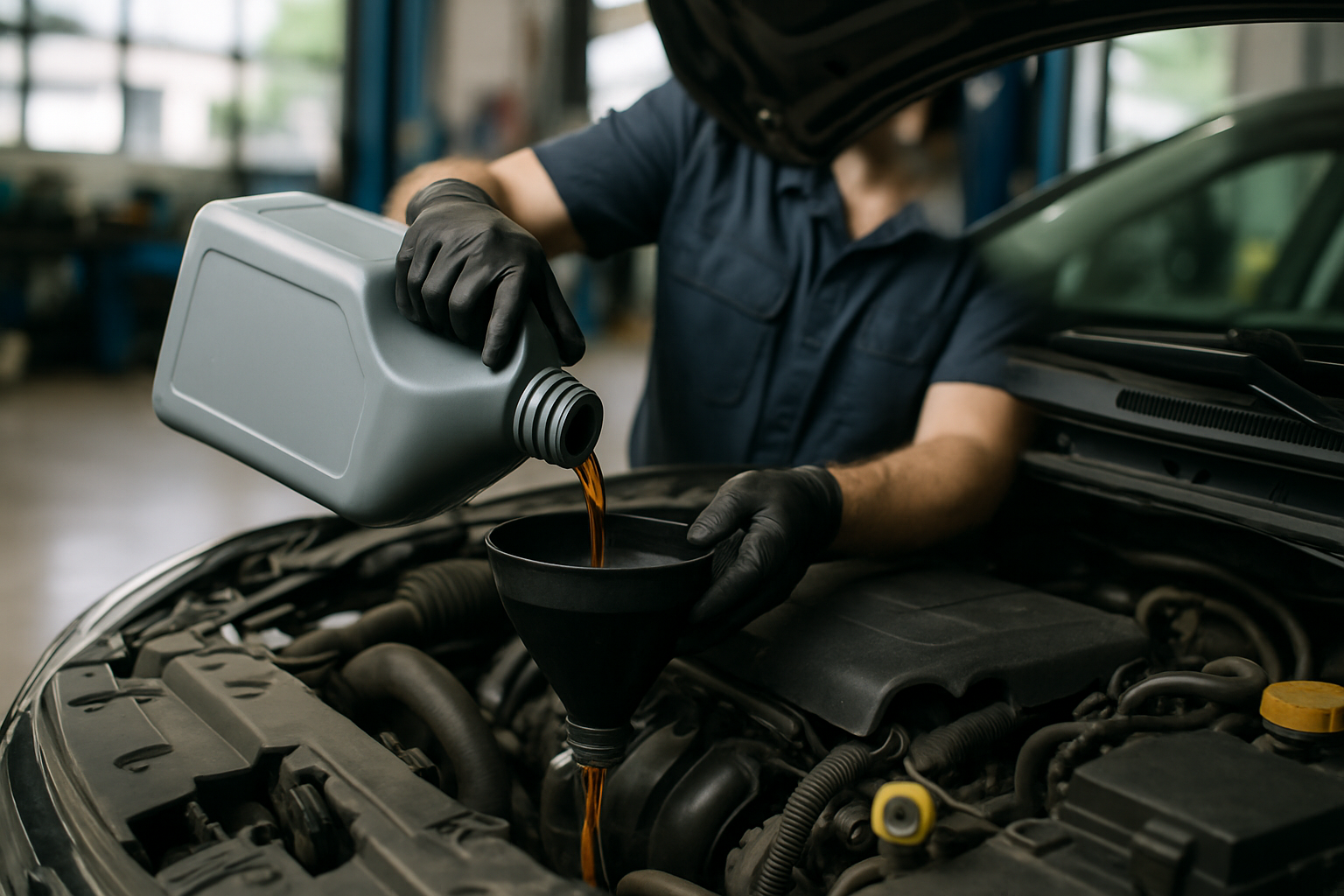
At Precision Auto Care, we take a two-pronged approach to this issue. First, we offer VCM disabling services to keep all cylinders active, reducing piston ring stress and preventing excessive oil consumption. If the damage is already done, we replace worn piston rings and clean out carbon buildup from the intake system. We also recommend switching to high-quality synthetic oil, which resists thermal breakdown and protects the engine better than conventional options.
Your Honda is built to last, but only if you take care of its weak spots before they turn into disasters. At Precision Auto Care in San Leandro, we don’t wait for failures to happen—we stop them in their tracks. If your transmission is slipping, your engine is running hot, or your brakes aren’t as strong as they used to be, don’t wait until the problem gets worse. Call (510) 351-8211 today to schedule an appointment. We proudly serve Honda owners in San Leandro, Hayward, San Lorenzo, and Oakland.