 A Porsche Cayenne isn’t just an SUV. It’s a high-performance machine with a braking system designed for speed, power, and precision. When that system starts failing—whether it’s a stiff pedal, an ABS warning, or a squeal that won’t quit—you lose confidence in your brakes. And that’s not an option.
At Precision Auto Care in San Leandro, we specialize in fixing Porsche Cayenne brake problems for drivers in Hayward, San Lorenzo, and Castro Valley. We know these vehicles inside and out. We diagnose issues fast and fix them right—the first time.
1. Brake Squeal That Won’t Stop
A Porsche Cayenne’s brakes are built for serious stopping power. High-performance pads, aggressive rotors, and massive calipers all work together to bring this heavyweight SUV to a halt. But sometimes, those same components create an ear-piercing squeal, especially on models like the 2019 Cayenne Turbo with ceramic or semi-metallic pads.
The problem? High-friction materials in performance pads generate noise, especially at low speeds. If the pads don’t seat properly or the rotor surface develops glazing, the squeal gets worse. Some noise is normal, but if it sounds like nails on a chalkboard every time you brake, it’s time for a fix.
At Precision Auto Care, we take a three-step approach:
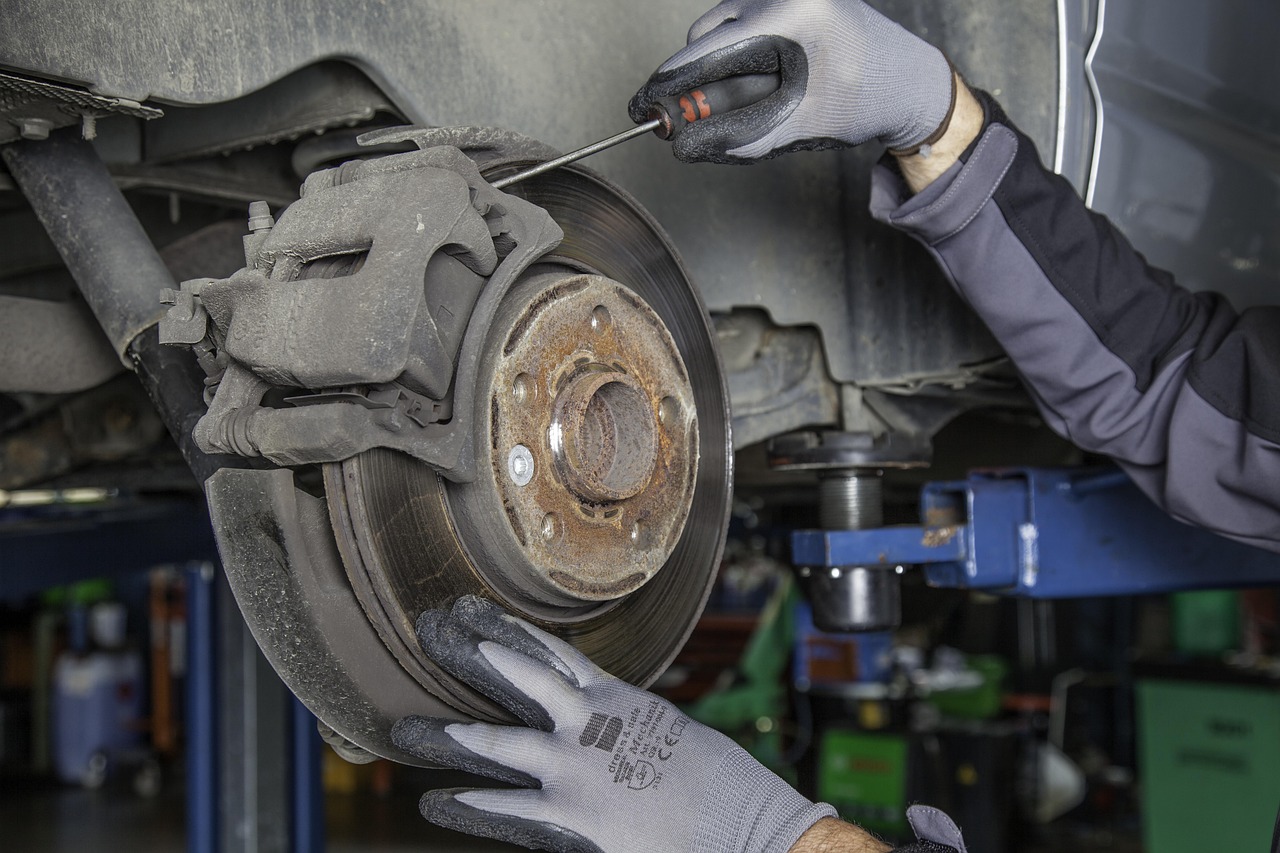
– Inspect and Resurface: We check for uneven rotor wear and apply precision resurfacing if needed.
– Apply Anti-Squeal Lubrication: We coat key contact points with high-temperature anti-squeal lubricant.
– Install Noise-Reducing Pads: We offer performance brake pads that deliver the same stopping power without the constant screech.
After our service, your brakes will perform at their best—without waking up the entire neighborhood.
2. Stiff Brake Pedal? Blame the Booster
A brake pedal should feel firm, but if you have to put your whole body weight into stopping, something’s wrong. Many first-generation Cayenne models, like the 2005 Turbo, suffer from brake booster failures.
The brake booster amplifies the force you apply to the pedal using vacuum pressure. If the vacuum pump fails or a leak develops in the vacuum hose, the booster loses pressure. That means braking requires more force, and stopping distances increase. In extreme cases, a “Brake Booster Faulty” warning appears on the dashboard.
We fix this by:
– Inspecting the vacuum pump and hoses for cracks, leaks, or blockages.
– Replacing damaged vacuum lines to restore pressure.
– Installing a new brake booster if the diaphragm inside has failed.
When we’re done, your brake pedal will feel like new—responsive, smooth, and ready to stop on command.
3. ABS Warning Light and Sensor Failures
Modern Porsches rely on advanced braking technology. The Anti-lock Braking System (ABS) prevents skidding, while Porsche Traction Management (PTM) and Porsche Active Suspension Management (PASM) fine-tune handling. But when a Cayenne’s ABS warning light turns on, these systems start shutting down.
The problem usually comes down to a faulty wheel speed sensor. In Cayenne models from 2011 to 2017, dirt, corrosion, or electrical failures can disrupt the signal from these sensors. When the ABS system can’t read wheel speed correctly, it disables itself—along with the stability and traction systems that rely on it.
At Precision Auto Care, we diagnose the exact sensor causing the problem, replace it with an OEM or better-quality part, and reset the system. Once complete, your ABS, traction control, and stability functions return to full power.
4. Warped Rotors and Uneven Pad Wear
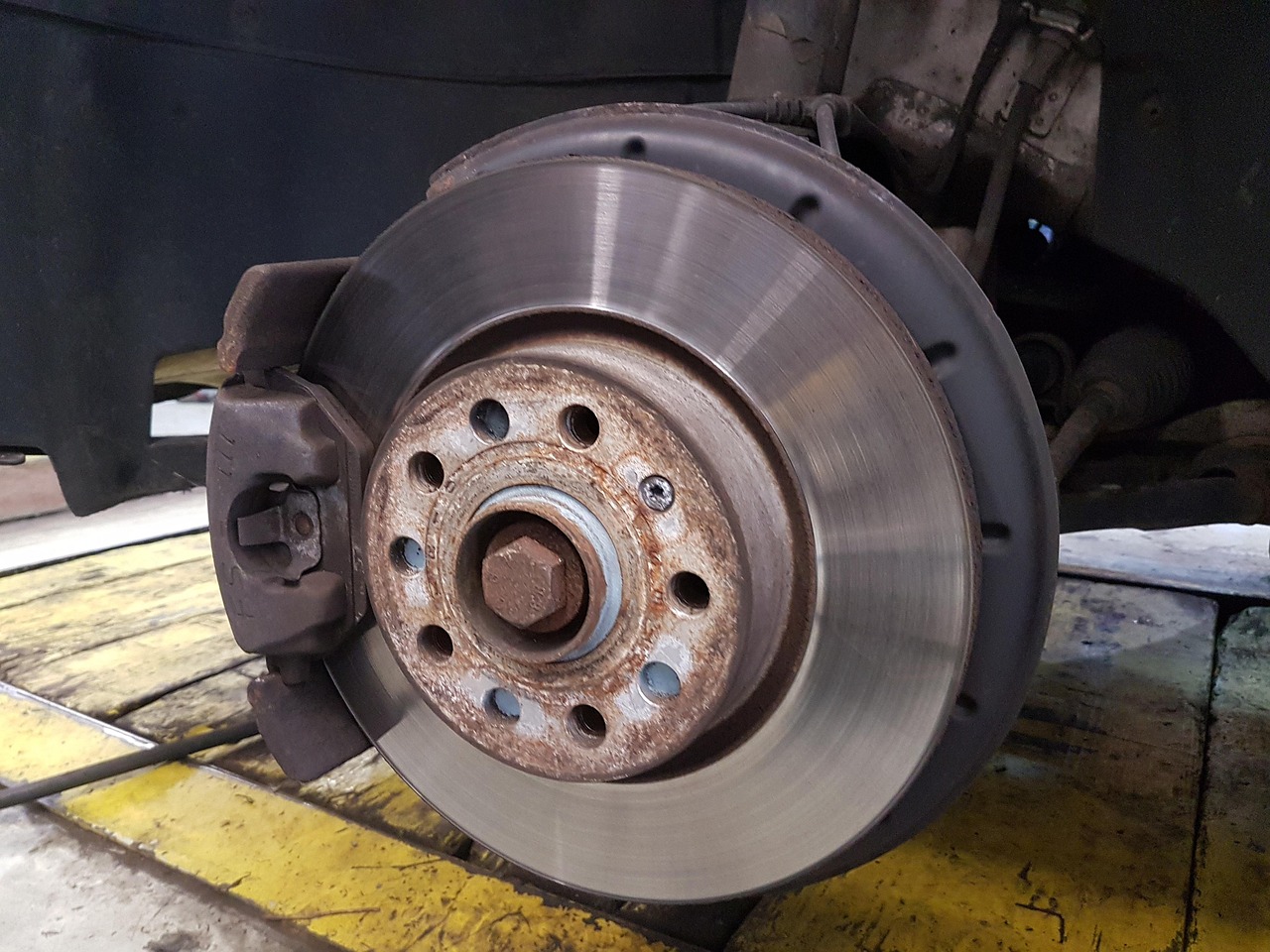
The Cayenne is fast, heavy, and demands a lot from its brakes. High-speed stops and frequent braking generate extreme heat, which can warp rotors and cause uneven pad wear. The result? A pulsating brake pedal, vibration under braking, and decreased stopping power.
Porsche recommends inspecting the brakes every 5,000 miles. If left unchecked, worn pads can dig into the rotors, creating grooves that weaken braking performance. Our solution is simple:
– Measure rotor thickness and check for warping. If the rotors exceed Porsche’s minimum thickness, we resurface them. If not, we replace them.
– Install high-performance brake pads. We use OE-spec or upgraded pads designed for even wear and reduced fade.
– Ensure proper bedding-in. This prevents future vibrations and extends brake life.
A perfectly smooth, vibration-free braking experience is what every Cayenne driver deserves.
5. Parking Brake Malfunctions
A Porsche Cayenne weighs over 4,500 pounds. If the parking brake isn’t holding, that’s a big problem—especially on hills.
First-generation models use a foot-operated parking brake that engages a drum-in-hat system inside the rear rotors. Over time, the internal mechanism can seize up, making the brake ineffective. Newer models rely on an electronic parking brake, which can fail due to worn actuators or stretched cables.
Common signs include:
– Grinding noises when engaging or releasing the parking brake.
– A loose pedal or switch with no resistance.
– The Cayenne rolls when parked on an incline.
We inspect, adjust, and replace worn components to restore full parking brake function. Whether it’s a seized mechanical brake or a failed electronic actuator, we make sure your Cayenne stays put when it’s supposed to.
Get Your Cayenne’s Brakes Fixed—The Right Way
Porsche Cayenne owners in Hayward, San Lorenzo, and Castro Valley trust Precision Auto Care for expert brake repairs. We know these braking systems inside and out, and we fix them with precision and high-quality parts. If your brakes are making noise, feeling weak, or triggering warning lights, don’t wait until the problem gets worse.
Brake problems don’t go away on their own. Call Precision Auto Care today, schedule an appointment, and get your Porsche Cayenne stopping like new again.