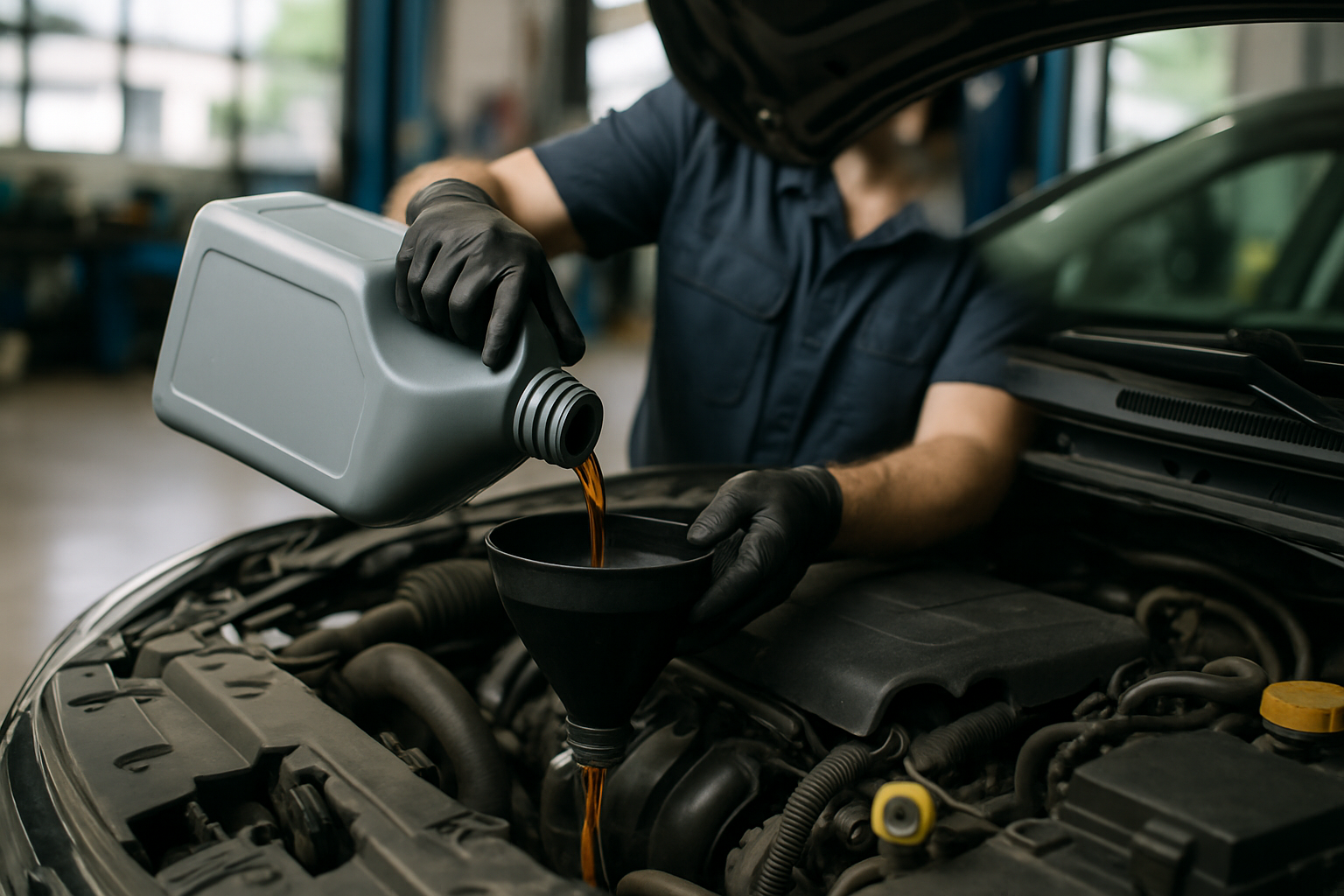
 Most drivers need oil changes and tire rotations twice yearly, about every 5,000 miles. While your car is in our shop for this service, we can do a quick brake inspection. Since the vehicle is on our service rack for the oil change, we can check for brake system leaks simultaneously. When the wheels are off for tire rotation, we can check for road dirt buildup, rust, and brake wear. This way, you can be sure your vehicle is safe to drive.
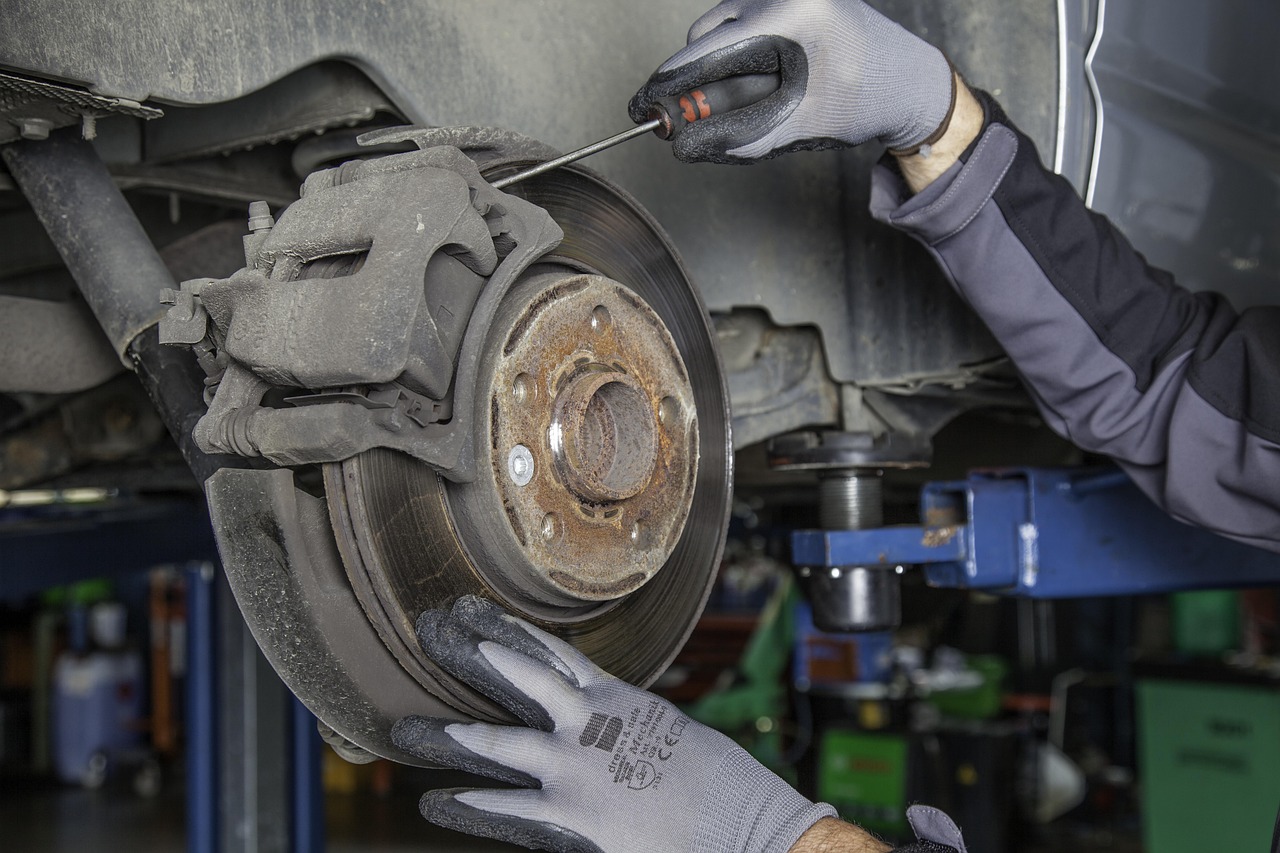
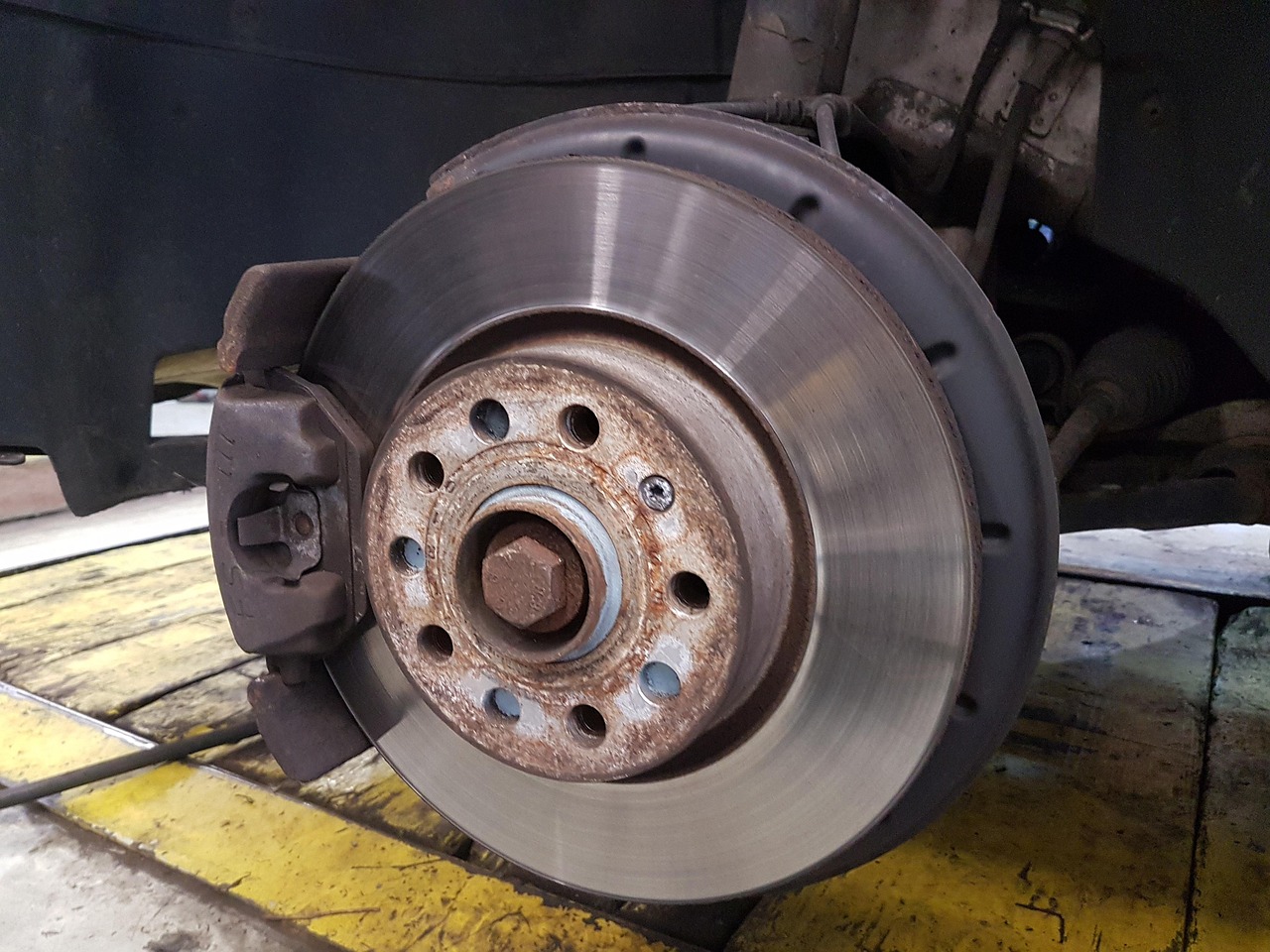
Brake components wear down as they change your car’s energy to heat. The brake rotor bolts to the wheel. Brake pads, located in calipers, clamp against the rotors with pressure from the pistons inside the caliper. The friction generated decelerates the disc rotation, slowing the car. Besides slowing down your car, you lose a small amount of material every time you brake.
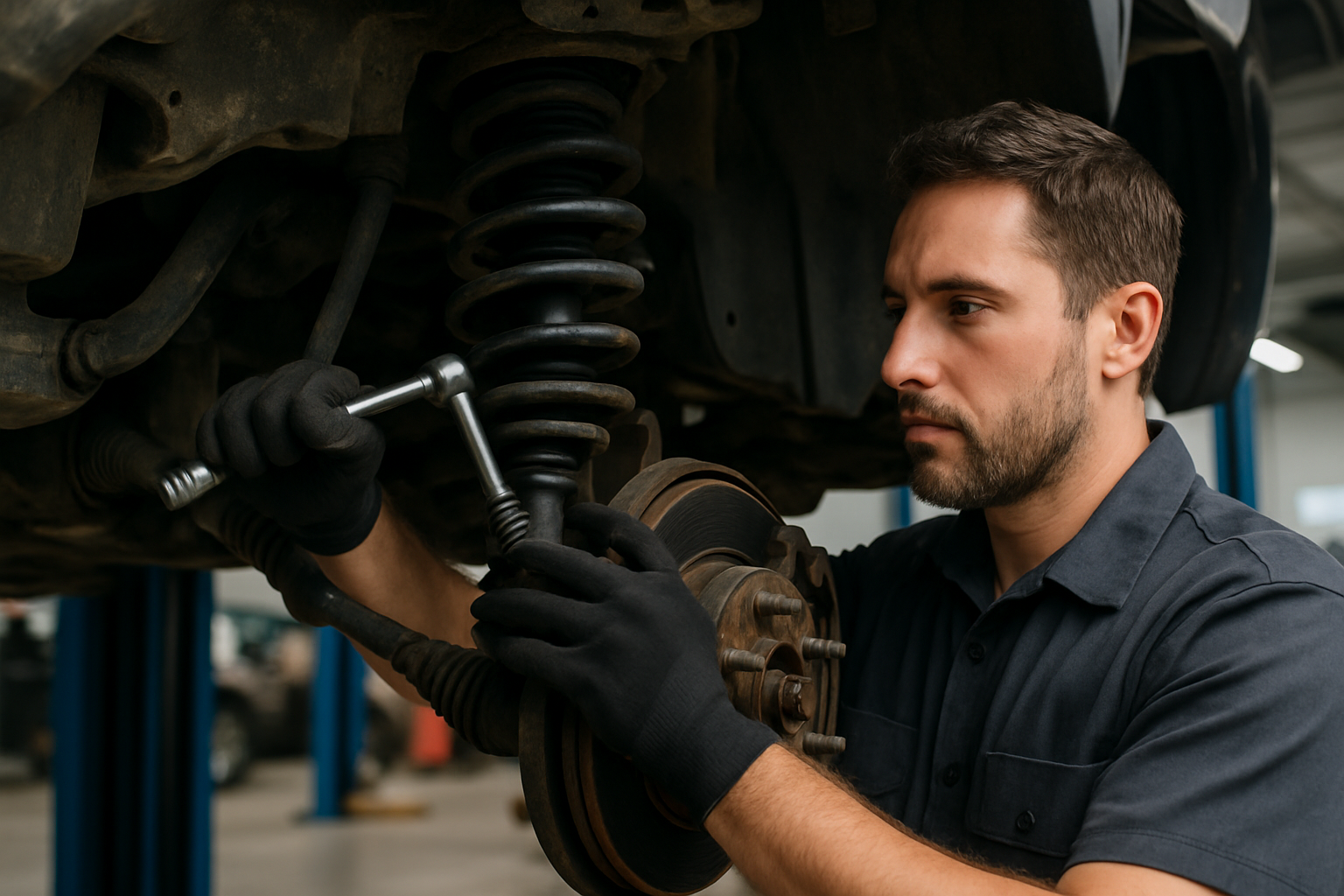
When we inspect the brake components in the wheel area, we check the thickness of the pads and rotors. If they are below factory recommendations, we recommend replacement. Over miles since the last brake job, contamination builds up in the caliper piston/brake pad area. Contamination buildup can result in slow-acting or even seized caliper pistons, resulting in unsafe brakes. The seals to prevent brake fluid leaks deteriorate over time. We will remedy these problems by rebuilding the caliper.
The master cylinder reservoir holds most of the fluid in your braking system. The master cylinder connects to the brake pedal by a lever. Pressing the brake pedal forces a piston in the master cylinder to push brake fluid down four lines sending equal pressure to all wheels. The master cylinder uses hydraulic principles to increase the force you bear on the brake pedal. The master cylinder has seals to hold in fluid, but over time and miles, leaks can develop. We will inspect these components and recommend replacement where necessary.
Your brake fluid requires regular replacement. This fluid conveys brake pedal force to the caliper pistons. Brake fluid needs an elevated boiling point to tolerate the heat generated by braking. Hot brake fluid easily absorbs water, resulting in a lowered boiling point of the brake fluid. This contamination by water causes rust inside critical brake parts. Old brake fluid can boil, giving you brake fade. Brake fade occurs when the pedal must travel farther for an equivalent amount of braking. For these reasons, your car requires a regular brake fluid drain and fill service.
We have dedicated brake repair experts. Call us or visit our website for a quote and book an appointment for a brake inspection or any service on your Ford Focus you require.