 How to Spot a Failing Toyota Prius Brake
Toyota Prius employs a regenerative braking system, which helps conserve energy and create electricity. The brake system makes it possible to maximize fuel economy and improve safe driving. However, the system tends to fail. Here are some of the signs to indicate a failing brake system:
Brake Light On
From close observation, there are two main reasons why your brake light indicator may appear. One reason is regular maintenance, while the other signifies a problem. Ensure you confirm if the indicator isn’t due to the parking brake. If it is, release the brake and confirm if the light goes off.
Squeaking or Squealing Noises
There are various reasons why a Toyota Prius makes squealing or squeaking noises. Nevertheless, one of the major reasons is due to a foreign object in the brakes. This foreign object may either be debris or tiny bits of metal. Sometimes, it may also mean the brake pad is faulty and needs replacement.
Vibration when Braking
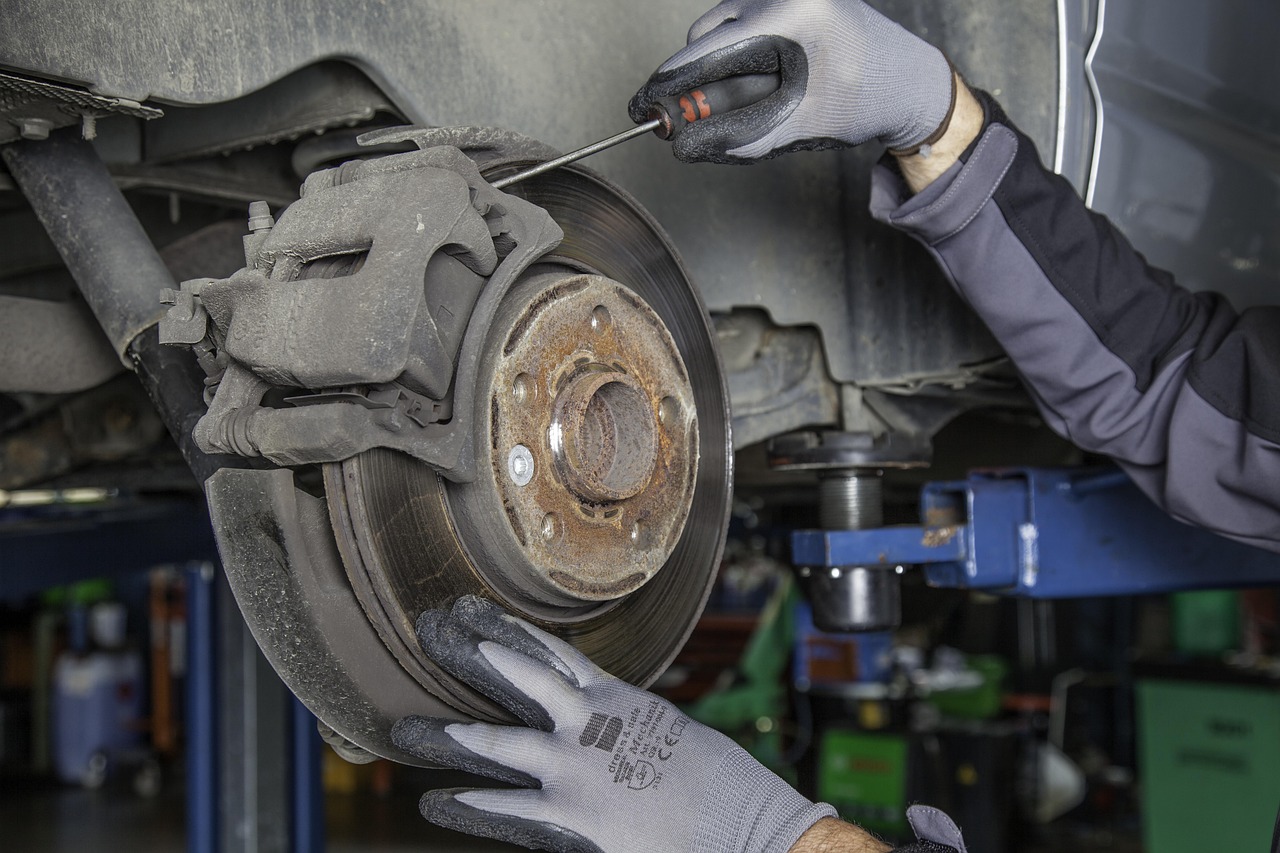
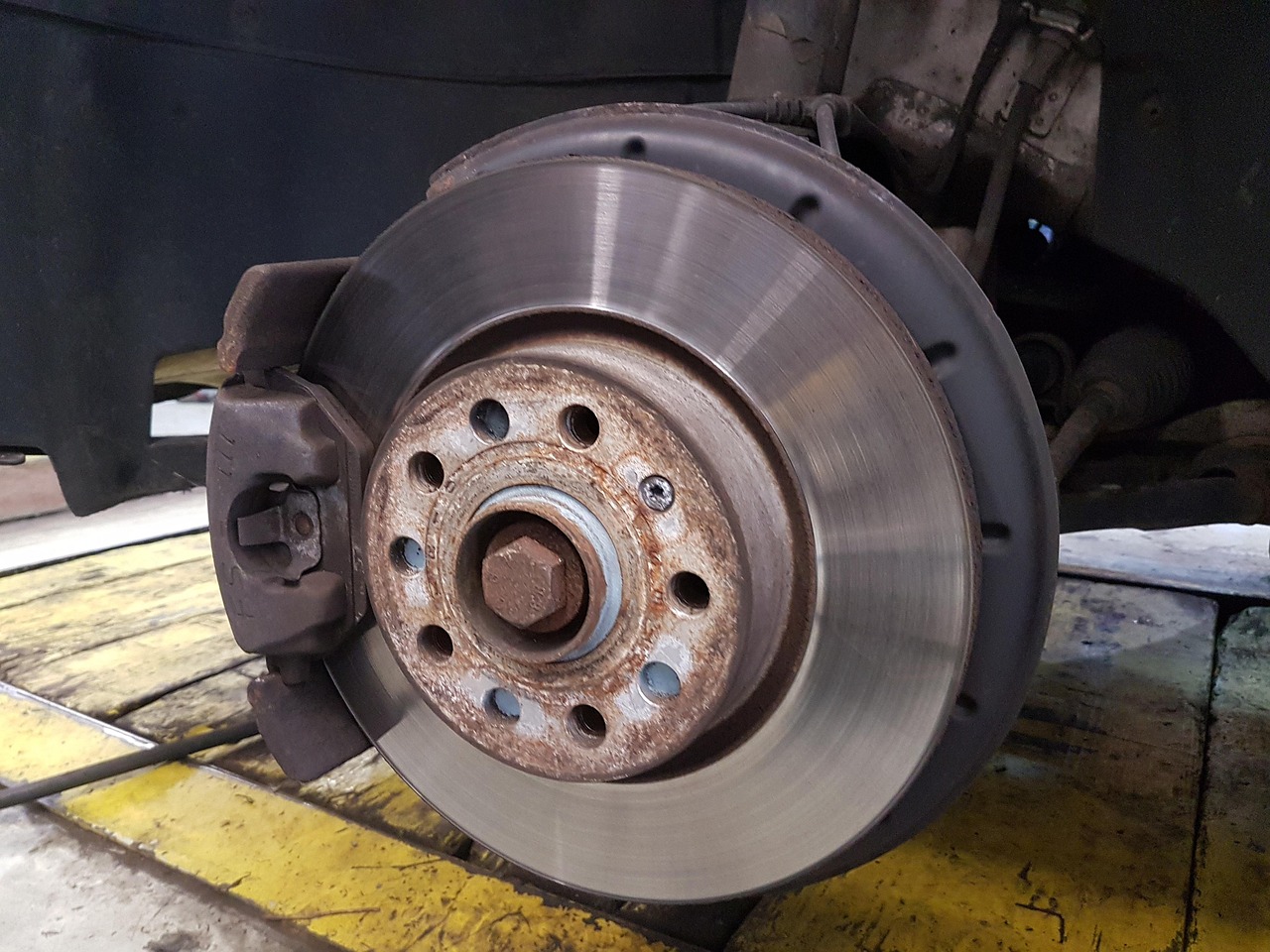
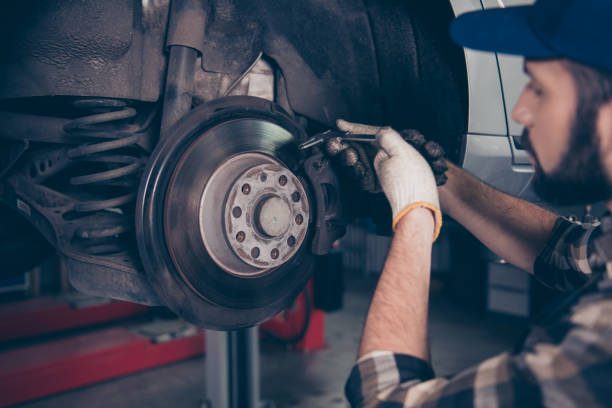
Once the thickness of your Prius’ rotor is uneven, the steering wheel may begin to shake or vibrate after pressing the brakes. The brake rotors are inside the wheels, and the brake pads typically push against them to stop the wheels. Hence, it’s normal for those rotors to become uneven or wear off.
Soft Brakes
Every time you press your Toyota Prius brakes, there should be a significant level of resistance. If the brakes are soft or the pedal touches the floorboard, there may be moisture in the brake system. Sometimes, it could also signify a fault with the master cylinder. For a proper system diagnosis, consult Precision Auto Care.
Leaking Fluid
During the braking process of the Toyota Prius, an imperative component is the brake fluid. This fluid helps create hydraulic pressure against the brake caliper. For such reason, if the vehicle doesn’t have any brake fluid, it becomes difficult to stop.
Burning Smells
In your car, a burning smell could indicate overheated brakes. If you are in this situation, pull over to a safe location, allow the brakes to cool, and consult an expert.
Why Your Toyota Prius Brake is Failing
Among the long list of possible causes of your brake failure, one of the significant ones is a damaged rotor disk. Overloading the car, overheating the brake pads, and loss of the hydraulic brake fluid pressure.
Avoid concluding the cause of your Prius’ brake failure without consulting an auto repair expert. We provide a detailed diagnostic check on brake systems to comprehend the fault and the contributing causes.
Dealing with a Toyota Prius C1256
When the pressure inside the Toyota Prius brake unit is poorly maintained, trouble code C1256 is set. You may hear a long buzzer from the car warning you of a brake failure. Once this happens, it also seems impossible for the car to go into regenerative braking. If you are in this situation, it’s imperative to take care of the brake accumulator first. However, to avoid confusion, speak to an auto repair expert.
Fix Your Toyota Prius Brake System in San Leandro, CA
When a brake failure happens, it’s imperative to remain calm and park in a suitable location. Avoid driving the car further once you observe problems with the Prius’ regenerative brakes.
Take the necessary steps to ensure your Toyota Prius is in good condition again. Consult Precision Auto Care in San Leandro, CA, for your brake problems. We offer brake repair services critical for the safe operation of the vehicle. Contact us through email at pa***@*****ca.com or phone (510) 351-8211.