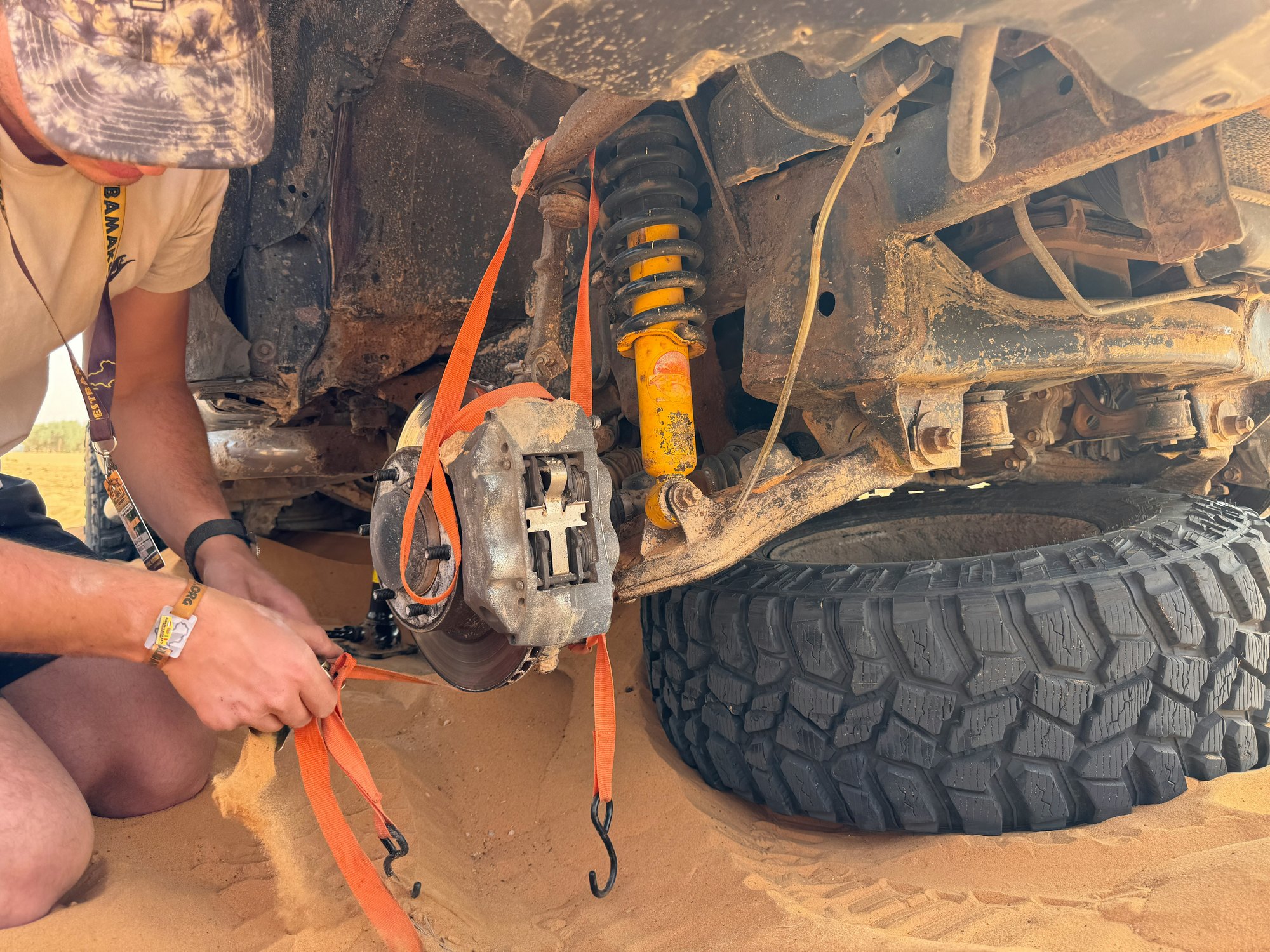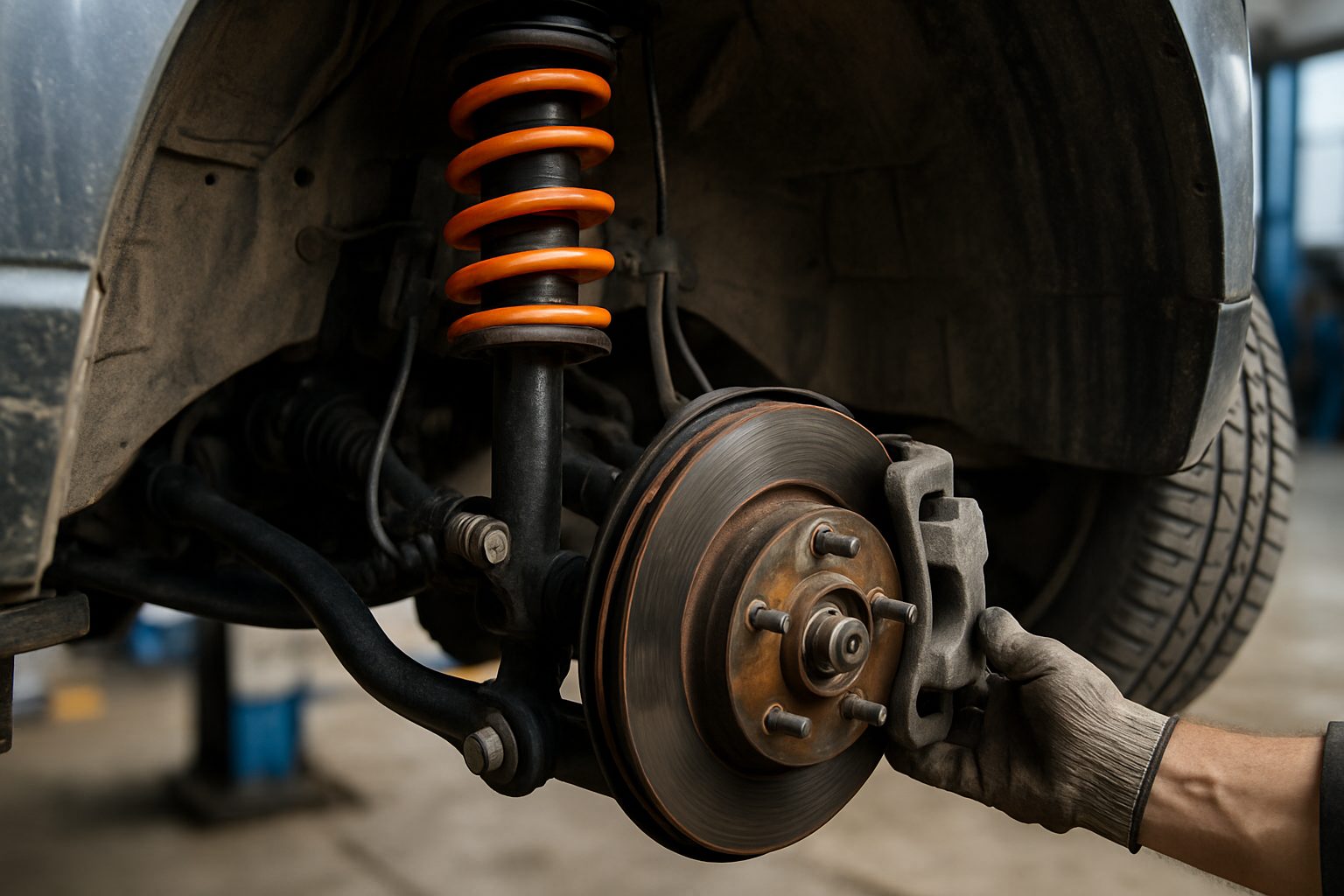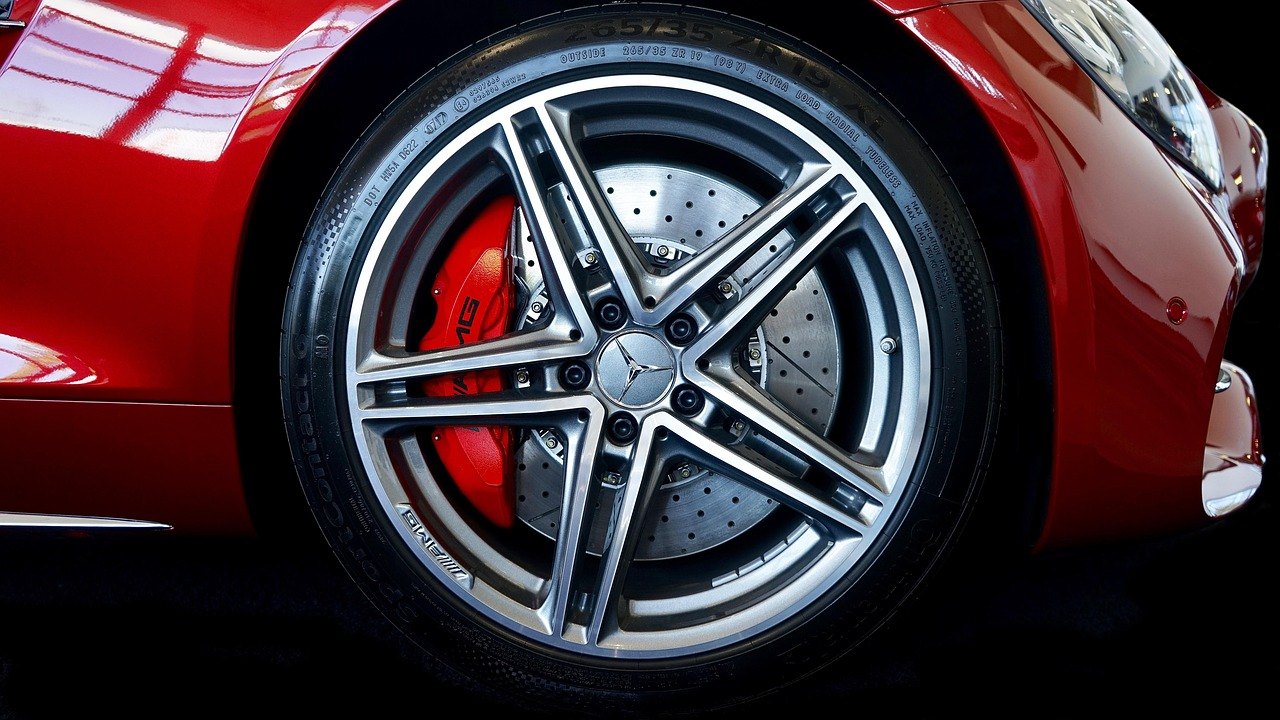
A Subaru Forester that shakes through the brake pedal, squeals during stops, or takes longer to slow down deserves a brake inspection. Worn pads and uneven rotor surfaces may be responsible, but suspension problems, sticking calipers, or damaged hardware may produce similar symptoms. Rotor resurfacing sometimes helps; other times replacement is the safer choice.
At Driven Auto Care in San Jose, CA, we help Sunnyvale drivers evaluate brake problems at our shop. Our brake services include pad replacement, rotor inspection and replacement, caliper repair, and brake fluid service. We measure components before recommending work, including whether a rotor is suitable for machining.
Listen for Squealing, Grinding, or Pulsation
Subaru Forester brake pads include wear indicators that squeak or scrape when the friction material is worn down. A persistent warning noise warrants prompt attention, as worn pads may eventually score the rotors.
A pulsing pedal or steering-wheel vibration during braking may indicate uneven rotor thickness or excessive runout. Still, these sensations do not automatically confirm rotor damage. We check the pads, rotors, mounting surfaces, and calipers to find the cause.
When Rotor Resurfacing Makes Sense
Resurfacing uses a brake lathe to remove a thin layer of metal, creating a more uniform braking surface. It may address light scoring or certain rotor-related pulsation problems if enough metal remains.
Thickness is the deciding factor. We measure rotor thickness and compare it with specifications for the Forester's model year and brake configuration. We also check runout, surface condition, cracking, and heat damage. Machining removes material, so a rotor too thin now—or likely to fall below its permitted thickness after machining—needs replacement.
There is no universal thickness for all Forester rotors. Even different brake sizes within a model year may have different wear limits. We explain whether resurfacing is appropriate or replacement makes more sense.
Brake Pads Need Attention, Too
Installing new pads against a badly scored or uneven rotor may cause noise, accelerated wear, or continued vibration. Conversely, new rotors will not solve a sticking caliper or seized slide pin.
We inspect inner and outer pad thickness, caliper movement, slides, clips, and other hardware. Pads are generally replaced in axle sets to maintain consistent braking left to right. If one pad is much thinner than its partner, we investigate the cause rather than installing another set without correcting the problem.
Model-Specific Procedures Matter
Newer Forester models with an electronic parking brake require appropriate service procedures when rear brake components are removed. For example, Subaru service instructions for the 2020 Forester describe a brake maintenance mode for rear pad work. Skipping required steps risks damage to electronic parking brake components.
Once repairs are complete, we confirm pedal feel, check for abnormal noise and dragging, and follow the proper pad-and-rotor bedding procedure. Bedding helps establish even contact between the new friction surfaces.
Schedule Subaru Forester Brake Service
If your Forester squeals, grinds, pulsates, or feels less responsive near Sunnyvale, contact Driven Auto Care of San Jose, CA. We will inspect the brake system, review our findings, and recommend resurfacing only when the rotors are suitable for resurfacing. If braking feels unsafe or the pedal loses firmness, stop driving and arrange assistance.