An illuminated tire-pressure warning on a Honda Accord does not automatically mean a failed wheel sensor. Low air pressure, punctures, temperature changes, incorrect calibration, and TPMS faults may produce similar alerts. The key detail is model year: some Accords have sensors inside their wheels, while newer versions monitor tire behavior indirectly.
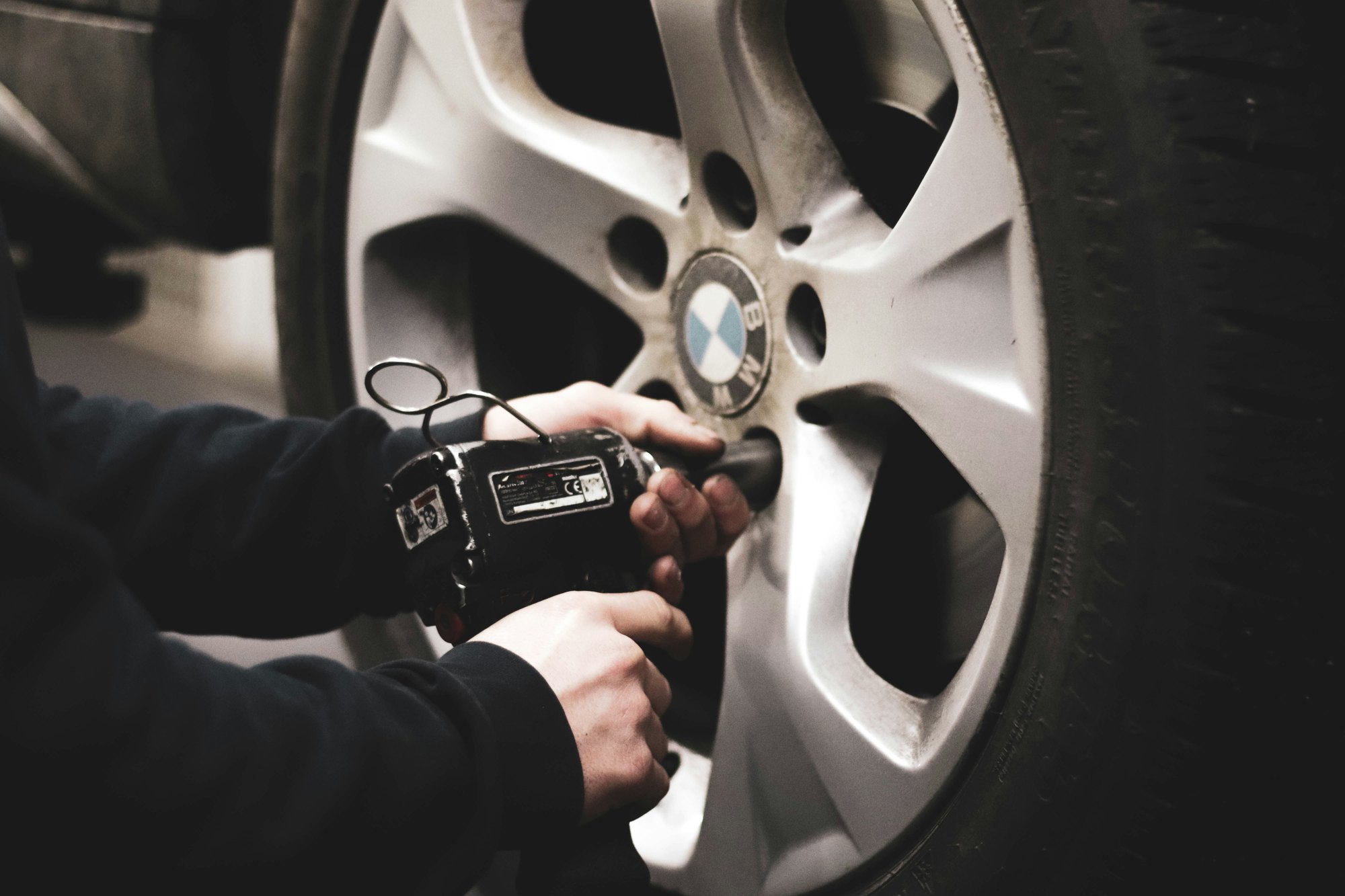
At Driven Auto Care of San Jose, CA, we help drivers identify the problem before ordering parts. Our San Jose shop offers tire inspections, repairs, replacements, rotations, balancing, wheel alignments, and TPMS sensor replacements. We start with tire condition and pressure, then verify which monitoring system the Accord uses.
Know Which TPMS System Your Accord Uses
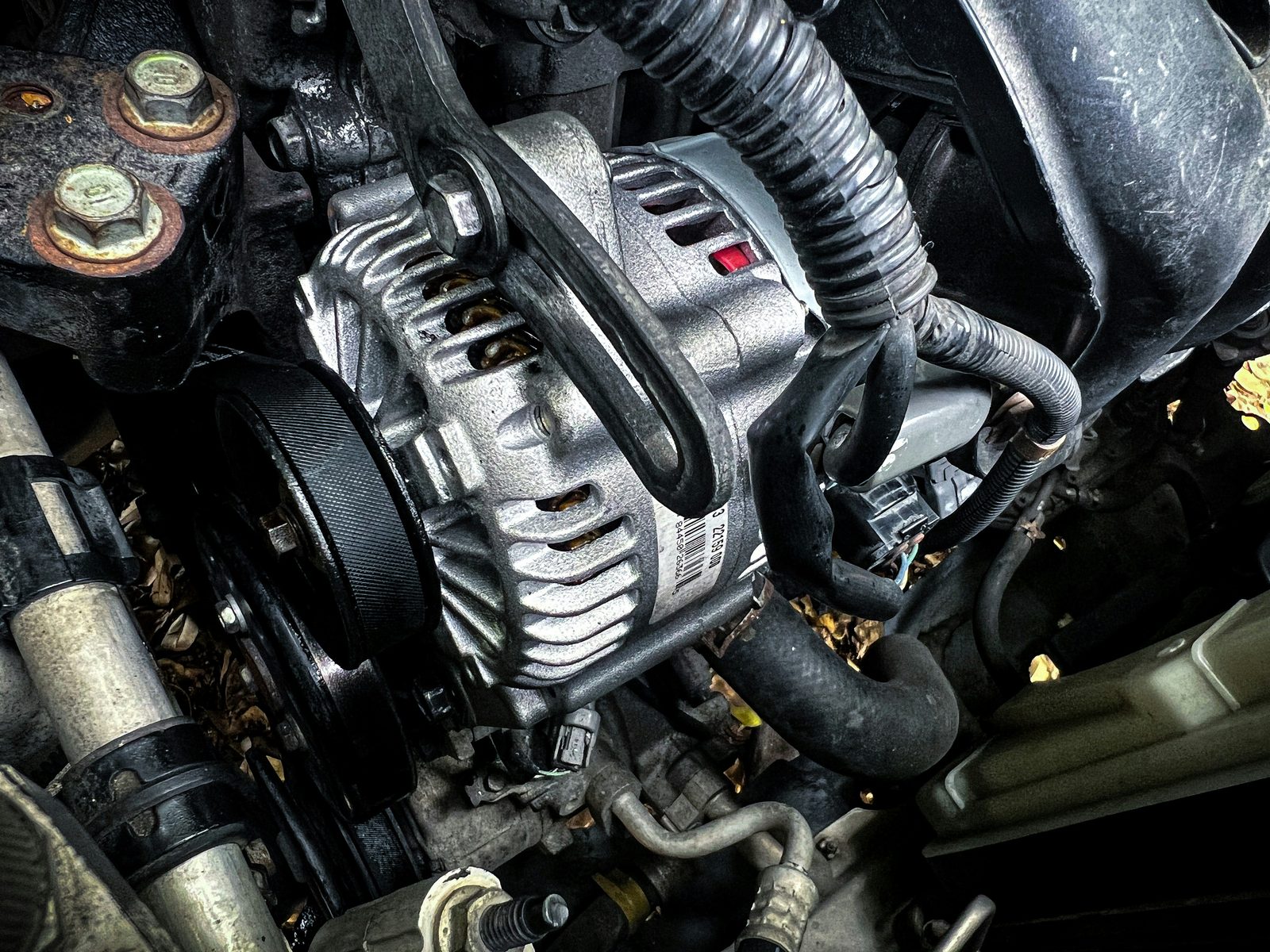
The 2008-2012 Accord uses a direct system with pressure sensors mounted inside the wheels. A damaged sensor, depleted internal battery, or communication problem may require sensor replacement and registration with diagnostic equipment.
Honda introduced indirect TPMS on the 2013 Accord. The 2024 Accord also uses an indirect design, comparing wheel-rotation characteristics while driving instead of reading individual pressure sensors inside the tires. For these models, replacing a nonexistent wheel-mounted TPMS sensor will not resolve a warning.
Check Tire Pressure Before Resetting Anything
If a warning appears, park somewhere safe and inspect all four tires. Look for a visibly low tire, a puncture, sidewall damage, or a slow leak near the valve stem. Use an accurate gauge rather than estimating pressure by appearance.
Honda recommends checking tire pressure when the tires are cold, after the vehicle has been parked for at least 3 hours or driven less than 1 mile. Inflate each tire to the pressure listed on the driver's doorjamb label, not the maximum printed on its sidewall.
Temperature drops may lower tire pressure enough to activate the warning. If one tire keeps losing air, we inspect it for punctures, bead leaks, damaged valves, and wheel defects.
Calibration May Solve the Warning
On indirect-TPMS Accords, Honda requires calibration after changing tire pressure, rotating tires, or installing replacement tires. The procedure varies by model year and may use a dashboard button or a vehicle settings menu.
For the 2024 Accord, Honda says calibration takes approximately 30 minutes of cumulative driving between 30 and 60 mph. Starting calibration without correcting tire pressure first may teach the system an incorrect baseline.
A Blinking Warning Needs More Investigation
Honda explains that a warning that blinks for about one minute before remaining illuminated may signal a TPMS malfunction. If pressure is correct and the indicator persists after proper calibration, further diagnosis is appropriate.
We inspect tire sizes and wear patterns, review available diagnostic information, and evaluate related electronic systems when necessary. Mixed tire sizes, a temporary spare, or problems with wheel-speed information may interfere with indirect monitoring. For older direct systems, we test sensor communication before recommending replacement.
Schedule Honda Accord TPMS Service
Driving on a severely underinflated tire raises the risk of overheating and failure. If the Accord pulls, feels unstable, or has a visibly flat tire, stop driving and arrange assistance.
If your Honda Accord shows a persistent tire-pressure warning in San Jose, contact Driven Auto Care of San Jose, CA. We will check the tires, identify the system type, and recommend calibration, tire repair, or sensor service only when needed.