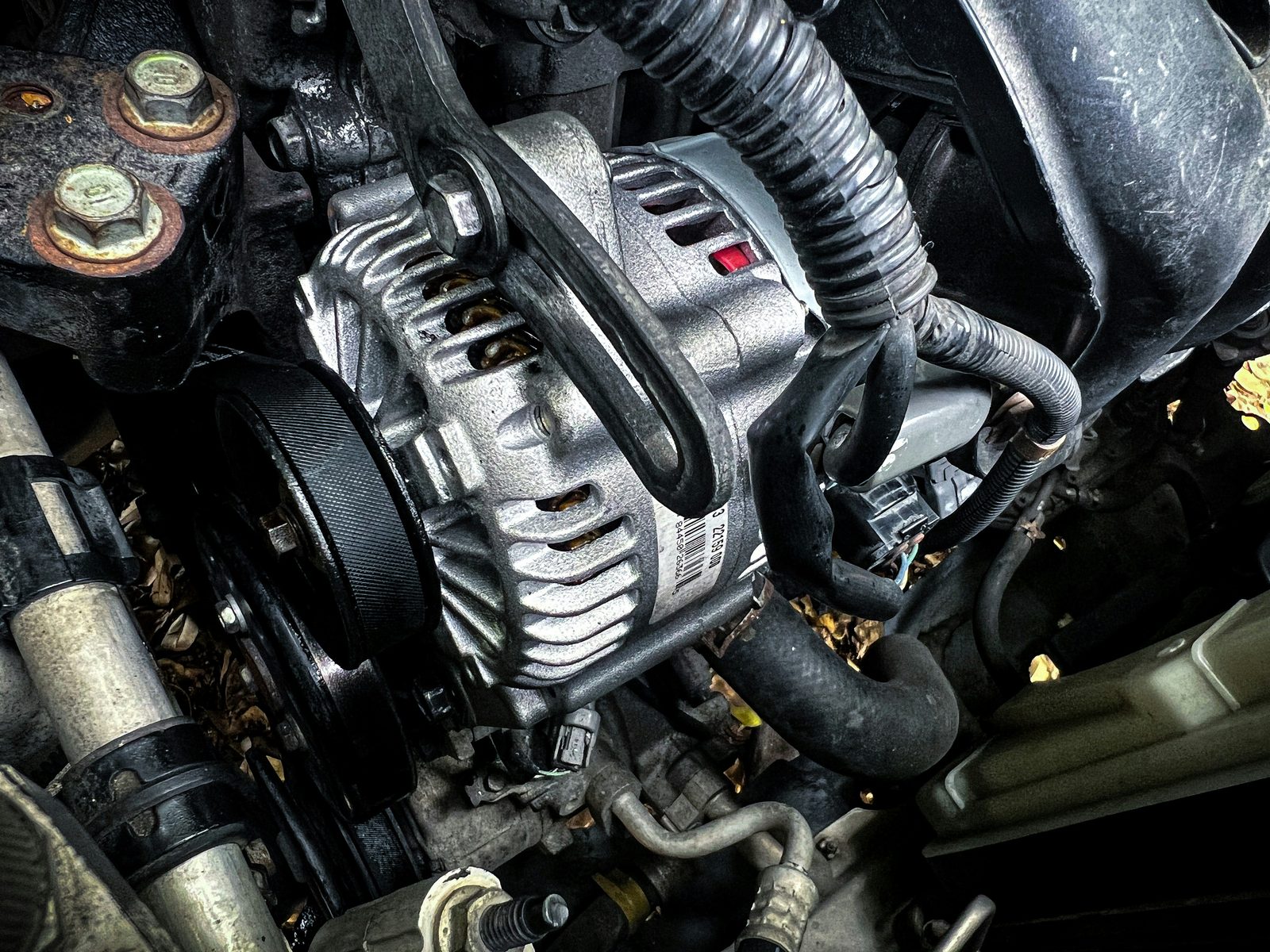
A Lexus ES350 with a rough idle, hesitation, or reduced engine performance may have an intake-related problem, but carbon buildup should not be assumed first. Spark plugs, ignition coils, vacuum leaks, throttle deposits, and fuel-system faults may cause similar symptoms. Walnut blasting is useful for certain engines, yet not every ES350 needs this service.
At Driven Auto Care of San Jose, CA, we help drivers identify the cause before recommending engine cleaning. Our San Jose Lexus service information discusses diagnostic testing and walnut blasting on select Lexus engines. For an ES350, we begin with the model year, engine design, and actual symptoms.
Why the ES350 Engine Design Matters
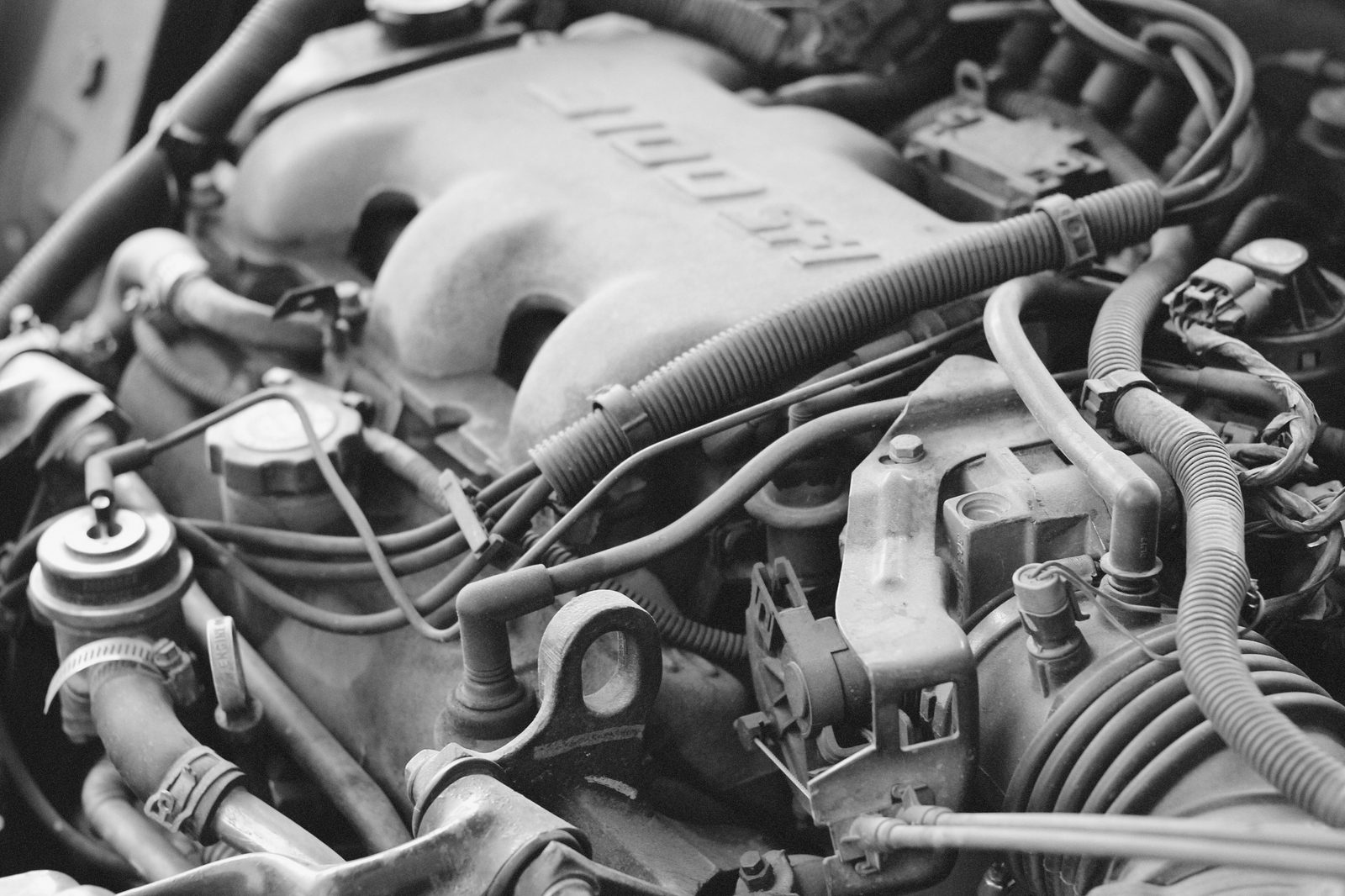
Earlier ES350 models, including the 2018 version, use a 3.5-liter V6 with port fuel injection. Beginning in 2019, the ES350 adopted the 2GR-FKS V6 with Lexus's D-4S system, combining direct injection with fuel delivered through the intake ports.
This distinction matters because port-injected fuel passes over the intake valves, helping limit deposits. Direct-injection-only engines lack this washing action. With D-4S, the ES350 retains port injection, so serious intake-valve buildup is generally less of a concern than on engines relying solely on direct injection.
Signs Worth Investigating
Intake restrictions may contribute to rough idling, hesitation, reduced power, or misfire codes. However, none of these symptoms confirms the presence of carbon deposits.
We begin with a road test when appropriate, scan for trouble codes, and review engine operating data. From there, we may inspect ignition components, fuel trims, intake hoses, the throttle body, and other potential trouble spots. If evidence suggests deposits inside the intake, a borescope inspection may help us assess their location and severity.
When Walnut Blasting Makes Sense
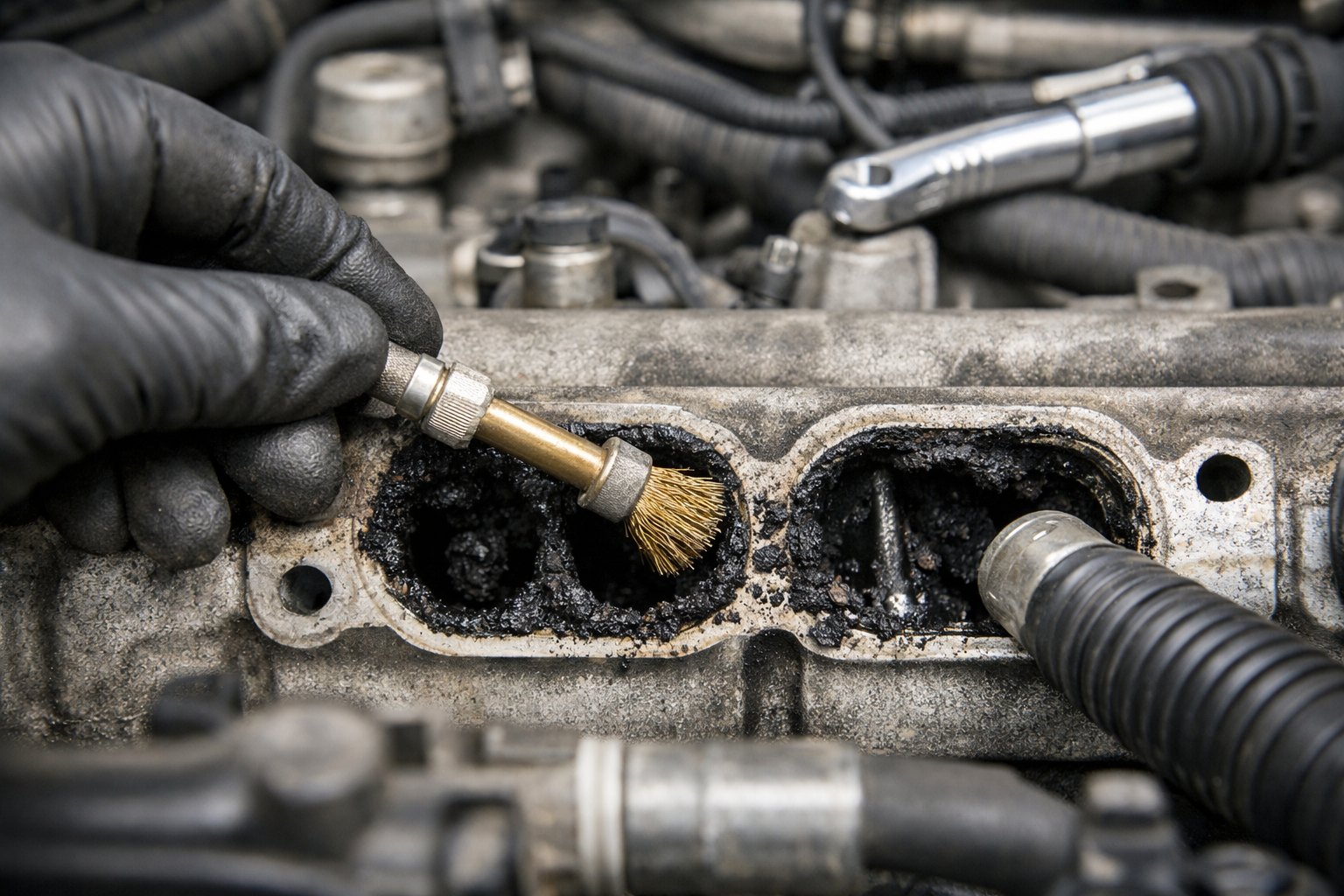
Walnut blasting removes stubborn carbon using crushed walnut-shell media directed at exposed intake valves. The procedure normally requires removal of the intake manifold. Technicians must keep the valves closed during cleaning and collect spent media and loose debris with suction.
The technique is effective when substantial deposits are confirmed, and safe access is available. However, it involves labor and disassembly, so we would not recommend it solely because an ES350 has accumulated mileage or developed a check engine light.
There is no universal mileage interval requiring walnut blasting on the ES350. A recommendation should follow an observed restriction, not an odometer reading. If the intake valves look clean, further testing will usually provide more value than an unnecessary cleaning appointment.
Cleaning Is Not a Cure for Every Misfire
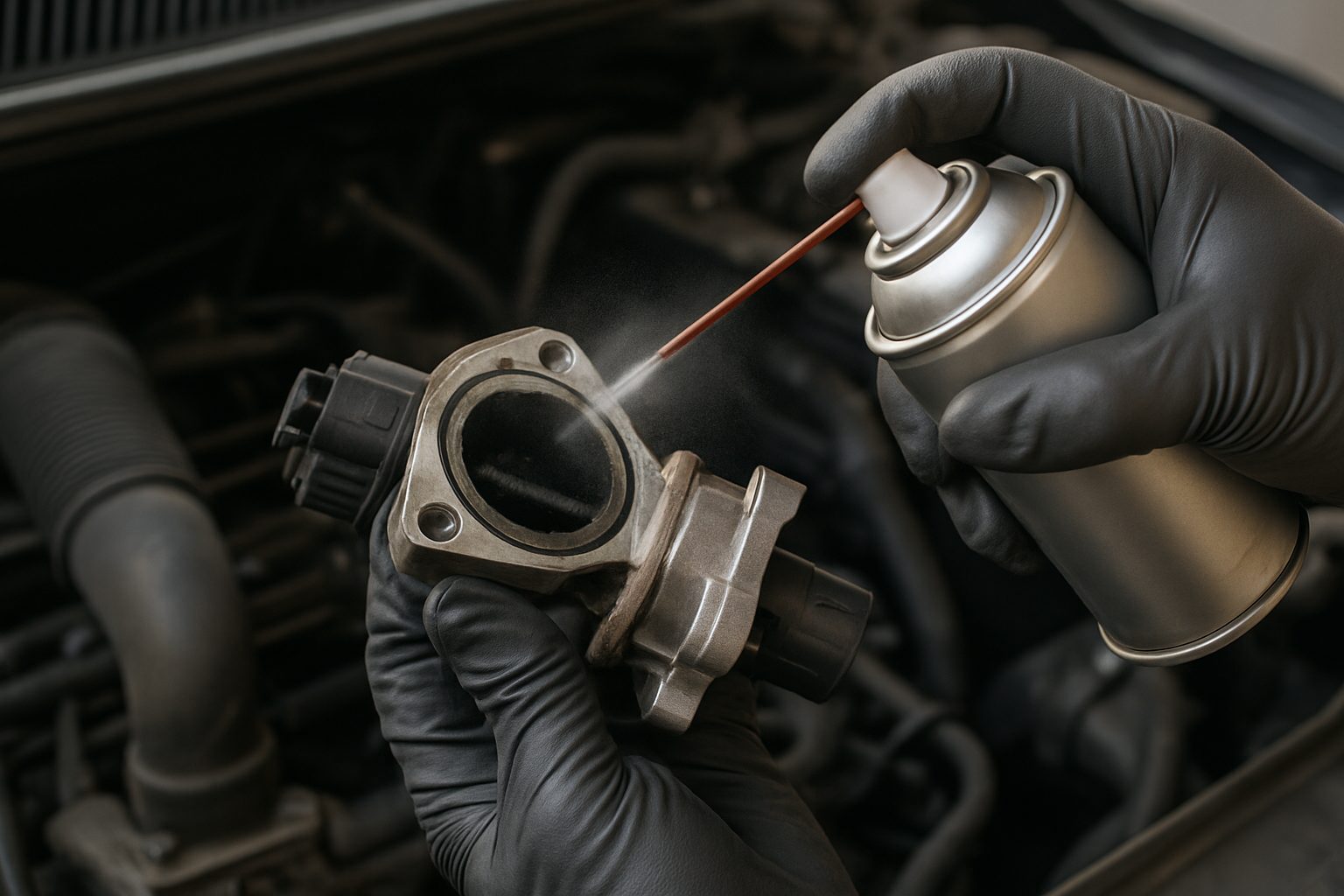
If the true problem involves worn spark plugs, a faulty ignition coil, an air leak, or a fuel injector, cleaning intake valves will not restore normal combustion. Likewise, a dirty throttle body is different from heavy carbon deposits behind the intake valves and may call for another service.
We explain the inspection results and discuss whether targeted cleaning, component replacement, or additional engine testing will address the complaint.
Prevent Problems With Proper Maintenance
Following the Lexus maintenance schedule, using appropriate engine oil, replacing worn filters, and addressing warning lights promptly support long-term performance. Drivers should also report changes in idle quality or acceleration rather than waiting for a severe misfire.
Schedule an ES350 Engine Inspection
If your Lexus ES350 idles roughly, hesitates, or shows a check engine light in San Jose, contact Driven Auto Care of San Jose, CA. We will identify the engine configuration, investigate the symptoms, and recommend walnut blasting only when inspection shows a clear need.