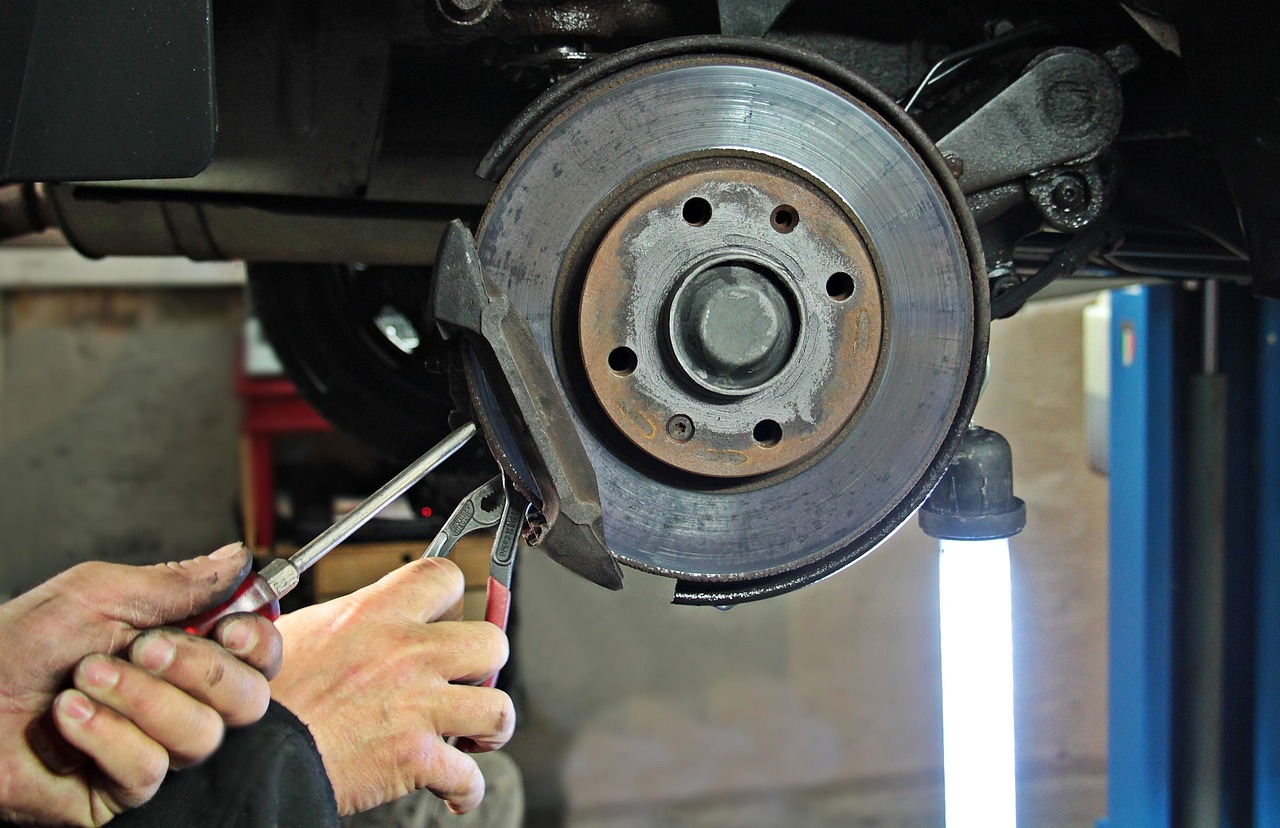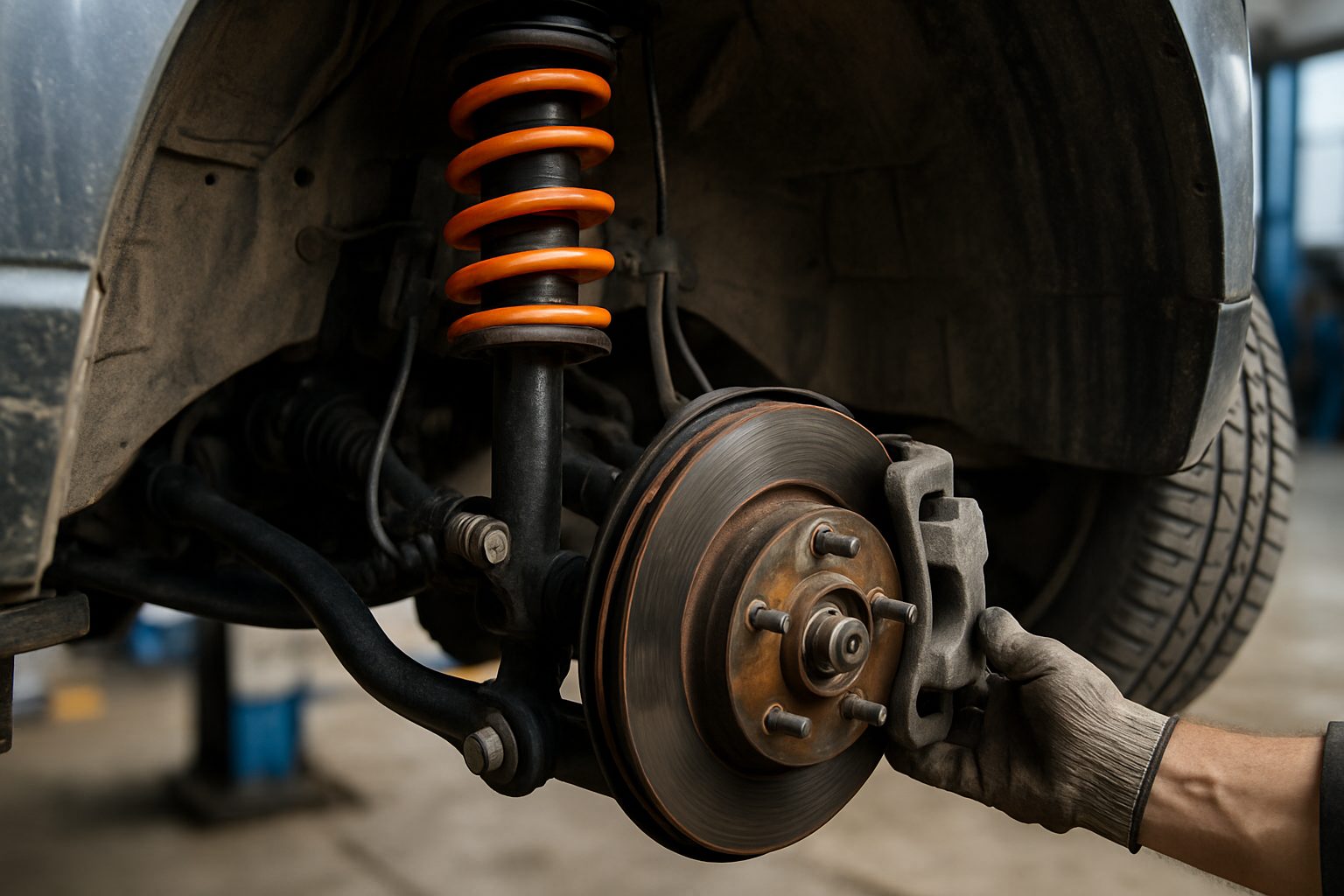
A GMC Sierra with a clunk, wandering steering, uneven tire wear, or vibration over bumps may have front suspension wear. Control arms are one possible source, but worn ball joints, tie rods, wheel bearings, shocks, or alignment problems may create similar symptoms. A proper inspection helps separate the cause before parts are replaced.
At Driven Auto Care of San Jose, CA, we help Santa Clara drivers diagnose suspension concerns from our San Jose shop. Our service menu includes suspension diagnosis, suspension repair, ball joint replacement, tie rod replacement, wheel bearing replacement, shock and strut replacement, and wheel alignment. We test the entire front end because several worn parts may simultaneously affect handling.
How Control Arms Affect Steering and Ride Quality
Front control arms connect the wheel assembly to the vehicle's frame while allowing suspension movement. Bushings help absorb vibration, and many control arm assemblies also work with a ball joint at the steering knuckle. Wear may allow unwanted movement, which drivers may feel through the steering wheel or hear as a knock over bumps.
Symptoms may become more noticeable during braking, turning, driveway transitions, or rough pavement. Uneven tire wear may also develop if suspension geometry shifts enough to affect alignment.
Do Not Assume Every Clunk Is a Control Arm
A clunk near one front wheel does not automatically mean the control arm has failed. We inspect bushings, ball joints, tie rods, sway bar links, wheel bearings, shocks, fasteners, and nearby components before recommending repair.
During inspection, we look for torn or separated bushings, looseness at joints, unusual movement, damaged boots, corrosion, and contact marks. We may also check wheel play and compare side-to-side movement. This approach helps us identify the failed component rather than chasing the noise.
Ball Joint Wear Deserves Prompt Attention
On some Sierra configurations, the upper ball joint is part of the front control arm system. General Motors issued engineering information for certain 2019-2022 Sierra models involving upper control arm ball-joint separation. The document directs technicians to follow diagnostic procedures when the condition appears.
This guidance does not mean every Sierra from those years has the same problem. Model year, suspension design, previous repairs, modifications, and actual inspection results all matter.
Alignment May Be Needed After Suspension Repair
Control arm work may change caster or camber settings, so alignment often becomes part of the repair process. GM service information for Sierra models describes upper control arm alignment hardware used while adjusting front caster and camber.
After replacing a worn control arm, bushing, or related joint, we check alignment needs and inspect tire wear. Correct alignment helps the truck track properly and reduces the chance of accelerated tire wear after suspension service.
Watch for Changes in Steering Feel
A Sierra with worn front suspension parts may feel loose, pull to one side, wander on the highway, or respond differently during braking. If steering suddenly becomes unstable or a wheel appears to be out of position, stop driving and arrange service.
Small noises do not always signal an immediate failure, but new movement or looseness should not be ignored. Suspension parts carry the vehicle's weight and help keep the tires positioned correctly during turns, braking, and over bumps.
Schedule GMC Sierra Suspension Service
If your GMC Sierra clunks, wanders, wears tires unevenly, or feels loose near Santa Clara, contact Driven Auto Care of San Jose, CA. We will inspect the front suspension, explain what we find, and recommend repair based on the confirmed source of wear.