A Dodge Charger with a check engine light, reduced power, rough running, or a strong exhaust odor may have an emissions problem, but a catalytic converter should not be replaced based on a fault code alone. Oxygen sensors, ignition misfires, fuel-control problems, exhaust leaks, and software issues may all affect catalyst readings.
At Driven Auto Care of San Jose, CA, we help Willow Glen drivers diagnose exhaust and emissions concerns from our San Jose shop. Our service menu includes catalytic converter replacement, exhaust system repair, emissions failure diagnostics, oxygen sensor replacement, and engine diagnosis. We test the system first, so repairs address the confirmed cause.
Start With the Check Engine Light
Modern Chargers use the OBD II system to monitor engine and emissions performance. When a fault occurs, the system stores diagnostic information and may illuminate the malfunction indicator light. Codes such as P0420 or P0430 point to catalyst efficiency concerns, but they do not automatically prove that the converter has failed.
A 2020 FCA technical bulletin for certain 2019 Dodge Charger models with the 3.6-liter V6 lists P0420 and P0430 among conditions addressed by a PCM software update. This example shows why model year, engine, stored codes, and service information all matter before parts are ordered.
Misfires May Damage the Converter
A catalytic converter works best when the engine burns fuel correctly. Dodge owner information warns that engine misfires or other serious performance problems may overheat and damage the converter. A flashing check engine light warrants prompt attention, as severe catalyst damage and power loss may follow.
We scan for codes, review fuel and oxygen sensor data, inspect for exhaust leaks, and check ignition and fuel system operation when needed. If a misfire or rich-running condition caused the catalyst problem, repairing only the converter may lead to another failure.
Look Beyond the Converter
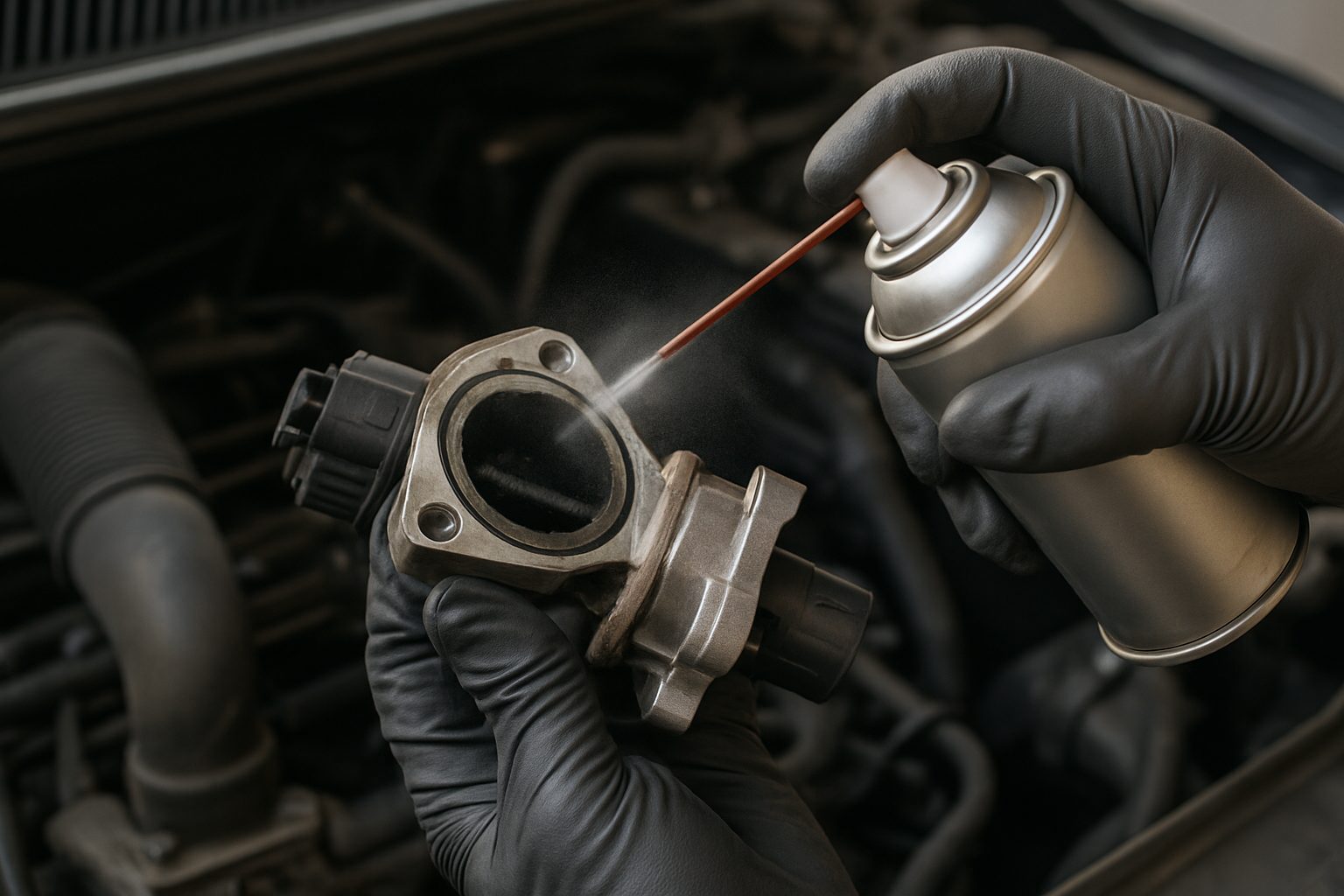
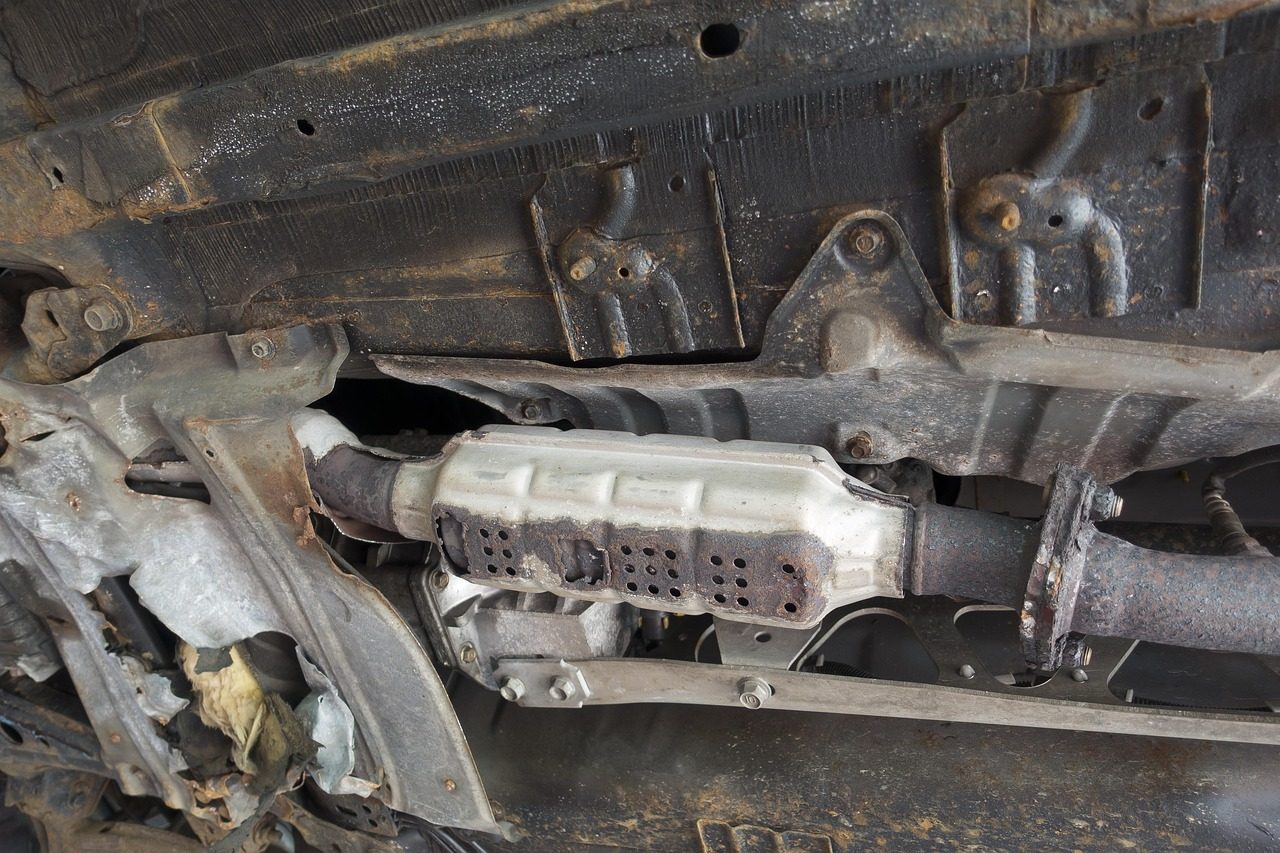
Catalyst-efficiency codes may also appear when an upstream or downstream oxygen sensor reports incorrect data, an exhaust leak alters sensor readings, or the engine runs outside its intended fuel mixture. Physical converter damage may produce rattling, restriction, loss of power, excessive heat, or a sulfur-like odor.
Our diagnosis may include checking oxygen-sensor activity, exhaust integrity, fuel trims, temperature behavior, and backpressure when symptoms support a restriction. We compare test results with manufacturer specifications before recommending replacement.
California Replacement Rules Matter
California has specific rules for replacement catalytic converters. The California Air Resources Board says aftermarket converters must be approved for the specific vehicle application and carry an Executive Order exemption. Vehicle information such as model year, engine size, and engine family helps determine the correct legal replacement.
The Bureau of Automotive Repair also notes a vehicle with an illuminated check engine light will not pass a Smog Check. If a converter needs replacement, California requires an OEM unit or an approved aftermarket converter meeting the exact vehicle application.
Repair the Cause Before Installing a Converter
A new converter will not correct a failing ignition coil, a leaking injector, a damaged oxygen sensor, an exhaust leak, or a calibration problem. We first repair the root cause, then confirm emissions system operation after service.
If replacement is necessary, we verify the correct application, install the proper converter, clear relevant faults when appropriate, and confirm monitor operation through follow-up testing.
Schedule Dodge Charger Emissions Service
If your Dodge Charger has a check engine light, exhaust odor, reduced power, or failed emissions test near Willow Glen, contact Driven Auto Care of San Jose, CA. We will diagnose the system, explain our findings, and recommend the repair needed for dependable performance and emissions compliance.