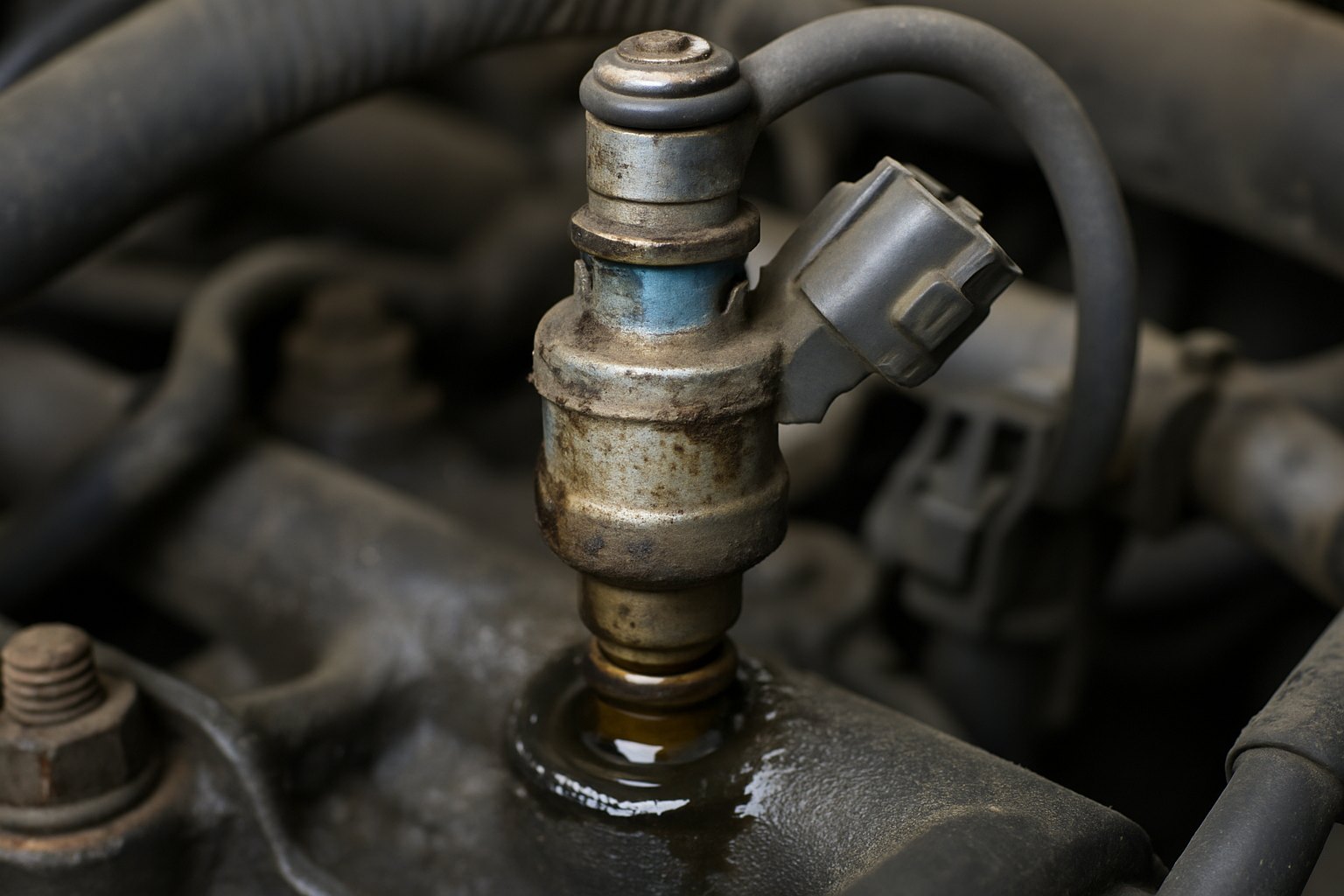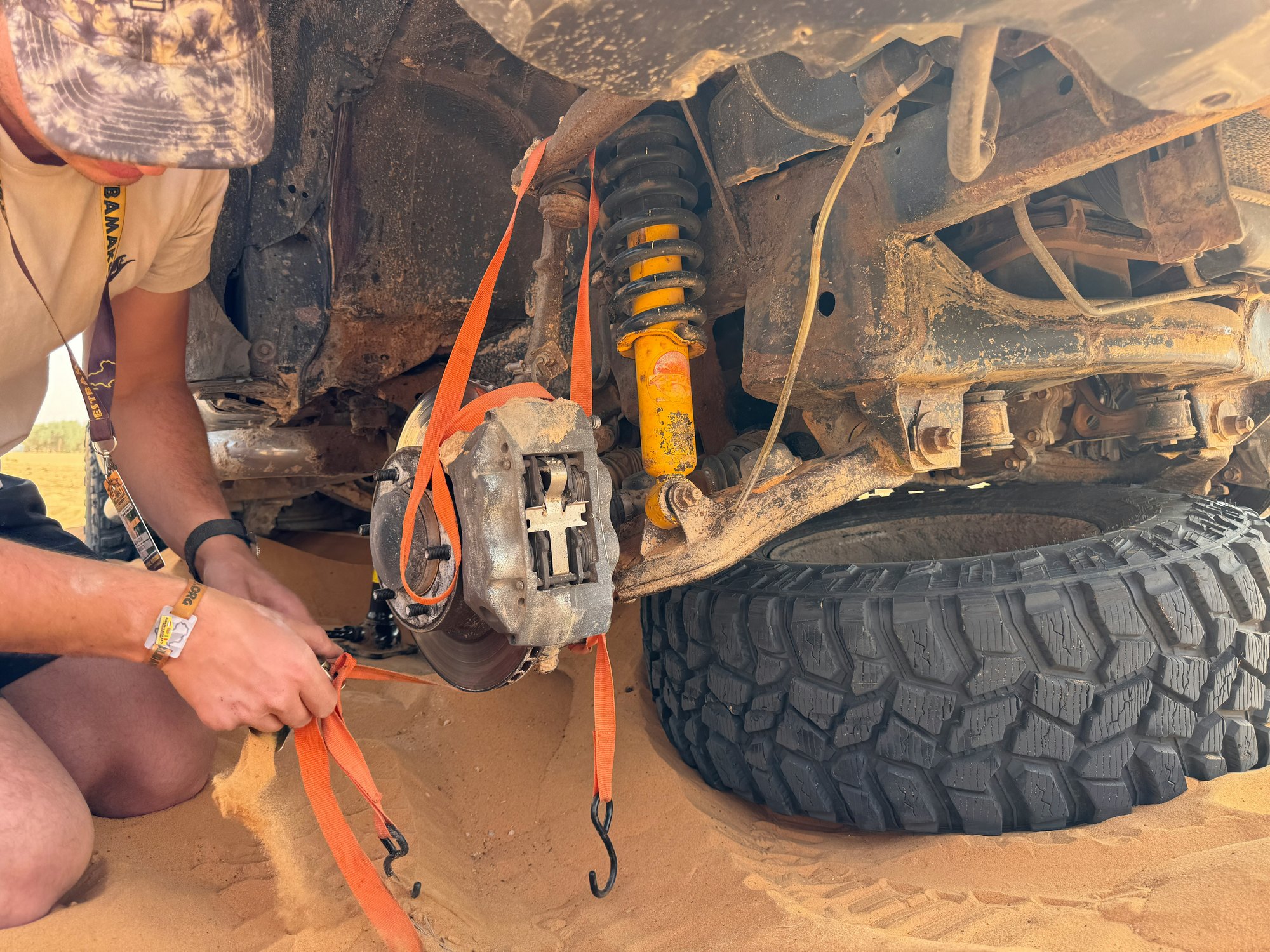
A Jeep Grand Cherokee leaving oily spots beneath the vehicle may have a differential leak. Seals prevent gear lubricant from escaping where the driveshaft or axle shafts connect to the differential. When one begins leaking, fluid loss may eventually damage bearings and gears. Still, a wet underbody does not always mean a failed differential seal.
At Driven Auto Care of San Jose, CA, we help Willow Glen drivers investigate drivetrain leaks from our San Jose shop. Our services include differential repair, differential rebuilds, axle replacement, driveshaft work, and transfer case service. We locate the source before recommending a repair.
Where Differential Leaks Begin
A pinion seal is located near where the driveshaft connects to the differential. Axle seals protect openings near the axle shafts. Fluid may also escape around a housing joint, cover, or fill plug. The correct inspection depends on the Grand Cherokee's model year and drivetrain.
Two-wheel-drive versions have a rear differential, while four-wheel-drive configurations also have a front differential and transfer case. Gear oil on the underside may spread while driving, making a transfer case or transmission leak appear to come from the axle.
Look for Oil, Odor, and Unusual Noise
Fresh wetness around the differential housing, drips on the driveway, or oily deposits near an axle opening warrant inspection. Gear lubricant often has a noticeable sulfur-like smell. A small leak may leave residue without forming a puddle.
Low fluid may eventually lead to whining, humming, or grinding, especially under load or while turning. However, wheel bearings, tires, and other drivetrain components may produce similar sounds. We investigate the noise rather than blaming the differential without evidence.
Check Fluid Level Before Damage Develops
Jeep's Grand Cherokee owner guidance recommends inspecting axle housings when the vehicle is serviced and checking lubricant level when leakage is suspected. It also calls for the use of manufacturer-recommended fluid. Specifications vary by model, axle, and equipment, so the correct lubricant cannot be chosen by appearance alone.
A persistent leak removes the lubricant that protects moving gears and bearings. If the vehicle develops loud grinding, unusual resistance, or significant fluid loss, avoid further driving and arrange an inspection.
How We Confirm the Source
We inspect the housing, pinion area, axle openings, nearby seals, and plugs. Cleaning accumulated residue may reveal fresh seepage during a follow-up inspection. We also check for damaged housings, blocked vents, loose hardware, and excessive shaft movement where applicable.
Finding the cause matters. A worn bearing or damaged sealing surface may allow a new seal to leak again. We evaluate related parts before recommending the repair.
What Seal Repair Involves
Repair steps depend on the location. A pinion seal may require removing driveline components and following precise reassembly specifications. An axle seal may require additional disassembly of the axle. If the housing joint leaks, resealing may be necessary instead.
After repair, we refill the differential with the specified lubricant, confirm the correct level, inspect for fresh leakage, and check driveline operation. We also explain whether existing noise or wear calls for further work.
Schedule Grand Cherokee Differential Service
If your Jeep Grand Cherokee leaves oil spots, smells of gear lubricant, or develops drivetrain noise near Willow Glen, contact Driven Auto Care of San Jose, CA. We will trace the leak, explain our findings, and recommend the appropriate seal or differential repair.