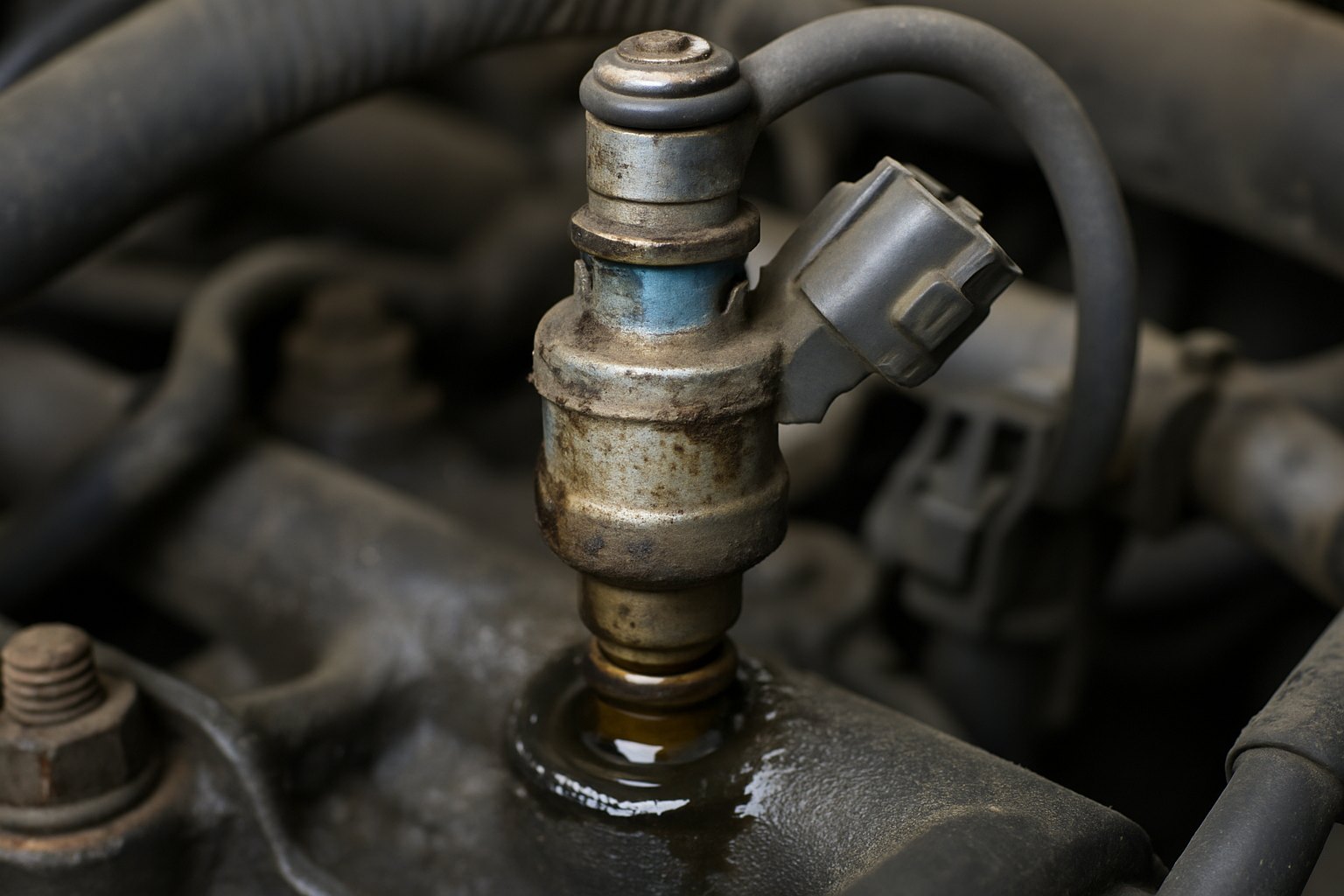
Oil spots beneath a Volkswagen Jetta may signal a leaking gasket or seal, but the source is not always directly above the stain. Engine oil travels along covers, brackets, and underbody panels before reaching the ground. A burning smell, oily residue, or falling oil level deserves attention before lubricant loss threatens the engine.
At Driven Auto Care of San Jose, CA, we help Sunnyvale drivers locate oil leaks from our San Jose shop. Our oil leak repair services include valve cover gasket repair, oil pan sealing, timing cover gasket work, and oil filter housing repairs. We inspect the engine before recommending replacement because different Jetta engines have different leak points.
Recognize the Warning Signs
A dark spot after parking may be the first clue. Oil around the upper engine, a burning smell after driving, or frequent top-offs may also indicate seepage. When oil reaches a hot exhaust surface, it may smoke or produce an odor inside or outside the vehicle.
Fluid color alone will not confirm the source. We distinguish engine oil from transmission fluid, coolant, and other liquids before tracing the leak. A small seep may be manageable for a while, while an active drip or a rapidly dropping level calls for prompt service.
Identify Which Gasket Is Leaking
Valve cover gaskets seal the upper engine, while oil pan seals contain oil near the bottom. Timing cover seals, crankshaft seals, and filter housing gaskets may also leak. The location and repair procedure depend on the engine fitted to the Jetta.
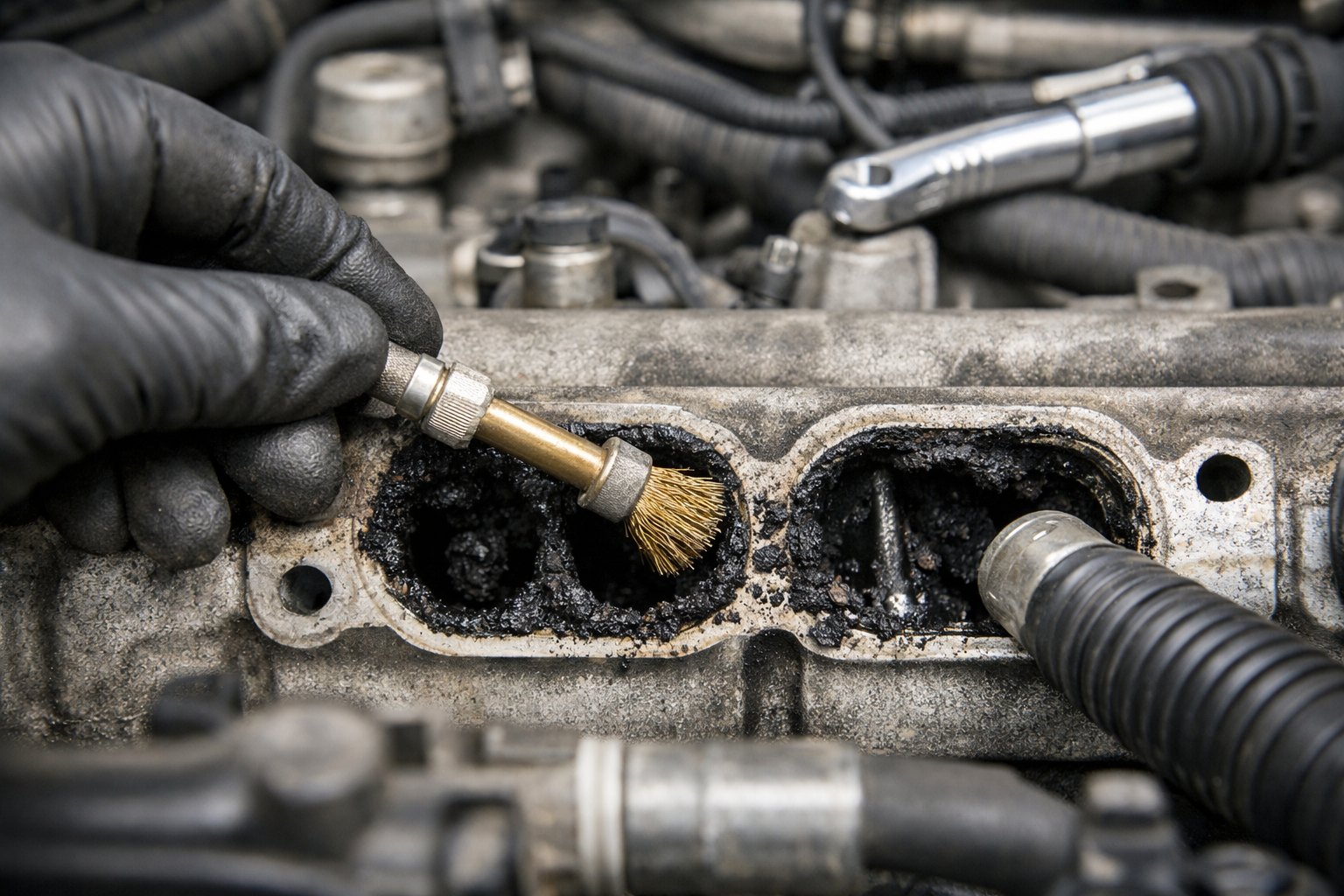
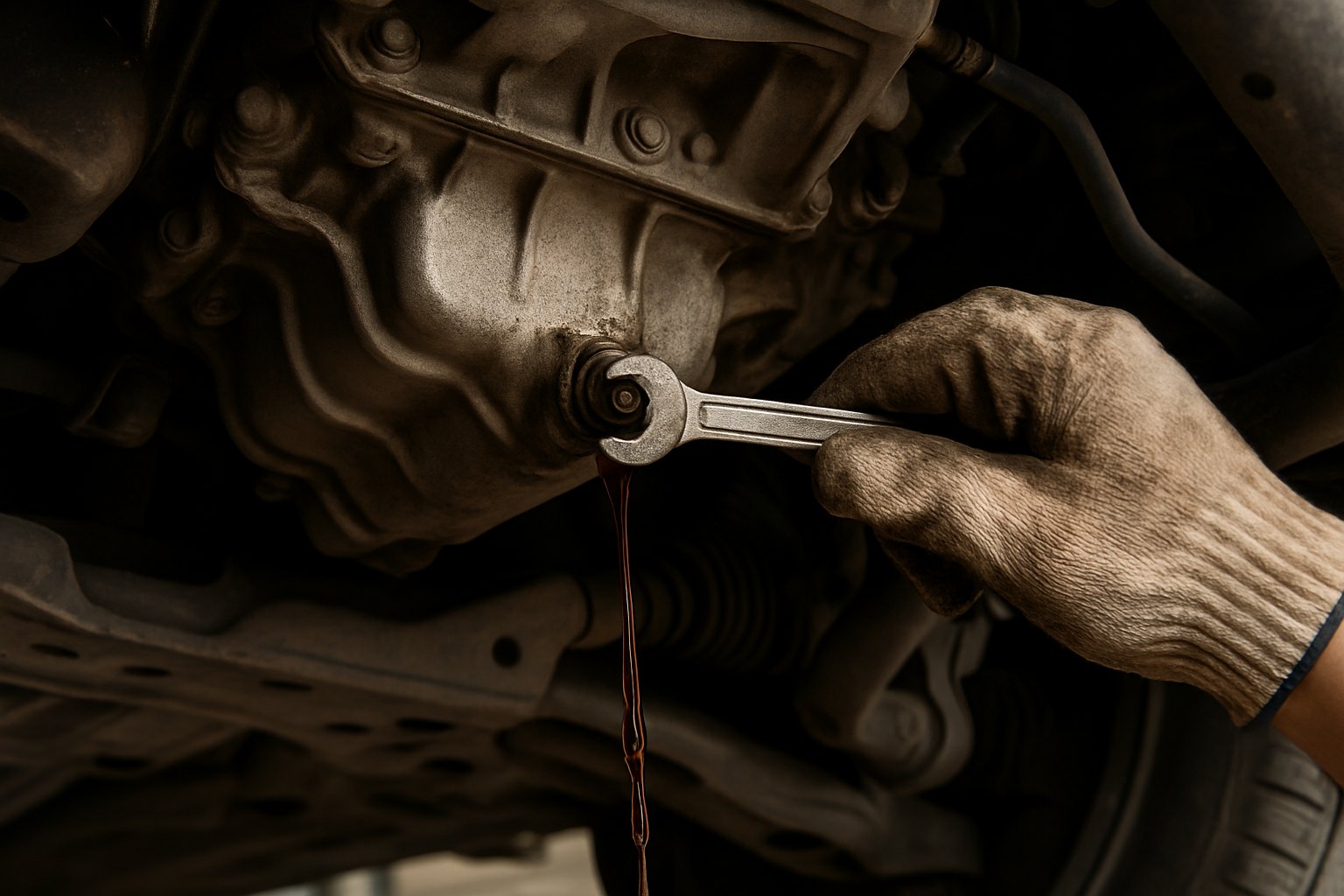
We look for fresh oil at the sealing edges, inspect the surrounding hoses and fittings, and clean dirty surfaces as needed. A follow-up inspection after running the engine may reveal where oil first appears. Dye testing may help when accumulated residue hides the source.
Some Oil Leaks Follow an Oil Change
Volkswagen issued technical guidance for certain 2011-2013 Jetta 2.5-liter engines due to debris in the oil filter housing sealing area. The debris could prevent proper sealing after service. Volkswagen instructed technicians to remove the debris rather than assume a new housing was needed.
Another bulletin for 2011-2013 Jetta 2.0-liter engines described loosening of oil cooler mounting hardware during oil filter removal. On affected vehicles, tightening the mounting nut corrected the leak without replacing a gasket. These examples show why confirming the precise engine and leak source prevents unnecessary parts replacement.
Never Ignore an Oil Pressure Warning
Volkswagen distinguishes an oil-level warning from a red low-oil-pressure warning. Low oil pressure requires stopping safely and switching off the engine. Simply adding oil may not solve a pressure fault.
Check the oil level per the vehicle owner's instructions, and avoid driving if the engine is losing oil quickly. Continuing to operate with inadequate lubrication may damage bearings, camshafts, and other internal components.
Repair the Seal and Verify the Result
Once we identify a failing gasket or seal, we inspect the mating surfaces and related hardware. Repair may require removing covers, cleaning sealing surfaces, and fitting the correct replacement parts or sealant. A cracked housing or blocked crankcase ventilation system may require separate attention.
We finish by checking the oil level, inspecting for any fresh leaks, and confirming that the repair has addressed the complaint.
Schedule Volkswagen Jetta Oil Leak Service
If your Volkswagen Jetta leaves oil spots, develops a burning smell, or needs frequent top-offs near Sunnyvale, contact Driven Auto Care of San Jose, CA. We will locate the leak, explain the findings, and recommend the appropriate repair.