A clicking sound during a tight turn or a vibration under acceleration may signal CV axle wear in an Acura TLX. Because those symptoms may also come from tires, wheel bearings, mounts, or other drivetrain parts, diagnosis matters before replacement. Ignoring a damaged joint or boot can lead to grease loss, contamination, and further wear.
At Driven Auto Care of San Jose, CA, we help Santa Clara drivers diagnose drivetrain concerns from our San Jose shop. Our TLX service menu includes axle replacement, CV joint replacement, CV axle replacement, CV boot replacement, differential repair, transmission service, wheel bearing replacement, and suspension diagnosis. We test first so the repair matches the source.
Clicking During Turns Is a Common Warning Sign
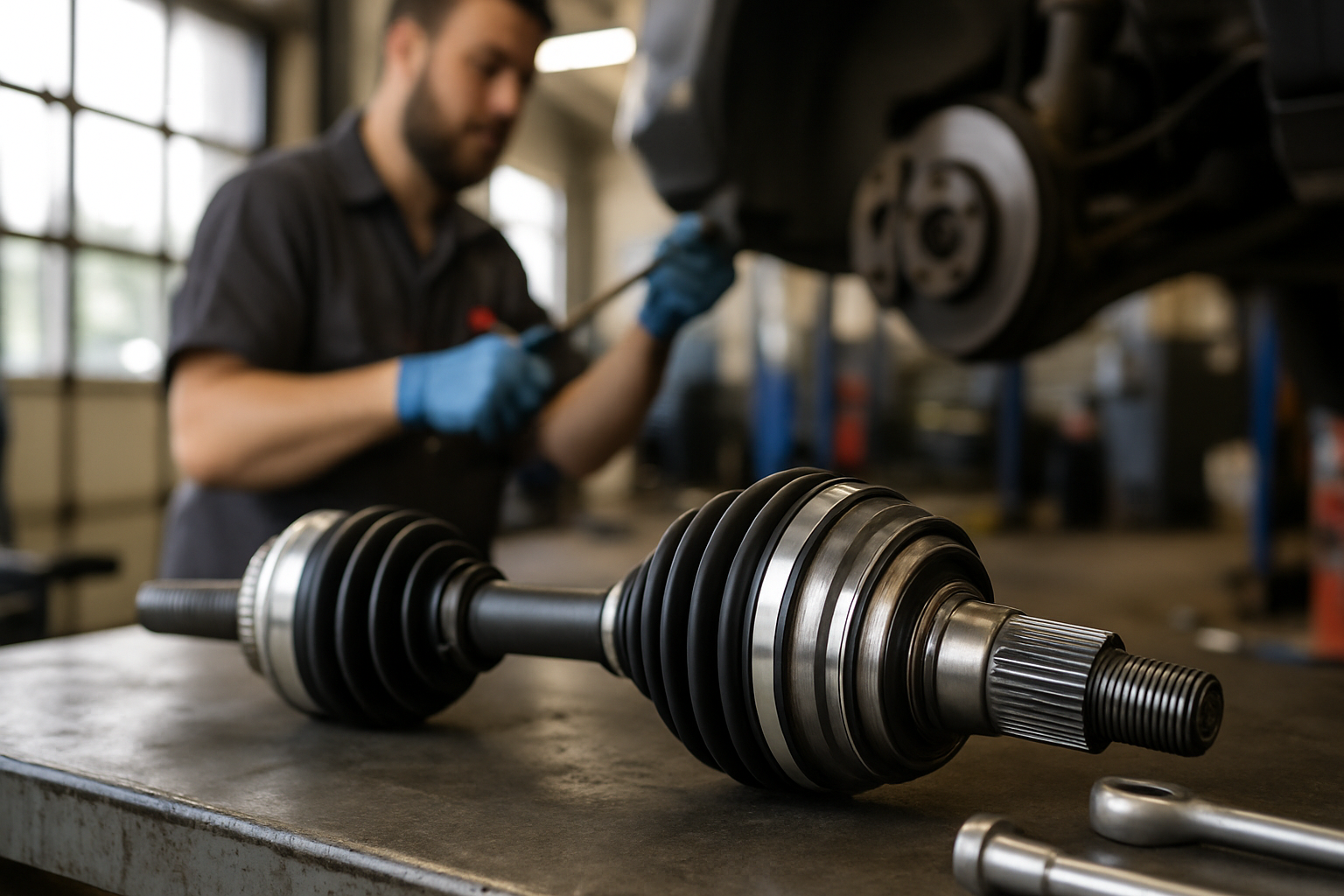
CV joints transfer power while allowing the wheels to move with steering and suspension travel. A worn outer CV joint often produces clicking during turns, especially during sharper low-speed maneuvers. Clicking around corners or during U-turns is a common CV joint warning sign.
Pay attention to when the sound appears. Clicking only during left turns may provide a different clue than noise during right turns, straight-line acceleration, or braking. We road-test the TLX when safe and compare the sound with steering angle, throttle input, and vehicle speed.
Vibration Under Acceleration Needs Inspection
A failing CV axle may also create vibration while accelerating. However, vibrations can come from many sources. Tire imbalance, bent wheels, worn engine or transmission mounts, wheel bearings, suspension wear, or other drivetrain components may feel similar from the driver’s seat.
This overlap matters on the TLX because different generations and drivetrains use different layouts. We inspect the axle shafts, joints, mounts, tires, wheels, suspension, and related components before deciding where the movement starts.
A Torn CV Boot May Lead to Joint Damage
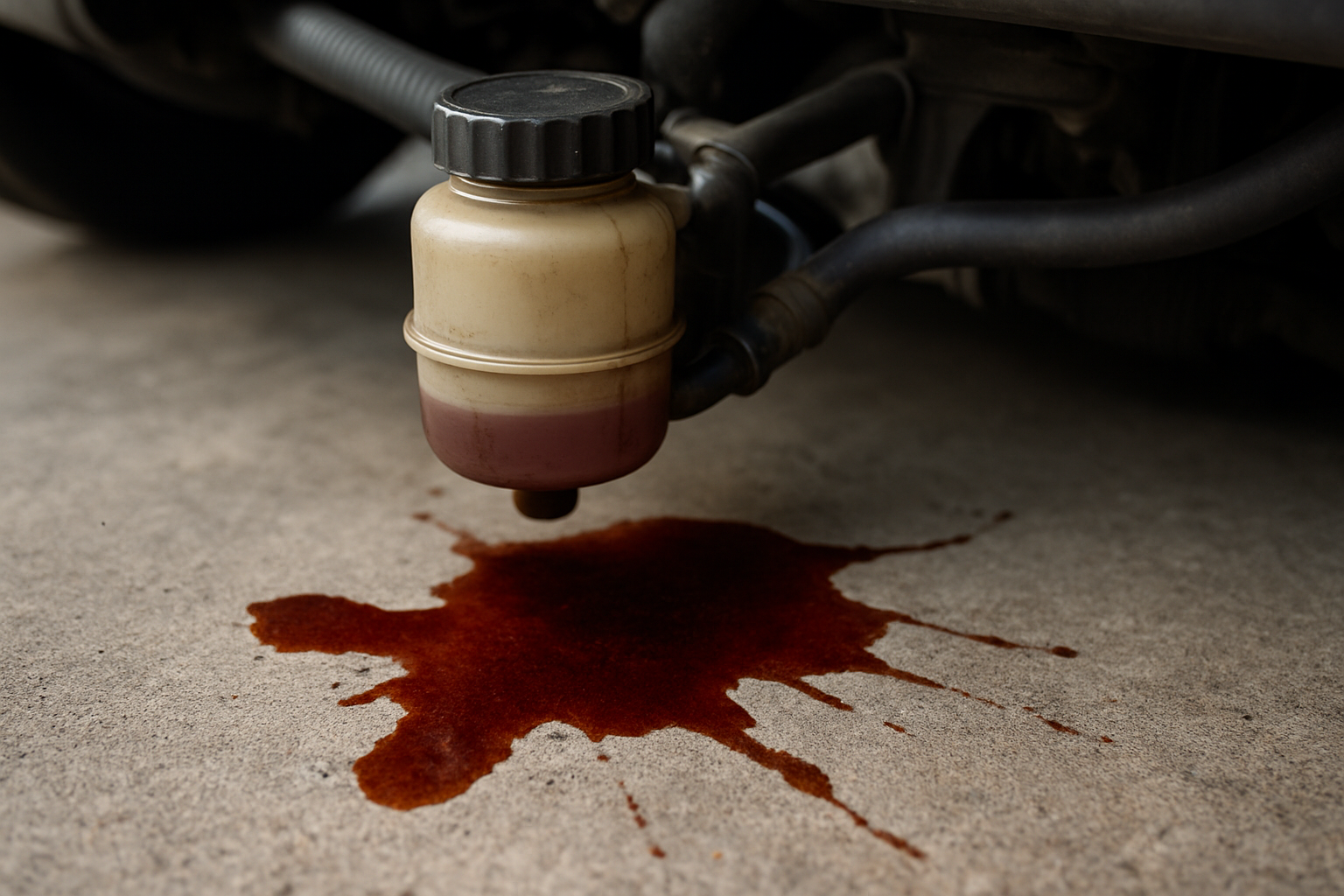
The rubber CV boot keeps grease around the joint while blocking dirt and moisture. A crack or tear may sling grease around the inside of a wheel, suspension parts, or nearby underbody surfaces. Once grease escapes, contamination may enter and accelerate joint wear.
Acura’s 2020 TLX Maintenance Minder includes driveshaft boot inspection as part of Maintenance Minder service B. Routine inspection allows technicians to catch boot damage before a noisy joint develops.
Clunks Do Not Always Mean a Bad CV Axle
A clunk during acceleration, deceleration, or shifting may be due to drivetrain play, but the axle is only one possibility. Engine mounts, transmission mounts, differential components, suspension bushings, or other driveline parts may produce similar sounds.
Acura issued a service bulletin for certain 2015-2016 V6 TLX models involving highway-speed vibration caused by mount and rear-subframe bushing characteristics. This example reinforces why we avoid diagnosing a CV axle from vibration alone.
What Our Drivetrain Diagnosis Includes
We begin with the driver’s description and a road test when conditions permit. Next, we inspect CV boots for cracks, grease loss, or displacement and check axle shafts and joints for looseness or damage. We also review tires, wheel bearings, mounts, suspension parts, and related drivetrain components.
If testing confirms CV axle failure, replacement may restore smooth power transfer. We verify the repair afterward and check for remaining noise or vibration.
Schedule Acura TLX Drivetrain Repair
If your Acura TLX clicks during turns, vibrates under acceleration, clunks, or shows grease around a CV boot near Santa Clara, contact Driven Auto Care of San Jose, CA. We will inspect the drivetrain, explain our findings, and recommend the repair needed for dependable operation.