A Chevrolet Silverado water pump circulates coolant through the engine and radiator, dissipating heat from critical components. When the pump begins leaking, the coolant level may drop, and the operating temperature may climb. Drivers may notice a sweet odor, coolant residue, a puddle after parking, or an overheating warning.
At Driven Auto Care of San Jose, CA, we help Willow Glen drivers identify cooling system problems before they replace parts. Our San Jose service menu includes water pump replacement, coolant leak repair, radiator replacement, thermostat replacement, hose replacement, cooling system flushes, and engine diagnosis. We inspect the entire system because multiple failures can cause similar overheating symptoms.
Watch for Coolant Under the Truck
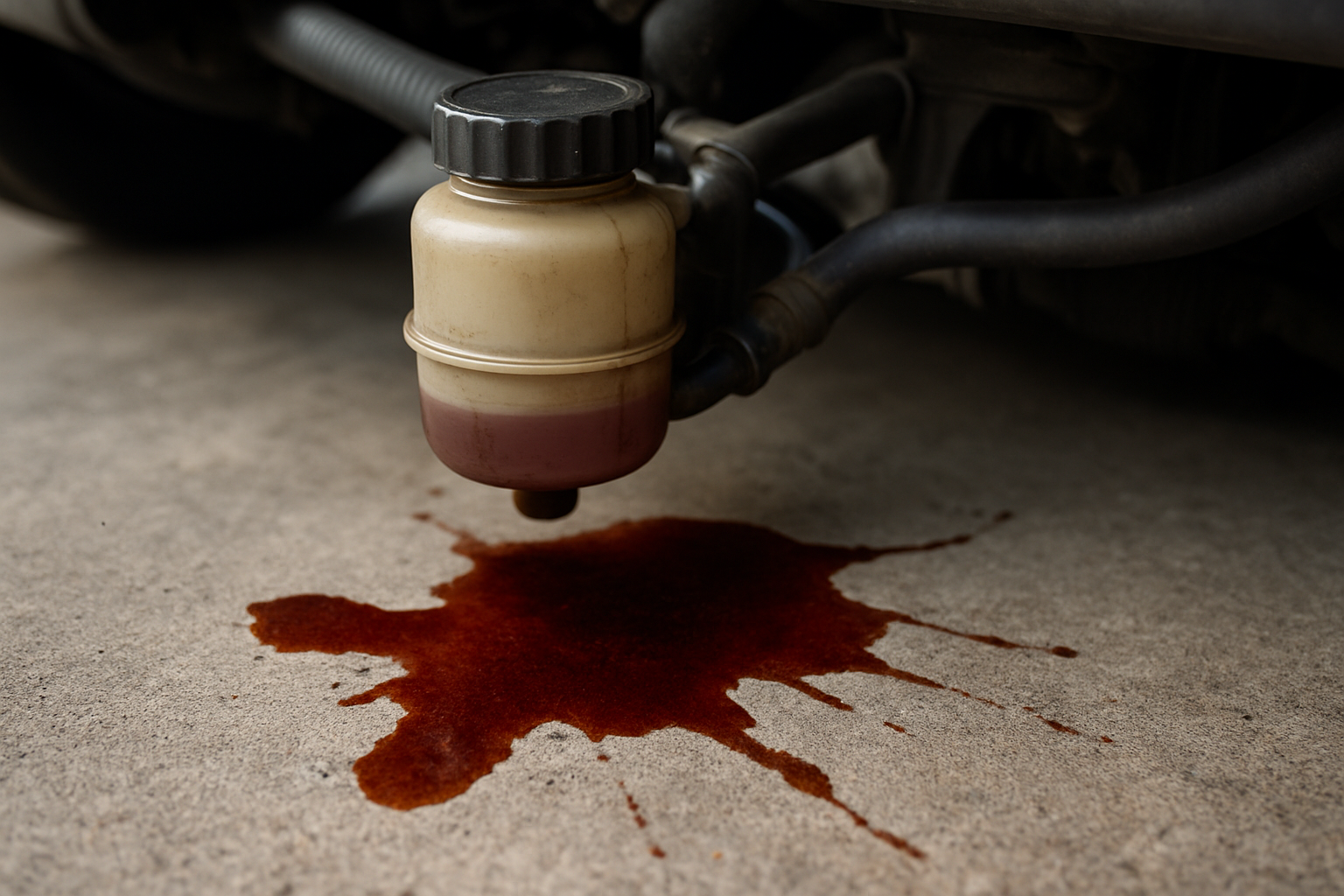
A leaking water pump may leave wet coolant or dried residue near the front of the engine. Depending on model year and engine, the leak may come from a pump seal, gasket, housing, hose connection, or another nearby component. Low coolant in the surge tank may also point toward a cooling-system leak.
Chevrolet owner information advises drivers to check coolant level only when the system is cool. If coolant is below the indicated mark, a leak may be present. Hot coolant and steam remain under pressure, so opening the surge tank cap before the system cools may cause serious burns.
Overheating Warnings Need Immediate Attention
A Silverado may display messages such as ENGINE OVERHEATED STOP ENGINE or ENGINE OVERHEATING IDLE ENGINE when coolant temperature becomes unsafe. If an overheat warning appears, pull over safely and follow the vehicle's owner guidance rather than continuing to drive.
Driving an overheating truck may damage gaskets, cylinder heads, seals, or other engine parts. A leaking water pump may also worsen quickly, especially once coolant level falls enough to reduce circulation.
Some Silverado Models Had Water Pump Service Programs
Model year and engine matter during diagnosis. General Motors issued a customer satisfaction program for certain 2020-2021 Silverado 1500 trucks equipped with specific 2.7-liter engines. The program addressed an electric water pump condition that could cause rising coolant temperature, reduced power, warning messages, and eventual engine shutdown.
This program applied only to specific vehicles, so it does not mean every Silverado water pump problem shares the same cause. We identify the truck by model year, engine, and vehicle information before choosing a test or repair path.
How We Diagnose the Cooling System
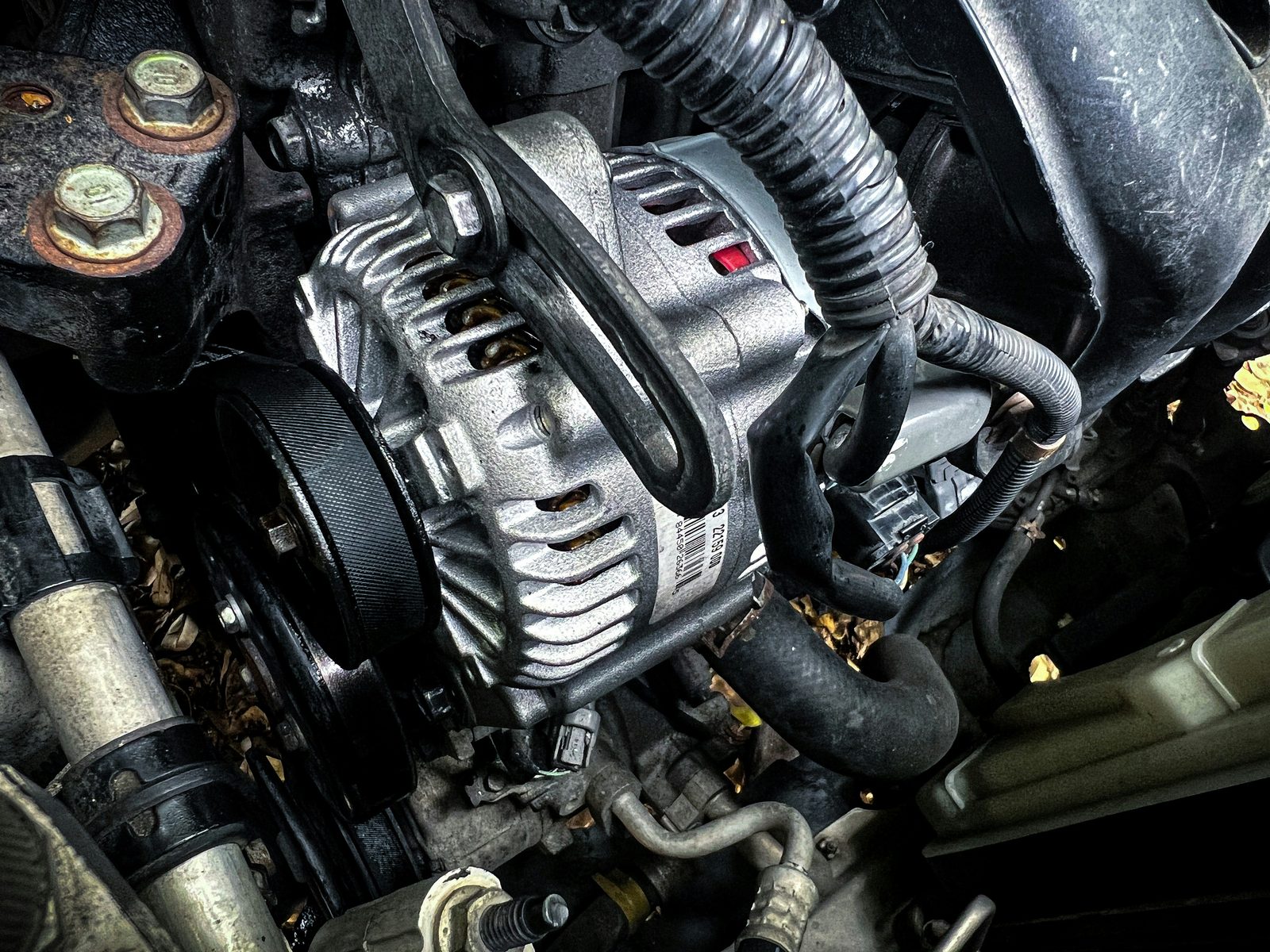
We begin by checking coolant level and condition, then inspect the water pump, hoses, radiator, thermostat area, surge tank, and visible connections. Pressure testing may help expose a slow leak while the truck is stationary.
We also verify the cooling fan's operation and review temperature data as needed. If overheating has already occurred, additional testing may be appropriate to ensure no secondary engine damage has developed.
Repair the Leak Before Flushing Coolant
A cooling system flush replaces old coolant, but it will not repair a failed pump, a split hose, a damaged radiator, or a leaking gasket. We correct the mechanical problem first.
Chevrolet specifies DEX-COOL coolant meeting the proper GM standard for Silverado cooling systems. After repair, we refill the system with the correct coolant and follow the correct procedure, remove trapped air, verify circulation, and confirm a stable operating temperature.
Schedule Silverado Cooling System Repair
If your Chevrolet Silverado is leaking coolant, running hot, or showing an overheating warning near Willow Glen, contact Driven Auto Care of San Jose, CA. We will inspect the cooling system, explain our findings, and recommend the repair needed for dependable operation.