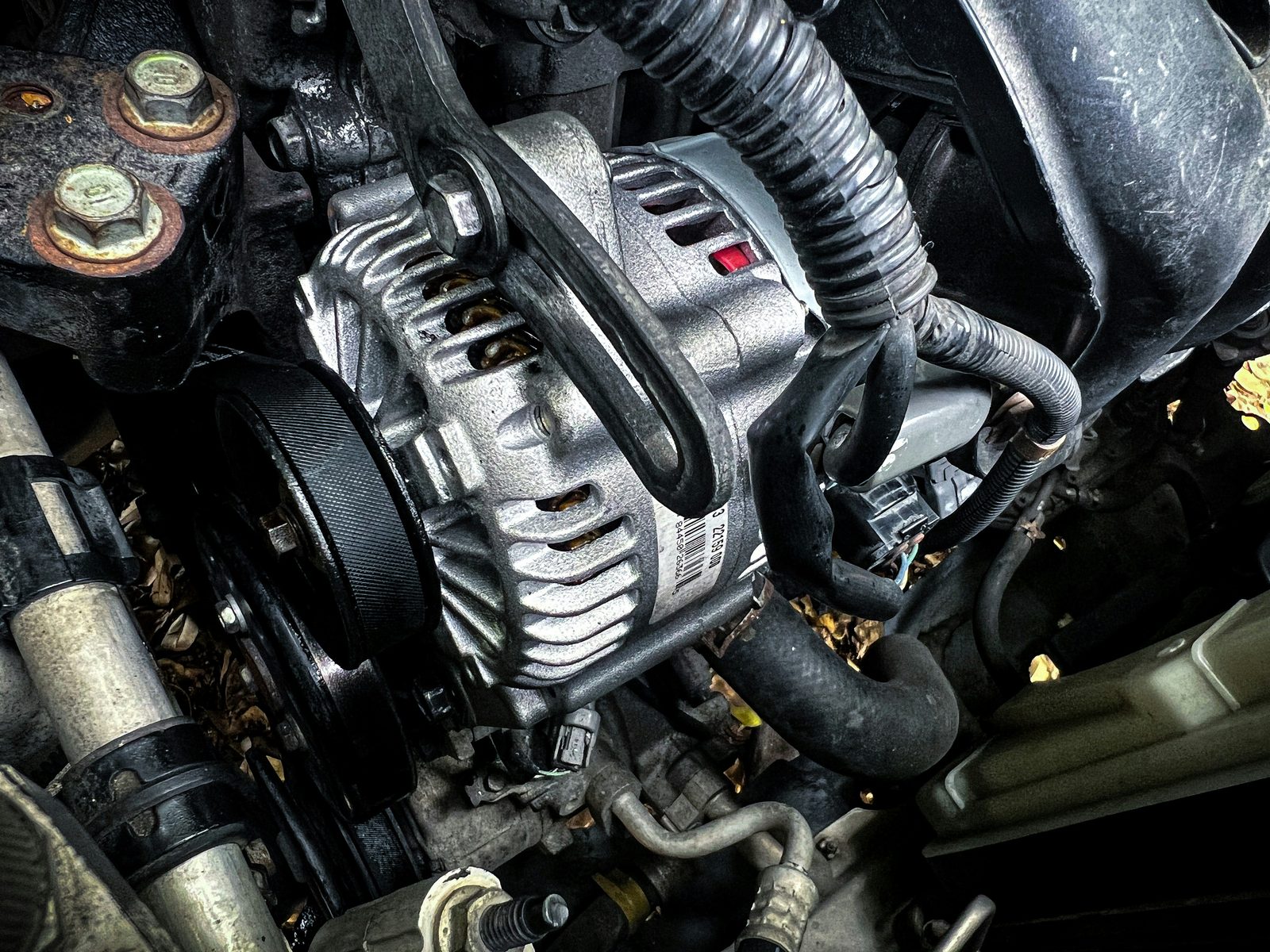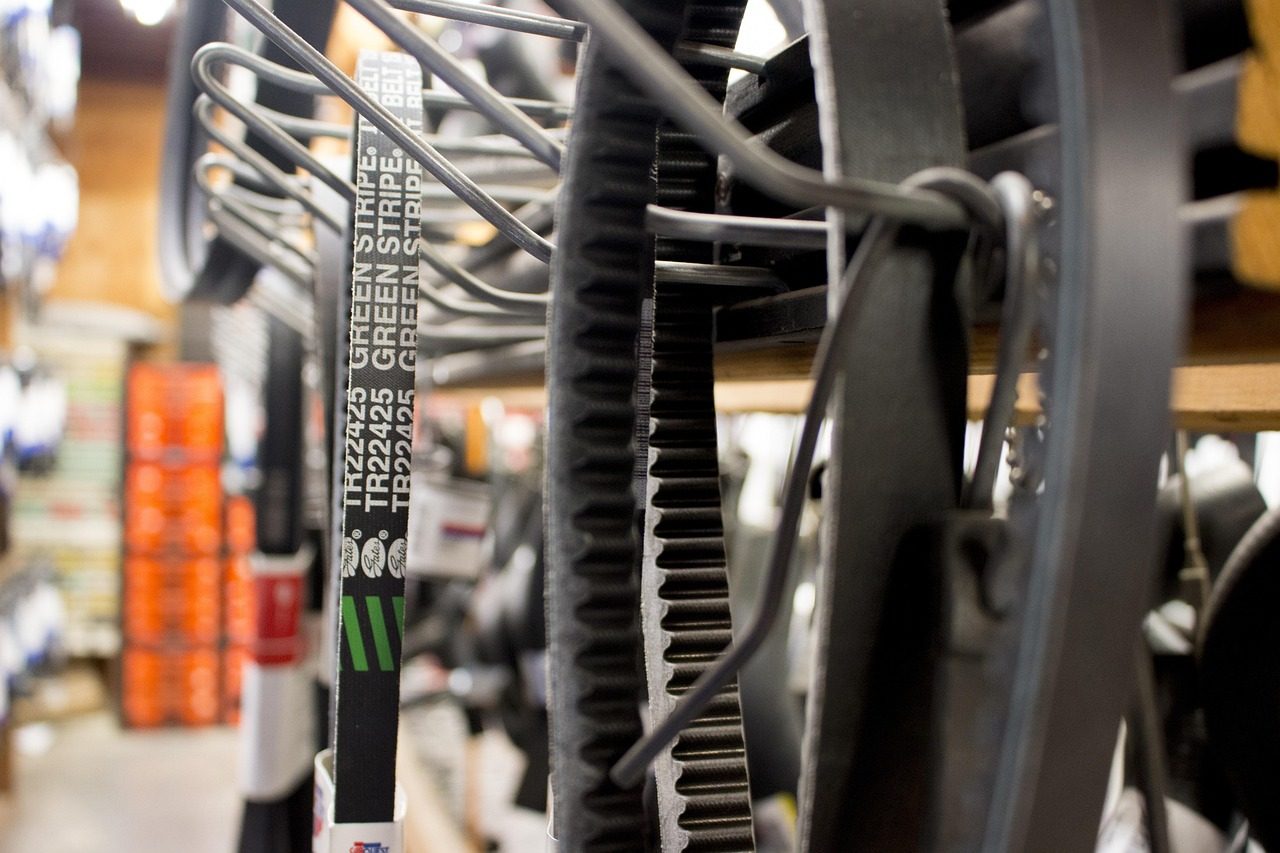
A Subaru Outback serpentine or accessory drive belt works every time the engine runs. Depending on model year and engine, the belt drives components such as the alternator and air-conditioning compressor. Age, heat, pulley wear, contamination, or tension problems may damage the belt and create noise or accessory trouble.
At Driven Auto Care of San Jose, CA, we help Willow Glen drivers identify belt problems before a roadside breakdown. Our San Jose shop offers serpentine belt replacement, engine diagnostics, alternator replacement, charging system diagnostics, and AC repair. We inspect the belt along with the pulleys and tensioning components because installing a new belt will not correct a damaged pulley or failing tensioner.
Listen for Squealing or Chirping
A sharp squeal or repeating chirp from the front of the engine often deserves inspection. Belt noise may come from worn ribs, improper tension, pulley misalignment, or a bearing beginning to fail. Subaru's parts information notes that a worn drive-belt idler pulley may contribute to belt wear or squealing.
Noise alone does not confirm belt failure. An alternator bearing, AC compressor pulley, tensioner, or another rotating component may make a similar sound. We listen to the complaint, inspect the belt path, and check pulley condition before recommending repair.
Look for Cracks, Fraying, or Contamination
A belt with visible fraying, missing rib material, glazing, deep cracks, or oil contamination should be evaluated. Fluid leaking onto the rubber may shorten the belt's life, while a pulley with rough movement may quickly damage a replacement belt.
Subaru maintenance guidance also treats drive belts as inspection items. For 2022 Subaru vehicles, the warranty and maintenance booklet calls for drive-belt inspection at 30,000-mile intervals, beginning at 30,000 miles. Service needs may vary with model year, mileage, operating conditions, and previous repairs.
Pay Attention to Charging Problems
The drive belt and charging system work together on many Outback configurations. If the belt slips, breaks, or stops the alternator from turning properly, the battery or charge warning light may appear.
Subaru owner information advises drivers to stop the engine at the first safe opportunity if the charge warning light appears while driving and to check the alternator belt. A loose or broken belt needs prompt attention. Continuing to drive with a charging problem may leave the vehicle unable to restart once battery energy is depleted.
AC Performance May Change
Because the accessory belt may drive the AC compressor, belt slip or pulley trouble may also affect air-conditioning operation. A squeal when the compressor engages, intermittent cooling, or visible belt movement may point toward an accessory-drive problem.
We avoid assuming the belt is responsible. Electrical faults, refrigerant issues, or compressor failure can cause similar AC symptoms, so testing matters.
Do Not Ignore Pulley and Tensioner Wear
A belt rarely works alone. Tensioners and idler pulleys keep the belt aligned and loaded correctly. Subaru issued service information for 2015 Outback models with the 3.6-liter engine describing revised accessory-drive belt tensioner components designed to increase rigidity. The bulletin applies only to specific vehicles, but it illustrates why engine configuration matters during diagnosis.
When we replace a worn belt, we also inspect pulleys for wobble, rough bearings, misalignment, and abnormal resistance. Correcting the root problem helps protect the new belt.
Schedule Subaru Outback Belt Service
If your Subaru Outback squeals, shows visible belt wear, develops a charging warning, or has accessory-drive noise near Willow Glen, contact Driven Auto Care of San Jose, CA. We will inspect the belt system, explain our findings, and recommend repairs based on the confirmed cause.