A tire-pressure warning on a Honda CR-V should never be ignored, but it does not always mean a failed TPMS sensor. Low pressure, temperature changes, recent tire service, calibration issues, or a system fault may all cause the indicator to turn on. The correct repair depends heavily on model year because Honda has used more than one TPMS design on the CR-V.
At Driven Auto Care of San Jose, CA, we help local drivers sort out tire-pressure warnings before replacing parts. Our San Jose shop offers tire rotation, balancing, repair, replacement, wheel alignment, and TPMS sensor replacement. We start with tire condition and pressure, then identify which TPMS design the CR-V uses.
Understand Direct and Indirect TPMS Designs
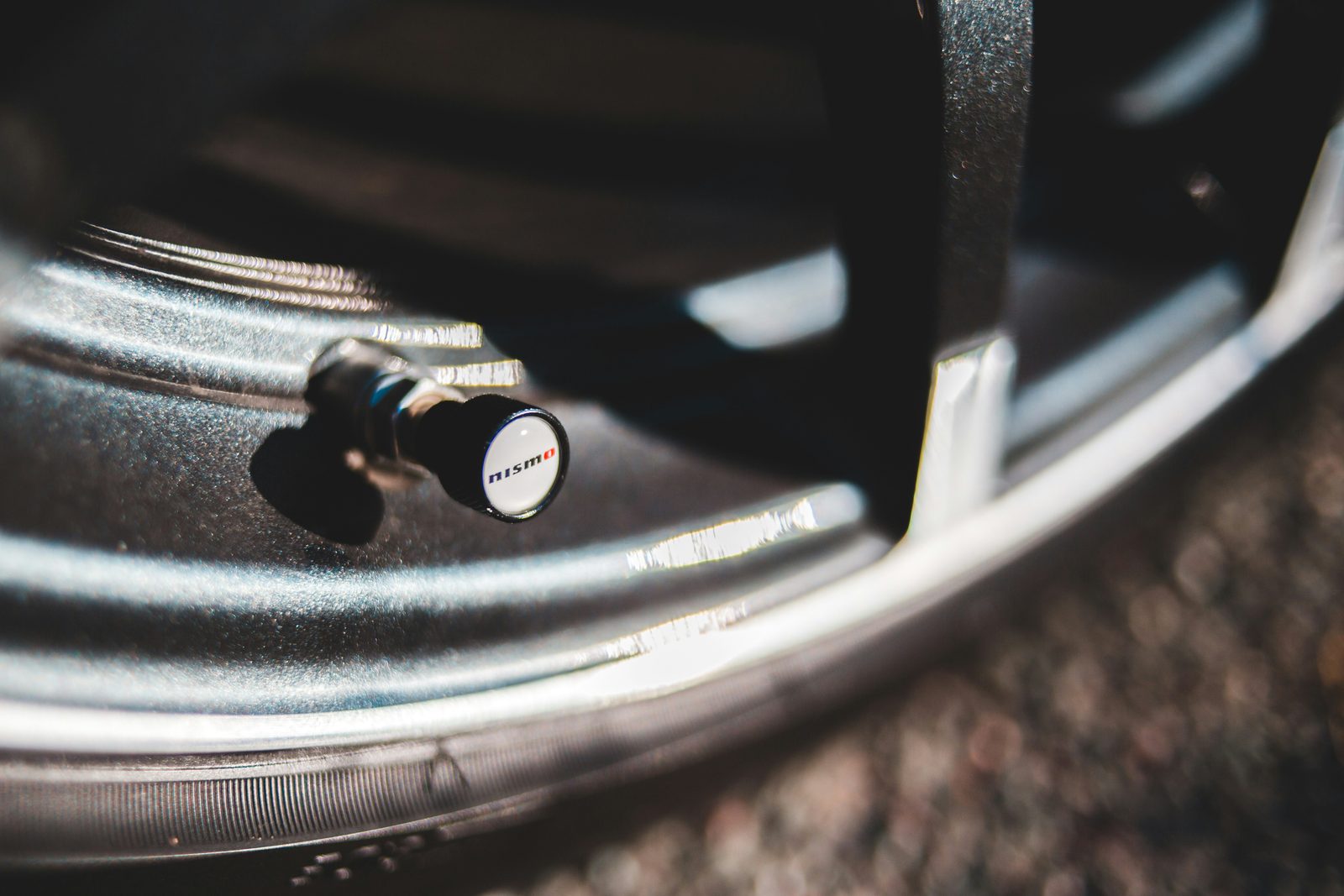
Older CR-V models may use direct tire-pressure sensors mounted at the wheels. Honda service information for 2012-2013 CR-V models describes four tire-pressure sensors whose identification numbers must be memorized by the TPMS control unit after sensor replacement.
Beginning with the 2014 CR-V, Honda moved to an indirect design on many U.S. models. Instead of measuring pressure with a sensor inside each wheel, the system compares wheel-speed and tire-rotation characteristics while driving. Current CR-V owner information still describes this indirect approach.
This difference matters. A newer CR-V may display a TPMS warning even though no tire-pressure sensor exists inside the wheel to replace.
Check Tire Pressure Before Chasing a Fault
Honda recommends checking tire pressure when tires are cold. For the 2024 CR-V, cold means the vehicle has been parked for at least three hours or driven less than 1 mile. Pressure should match the specification on the driver’s doorjamb label.
Temperature changes may also affect pressure. Honda notes colder weather may reduce tire pressure enough to trigger the warning. If a tire repeatedly loses air after inflation, we inspect for punctures, valve problems, bead leaks, wheel damage, or other tire concerns.
Calibration May Be the Only Service Needed
Indirect TPMS-equipped CR-V models require calibration after tire pressure is adjusted, tires are rotated, or one or more tires are replaced. Honda says calibration occurs while driving and may take about 30 minutes of cumulative driving within the specified speed range.
If the light remains on after correct inflation and calibration, the system needs further diagnosis. A blinking warning followed by a steady light may also indicate a TPMS problem.
When Sensor Replacement Applies
On CR-V models equipped with direct sensors, sensor batteries, internal electronics, valve hardware, or physical damage may eventually fail. Diagnosis may include scanning for TPMS faults, identifying which sensor is not communicating, and checking sensor IDs.
When a direct sensor is replaced, programming or ID registration may be required for the vehicle to recognize the new component. Honda service information for earlier CR-V models specifically calls for memorizing the sensor ID after replacement.
Do Not Ignore Tire Condition
A TPMS warning is only part of the tire-safety picture. We also inspect tread depth, sidewall condition, wear patterns, pressure, and wheel condition. An alignment problem or damaged tire will not be corrected by resetting the TPMS.
Schedule Honda CR-V TPMS Service
If your Honda CR-V shows a low tire-pressure or TPMS warning in San Jose, contact Driven Auto Care of San Jose, CA. We will identify the system type, inspect the tires, check pressure and calibration, and recommend sensor replacement only when the vehicle actually uses a failed direct sensor.