A Nissan Altima’s ABS warning light deserves attention even when the car still seems to stop normally. The anti-lock braking system helps prevent wheel lock during hard braking, especially on wet or slippery roads. When its warning light remains on, the system may have stored a fault and anti-lock assistance may be unavailable.
At Driven Auto Care of San Jose, CA, we help local Altima owners identify the problem before parts are replaced. Our San Jose shop provides brake inspections, ABS repairs, brake fluid flushes, brake line and hose repairs, caliper replacements, pad service, and rotor replacements. We begin with diagnosis because several electrical, hydraulic, and mechanical issues may trigger similar warnings.
Know What the ABS Warning Light Means
Nissan’s Altima owner information states that the ABS light should illuminate briefly when the ignition is turned on, then switch off. If it stays on while the engine is running or appears while driving, Nissan advises having the system checked. When an ABS malfunction occurs, conventional braking may continue, but anti-lock assistance may be disabled.
An ABS warning does not always mean the vehicle has lost all braking ability, but emergency braking behavior may change. We recommend scheduling diagnosis instead of waiting for another warning or a change in pedal feel.
Watch for ABS and Brake Lights Together
A separate red brake warning light may indicate low brake fluid, the parking brake, or another brake-system concern, depending on the model year. Nissan guidance for earlier Altima models warns drivers to take extra care when both the ABS and brake warning lights remain illuminated.
If the brake pedal feels soft, sinks toward the floor, stopping distance increases, or brake fluid falls below the minimum mark, avoid driving and arrange service. These symptoms require immediate inspection.
Wheel Speed Sensors May Trigger ABS Faults
The ABS relies on wheel-speed information to compare how fast each wheel rotates. A damaged sensor, wiring fault, connector problem, or related signal issue may cause the control system to disable ABS and store a diagnostic trouble code.
A warning light alone does not identify which component failed. We scan the ABS module, record stored codes, inspect wiring and connectors, and compare wheel-speed data when appropriate. Nissan service guidance specifically advises technicians to fully diagnose wheel-speed sensor codes before replacing a sensor.
Do Not Replace the ABS Module From a Code Alone
Nissan technical guidance for ABS and Vehicle Dynamic Control diagnosis directs technicians to diagnose stored trouble codes before replacing the ABS/VDC actuator and control unit. Nissan also advises against erasing codes before diagnosis because stored information helps guide testing.
We use codes as clues, not automatic parts orders. Depending on the results, the repair may involve a sensor, wiring, a brake fluid issue, a hydraulic component, an ABS actuator, or another part of the braking system.
Brake Fluid and Mechanical Parts Still Matter
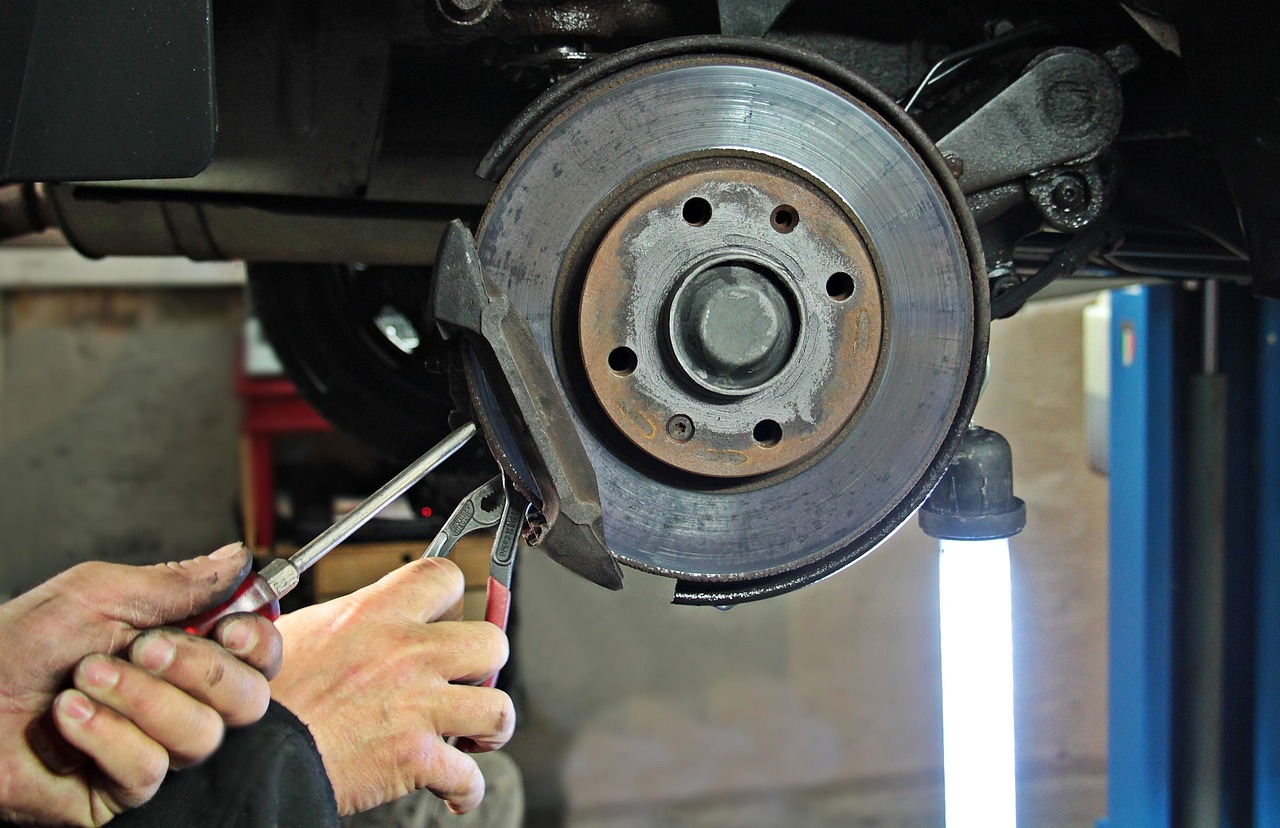
An electronic ABS fault may appear alongside ordinary brake wear. During inspection, we also check fluid condition and level, brake hoses, lines, pads, rotors, calipers, and visible hardware. If the Altima pulls, vibrates, grinds, or produces a soft pedal, those symptoms may require repairs beyond the ABS warning itself.
A broader brake inspection helps us address safety concerns rather than focusing solely on the dashboard light.
Schedule Nissan Altima Brake Diagnosis
If your Nissan Altima has an ABS warning light, a brake warning light, an unusual pedal feel, or changing stopping performance in San Jose, contact Driven Auto Care of San Jose, CA. We will inspect the system, explain our findings, and recommend the necessary repairs to ensure dependable braking.