A Ford Explorer should respond smoothly when you turn the wheel, park, or change lanes. If steering becomes heavy, noisy, inconsistent, or accompanied by fluid under the vehicle, the system needs to be inspected. However, Explorer steering designs changed across generations, so identifying the model year is the first step.
At Driven Auto Care of San Jose, CA, we help Santa Clara drivers diagnose steering concerns before replacing parts. Our San Jose service menu includes suspension diagnosis, steering rack replacement, power steering pump replacement, power steering fluid flushes, tie rod replacement, wheel bearing service, and wheel alignment. We test the entire system to ensure the repair matches the vehicle and the actual failure.
Older Explorers May Use Hydraulic Power Steering
Some older Ford Explorers use hydraulic power steering. The 2010 Explorer owner’s guide includes a power steering fluid reservoir and instructs owners to keep fluid between the MIN and MAX marks. Low fluid levels may make steering effort heavier and often point to leakage somewhere in the hydraulic system.
Possible leak locations include hoses, fittings, the steering rack, pump seals, or the reservoir. A whining or groaning sound while turning may also occur when fluid levels are low, or the pump struggles to build pressure.
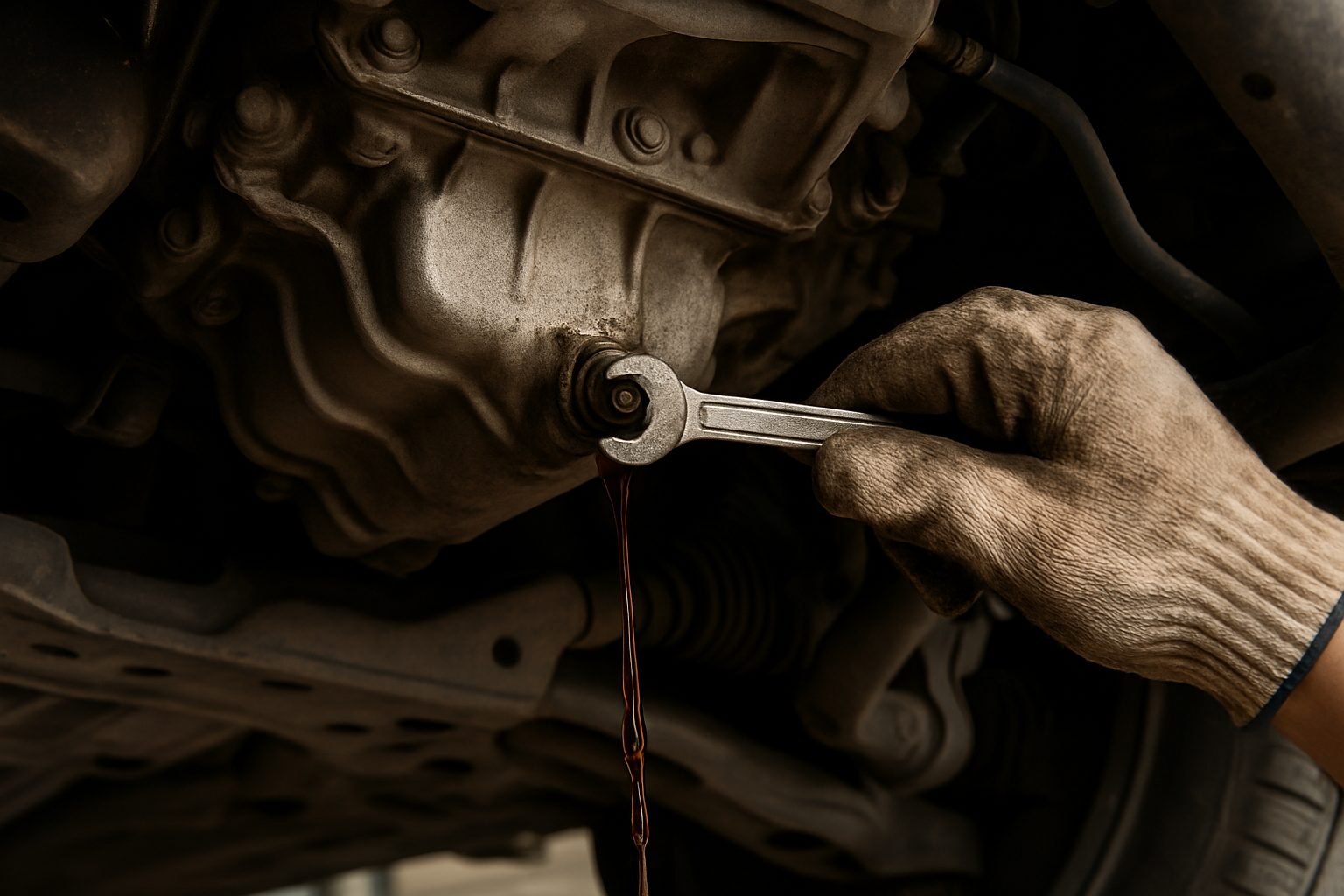
We inspect the reservoir, hoses, pump, rack, fittings, and surrounding areas for wetness or residue. If fluid loss is present, we find the source before topping off or flushing the system. Adding fluid without repairing the leak only delays the problem.
Newer Explorers Use Electric Power Steering
Many newer Explorer models use electric power steering instead of a hydraulic pump. Ford owner information for 2016, 2017, and 2020 Explorers states these vehicles have electric power steering and no fluid reservoir to check or fill.
This distinction matters when a newer Explorer appears to have a “power steering fluid leak.” The fluid may be coming from another system, while the steering complaint may involve an electrical or mechanical fault. We identify the leaking fluid and inspect the steering system separately, rather than assuming both symptoms share a single cause.
Watch for Steering Warning Messages
Electric power steering faults may produce messages such as “Steering Malfunction Service Now,” “Service Power Steering Now,” or “Steering Assist Fault.” Ford advises drivers to stop safely and have the system checked when steering assistance is lost or a serious warning returns.
A steering problem may involve the electric steering gear, wiring, connectors, battery voltage, charging system, sensors, or control modules. Mechanical concerns such as worn tie rods, suspension parts, or alignment problems may also affect steering feel.
What Our Steering Diagnosis Includes
We begin by asking when the problem occurs. Heavy steering only at low speed differs from pulling on the highway or a clunk during turns. Next, we inspect tires, suspension, steering joints, fluid systems, and electrical connections as appropriate for the Explorer.
For hydraulic systems, we check fluid level, leak points, pump operation, hoses, and rack condition. For electric systems, we scan for faults, review steering-related data, inspect electrical supply, and evaluate the steering gear.
Schedule Ford Explorer Steering Repair
If your Ford Explorer leaks fluid, feels difficult to steer, makes noise while turning, or displays a steering warning near Santa Clara, contact Driven Auto Care of San Jose, CA. We will identify the steering design, diagnose the source, explain our findings, and recommend the repair needed for safe, predictable handling.