A Toyota Corolla may start normally for weeks, then suddenly need a jump after sitting overnight or through a weekend. When the battery keeps going dead, replacing it without testing the electrical system may only reset the problem. A weak battery is one possibility, but key-off electrical draw, charging issues, loose connections, or an accessory that stays powered may also be involved.
At Driven Auto Care of San Jose, CA, we help Willow Glen drivers trace battery drain to its source. Our San Jose Toyota service menu includes charging system diagnosis, battery replacement, alternator replacement, starter replacement, computer diagnostics, sensor replacement, and electrical system troubleshooting. We test first because several faults may produce the same no-start complaint.
Start With Battery Condition and Connections
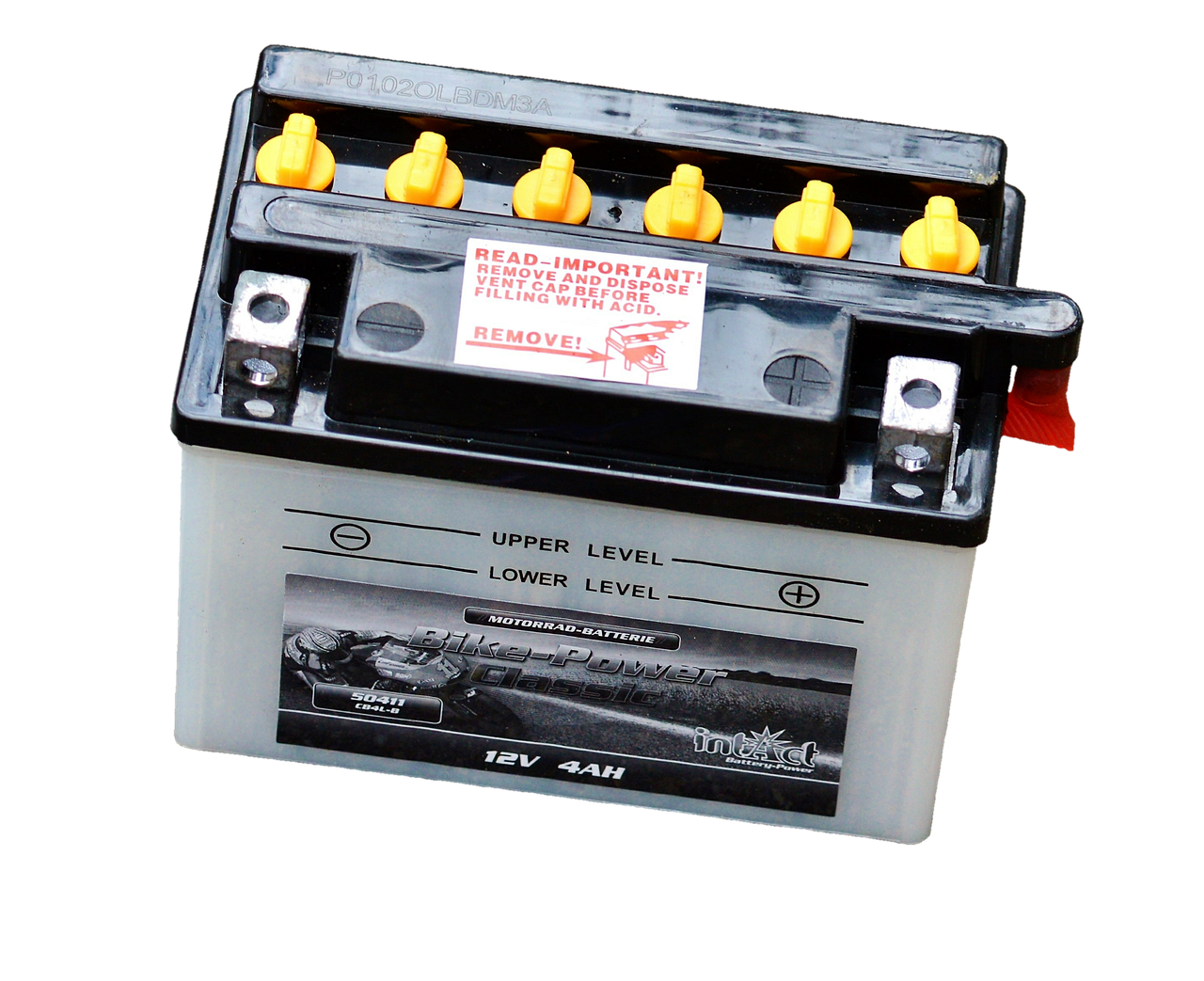
Battery drain diagnosis begins with the battery itself. Age, repeated deep discharge, heat exposure, corrosion, or a loose terminal may reduce available starting power. Toyota notes hard starting, dim headlights, and electrical changes may appear when a battery becomes weak.
We inspect the terminals, cables, grounds, and battery case before measuring state of charge and battery performance. If the battery has been deeply discharged, it may require proper charging before an accurate test. Installing a new battery without identifying the cause of repeated discharge may result in another dead battery.
Check the Charging System Next
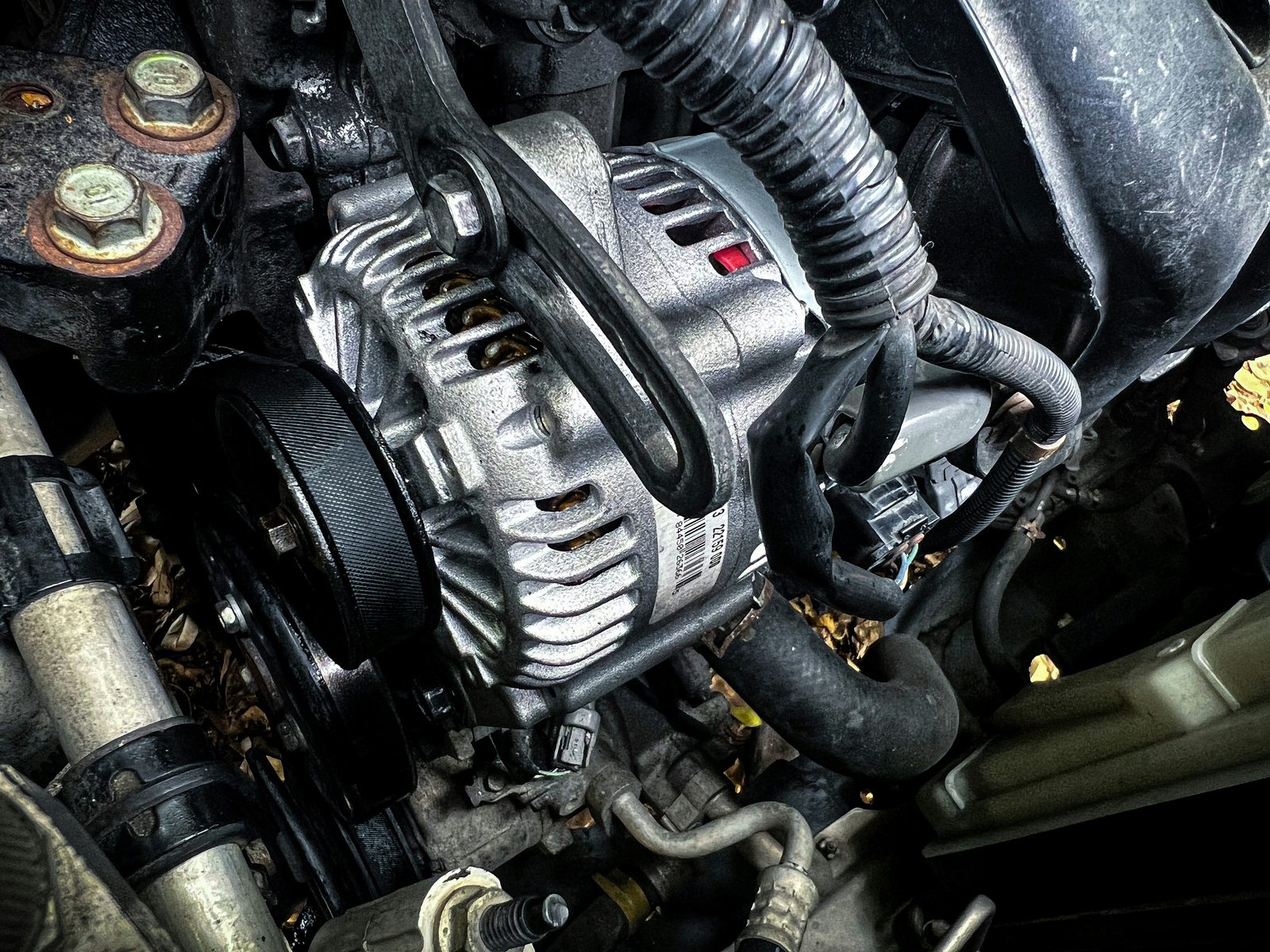
The alternator must recharge the electrical system while the engine runs in Corolla models. Toyota identifies the charging system warning light as an indication of a charging-system malfunction.
We measure the charging voltage and output, then inspect the connections and the belt drive, where applicable. A weak alternator, damaged cable, poor ground, or belt issue may leave the battery undercharged even when the vehicle still starts.
Look for Power Use After the Car Is Off
Some battery-drain problems happen after parking. A light, an accessory, a control module, a charger, or an aftermarket device may continue drawing power even with the vehicle off. Toyota Corolla owner information warns against leaving the vehicle in ACCESSORY or IGNITION ON mode for extended periods without the engine running because battery discharge may occur.
During a parasitic-draw test, we measure key-off current after the vehicle’s electronic modules have had time to shut down. If the current remains excessive, we isolate the circuits and inspect components on the affected circuit rather than guessing.
Model Year and Equipment Matter
Modern Corollas contain networked electronics, smart-key systems, infotainment equipment, and telematics hardware. Toyota has issued model-specific service information for certain vehicles involving 12-volt battery discharge.
For example, a Toyota bulletin covering some 2020-2021 vehicles, including 2021 Corolla models, addressed depleted 12-volt batteries linked with Data Communication Module software. This example does not mean every Corolla battery drain comes from the DCM. It shows why we verify model year, equipment, fault history, and applicable service information before choosing a repair path.
Gas and Hybrid Corollas Need Different Approaches
A Corolla Hybrid uses both a 12-volt electrical system and a high-voltage hybrid system, so diagnosis differs from a conventional gasoline Corolla. A no-start condition does not automatically mean the hybrid battery has failed.
We identify the powertrain first, then follow the correct testing procedure. This keeps troubleshooting focused and avoids replacing expensive components without evidence.
Schedule Corolla Electrical System Service
If your Toyota Corolla repeatedly needs a jump, loses battery power while parked, starts slowly, or shows electrical warnings near Willow Glen, contact Driven Auto Care of San Jose, CA. We will test the battery, charging system, and key-off electrical draw, explain our findings, and recommend the repair needed for dependable starting.