A rattle from an Acura MDX can be unsettling, especially when it appears during startup or acceleration. Drivers often describe metallic ticking, brief rattling, tapping, or buzzing as “timing chain noise,” but these sounds do not identify the failed part. Accurate diagnosis is important because several engine and accessory components can produce similar noises.
At Driven Auto Care of San Jose, CA, we help Sunnyvale drivers trace engine noise to its source before recommending repair. Our Acura service menu includes engine diagnosis, engine repair, timing belt replacement, crankshaft and camshaft sensor replacement, oil leak repair, tune-ups, and computer diagnostics. We test first so the repair matches the problem.
Start With an Important MDX Timing Detail
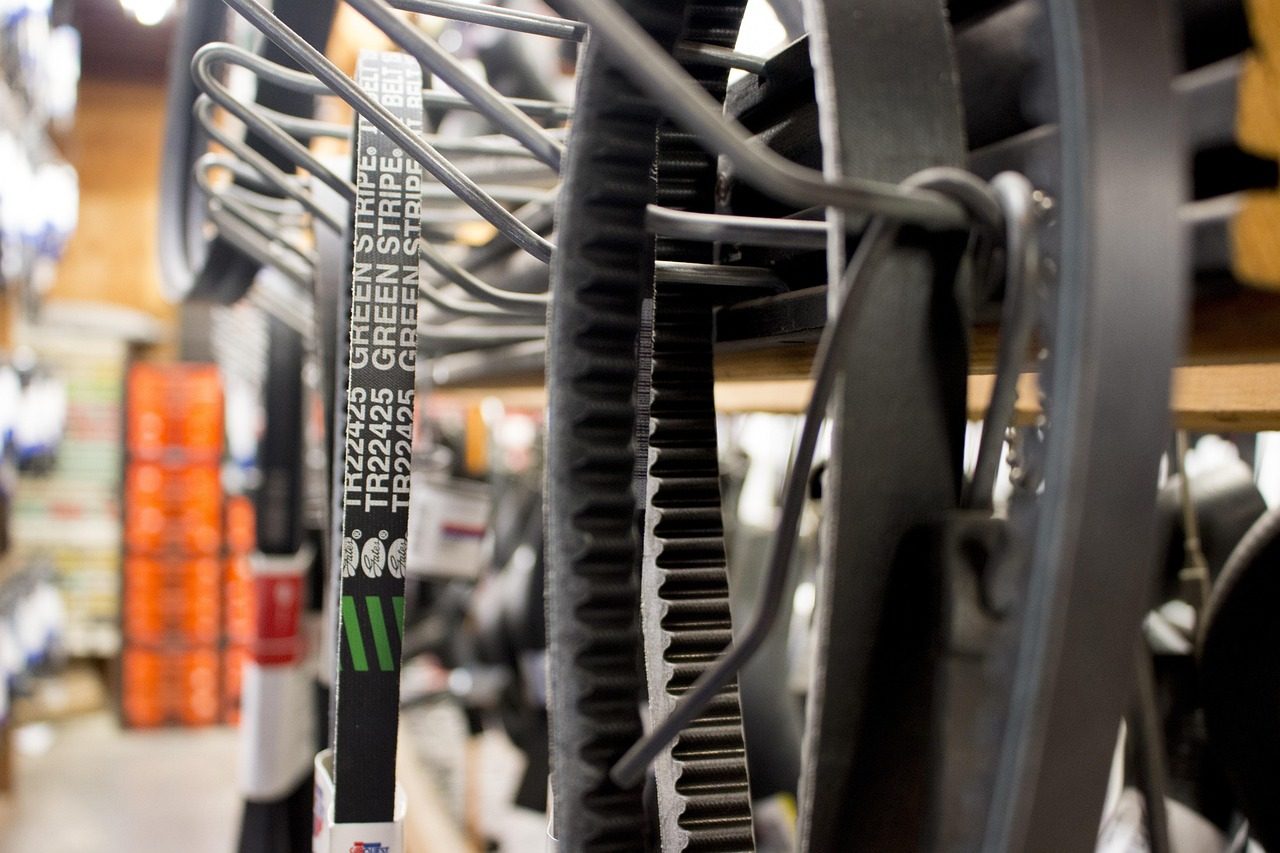
Before assuming a timing chain has failed, identify the MDX model year and engine. Acura’s maintenance information for the 2020 MDX lists timing belt replacement and water pump inspection under maintenance item 4. The 2022 MDX Maintenance Minder also specifies timing belt replacement and water pump inspection.
This distinction matters. A customer may hear a rattle and call it timing chain noise, but many MDX gasoline powertrains use a timing belt rather than a timing chain. We verify the engine configuration before discussing timing-related repairs.
Listen for When the Rattle Happens
The timing of the noise gives us valuable clues. A rattle lasting a few seconds during a cold start may point us toward a different test path than a constant noise at idle. A sound that appears only under acceleration, during steering input, or with the air conditioner engaged may be caused by an accessory, pulley, belt drive, mount, or another rotating component.
We ask when the noise starts, how long it lasts, whether engine temperature changes it, and whether a warning light appears. Those details help us reproduce the complaint instead of chasing a sound we cannot confirm.
Oil Condition Can Affect Engine Noise
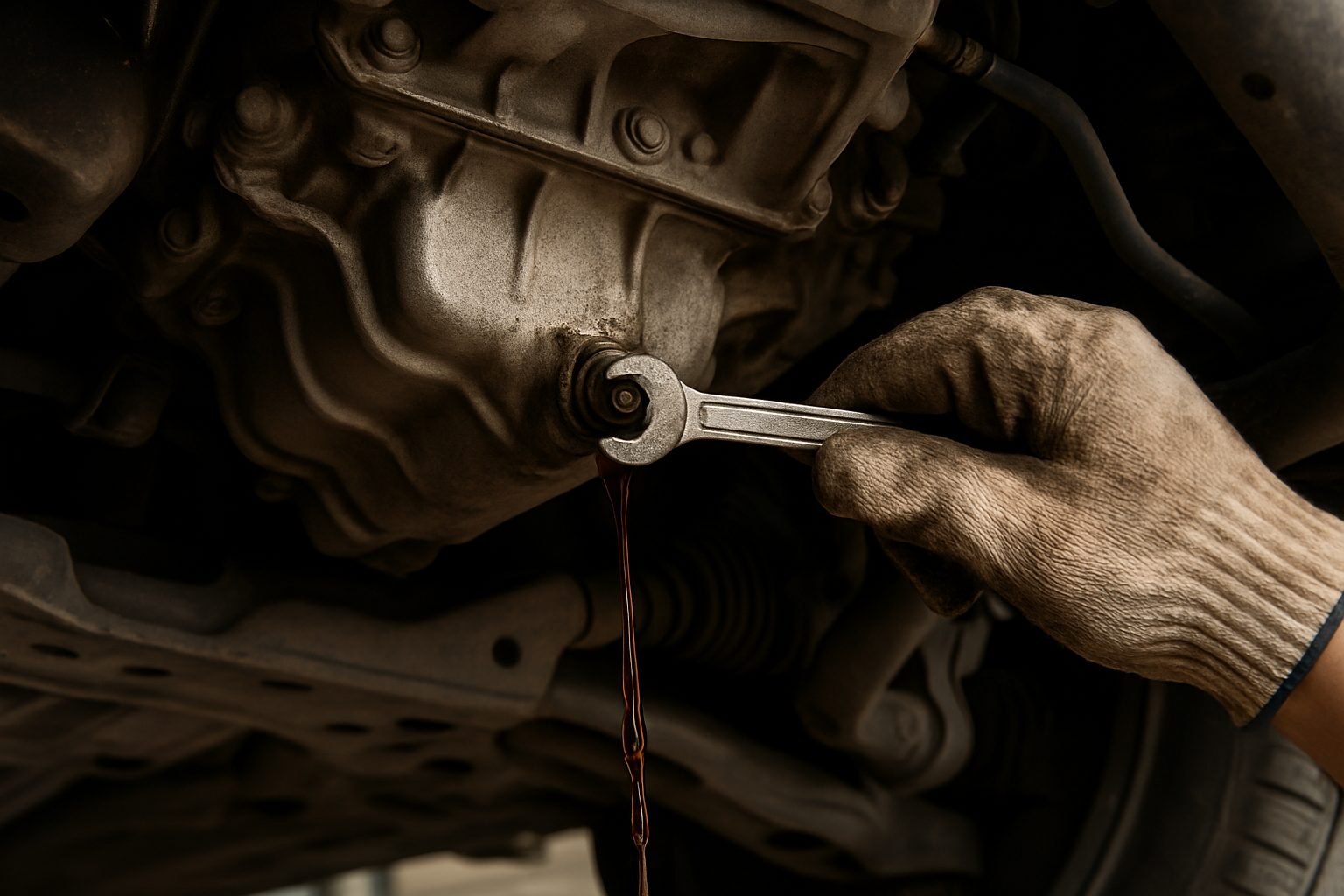
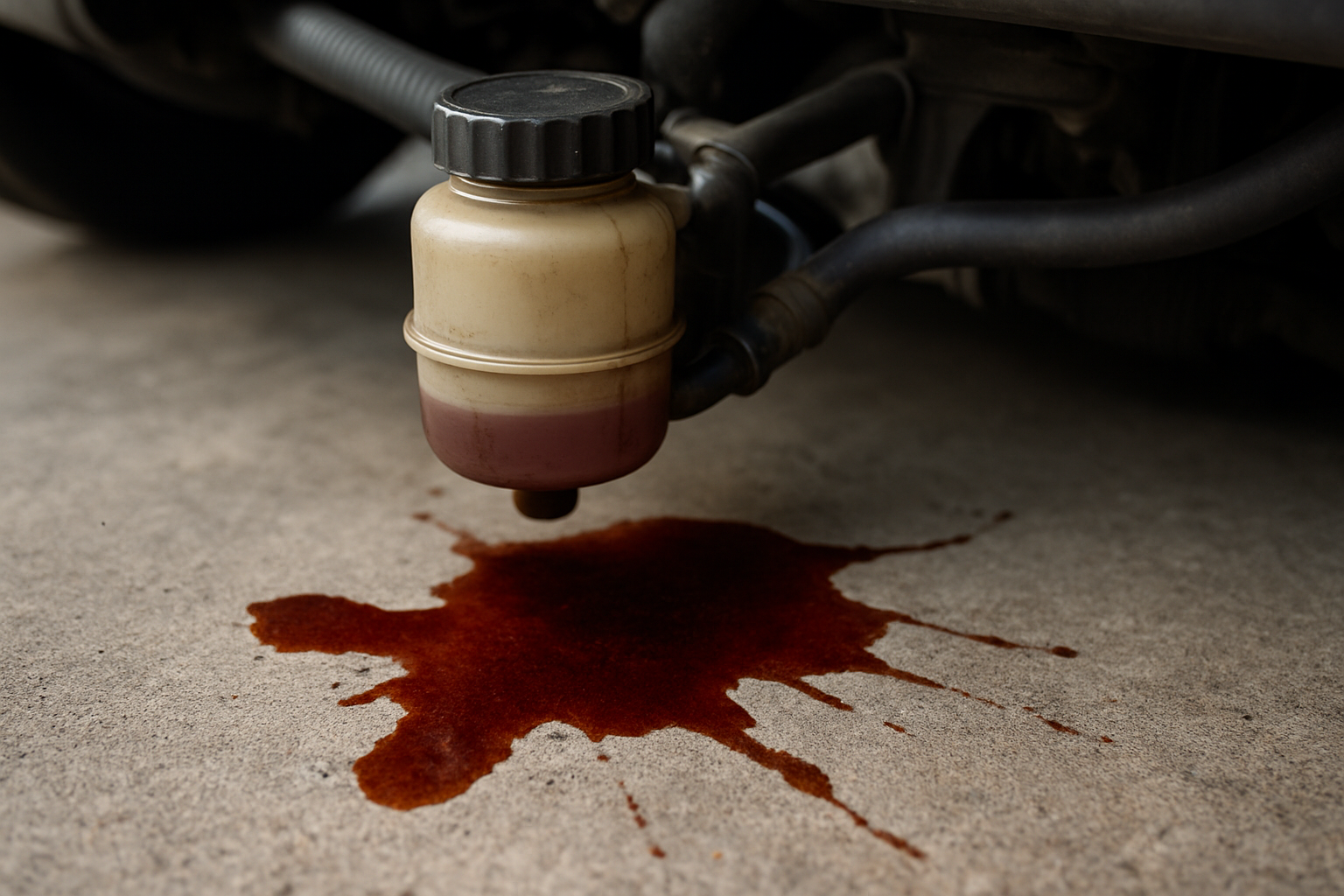
Engine oil supports lubrication and hydraulic operation throughout the engine. Low oil level, incorrect viscosity, overdue service, or pressure problems may contribute to valvetrain or other mechanical noise.
We check oil level and condition early in the diagnostic process. If the MDX has a warning light, rough running, or stored fault codes, we scan the engine control system and review relevant operating data. A rattle combined with low oil pressure deserves immediate attention.
What Our Engine Noise Diagnosis Includes
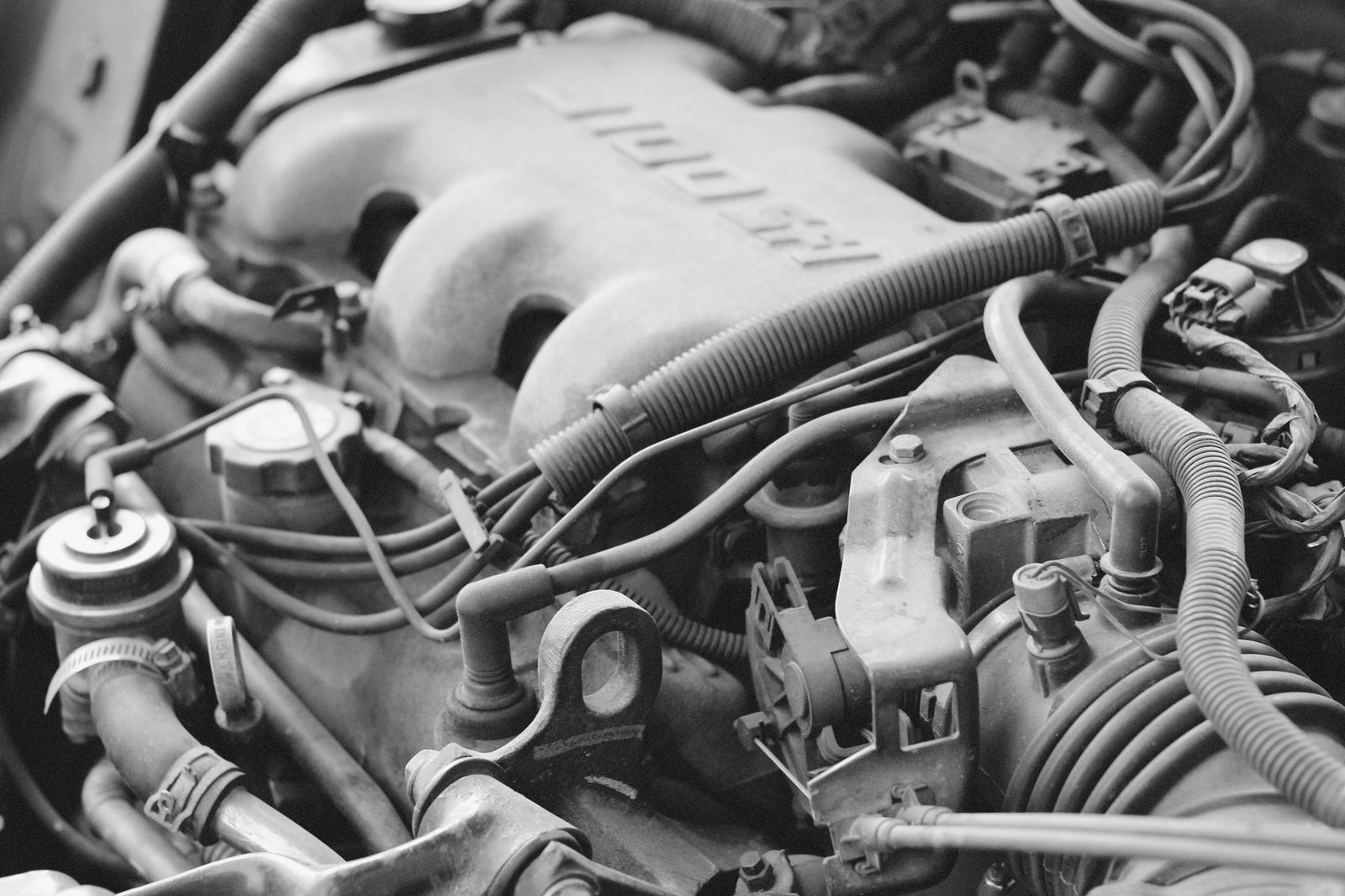
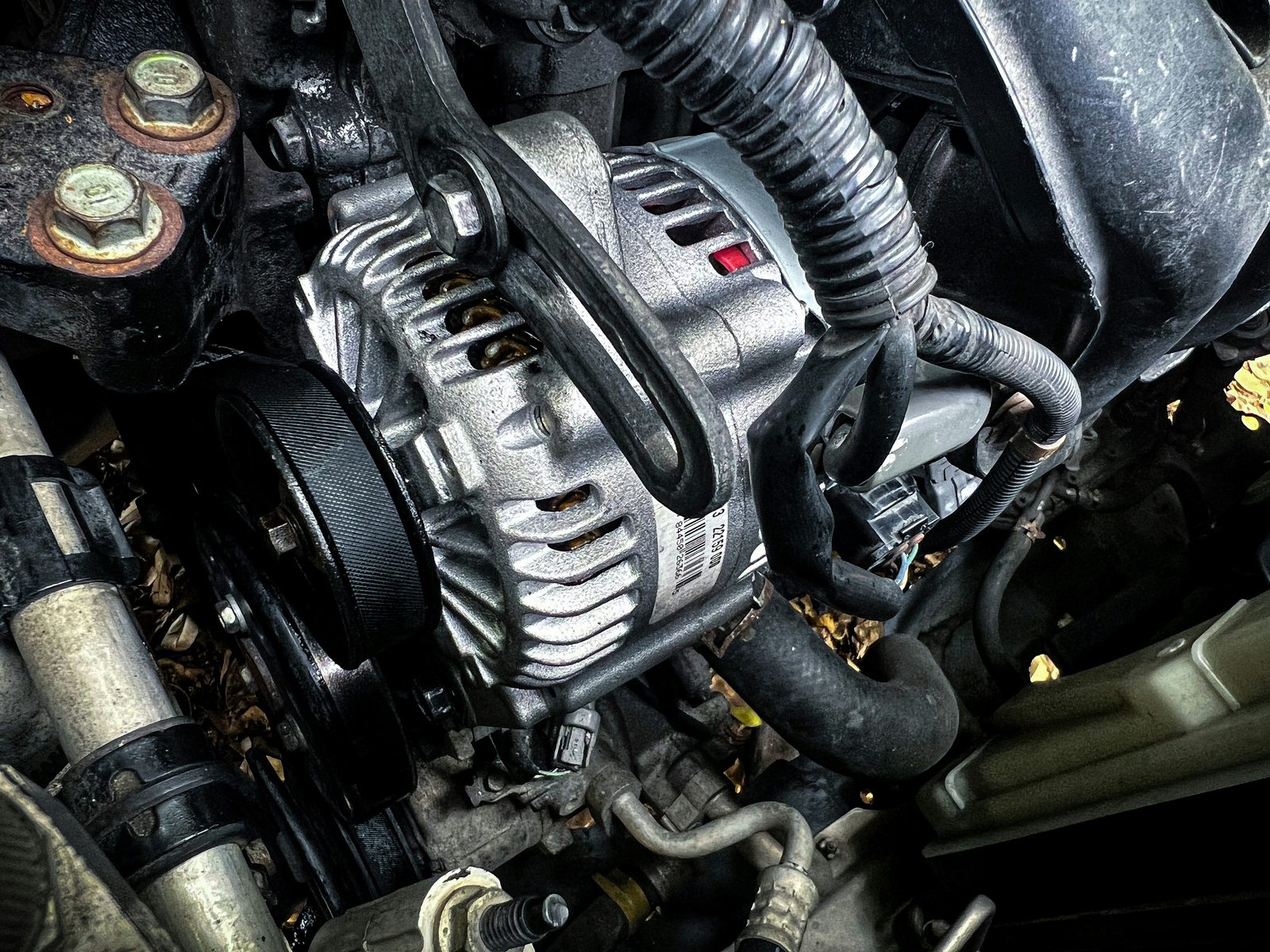
Our inspection may include a cold start, a warm idle test, a road test, a visual inspection, and targeted listening around the engine. We check the accessory belt drive, pulleys, tensioners, mounts, fluid levels, and visible timing-related components where accessible.
If symptoms point toward an internal engine concern, additional testing may include oil pressure checks, cylinder-related diagnostics, or deeper mechanical inspection. We also look for loose heat shields, brackets, and exhaust components, as these parts can cause metallic noises that are easily mistaken for internal engine trouble.
Do Not Replace Parts Based on Sound Alone
A rattle does not automatically mean the engine needs major timing repair. Replacing a belt tensioner, pulley, mount, or timing component without confirming the failure may not resolve the original noise.
Once we identify the source, we explain the findings and repair options. If timing belt service is due per the MDX maintenance schedule, we will discuss it separately from the noise diagnosis.
Schedule Acura MDX Engine Diagnosis
If your Acura MDX develops rattling, ticking, tapping, or other engine noises near Sunnyvale, contact Driven Auto Care in San Jose, CA. We will identify the engine configuration, reproduce the symptom, and recommend repair based on confirmed findings.