A Ford F-150 should move into gear promptly and shift smoothly as speed and load change. When the truck pauses before engaging drive or reverse, hangs between gears, shifts hard, or feels slow to respond during acceleration, the transmission needs attention. Delayed shifting may start intermittently, but continued driving may increase heat and internal wear.
At Driven Auto Care of San Jose, CA, we help local F-150 owners find the cause before recommending repairs. Our San Jose service menu includes transmission diagnosis, repair, replacement, rebuilds, fluid service, differential work, driveshaft service, and transfer case service. We start with testing because fluid concerns, software issues, valve-body problems, solenoid issues, wiring problems, or internal wear may cause similar symptoms.
Notice When the Delay Happens
The timing of the problem gives us useful clues. A delay after selecting drive or reverse differs from a hesitation during an upshift. Some trucks may shift normally when cold, then act up after warming. Others may develop a hard shift under acceleration, towing, or stop-and-go driving.
Ford owner information advises service when an automatic transmission slips, shifts slowly, or shows signs of fluid leakage. Many F-150 transmissions do not use a traditional dipstick, so fluid level and condition require the correct service procedure rather than a quick driveway check.
Ten-Speed F-150 Models Need Careful Diagnosis
Ford introduced the 10-speed automatic in the F-150 for the 2017 model year, and delayed or harsh shifting has appeared in Ford technical service information for certain trucks.
A 2025 Ford bulletin covers some 2017-2020 F-150s with the 10R80 transmission that exhibit harsh or delayed engagement, or harsh or delayed shifts. Ford identifies possible hydraulic leakage around the CDF clutch cylinder sleeve as one cause. Separate guidance for certain 2021-2022 F-150s also addresses harsh or delayed engagement and delayed or harsh shifting in 10R80-equipped trucks.
These bulletins do not mean every shifting delay requires major internal repair. Model year, transmission type, build date, fault codes, road-test behavior, and test results all matter.
Transmission Fluid Problems May Affect Shifting
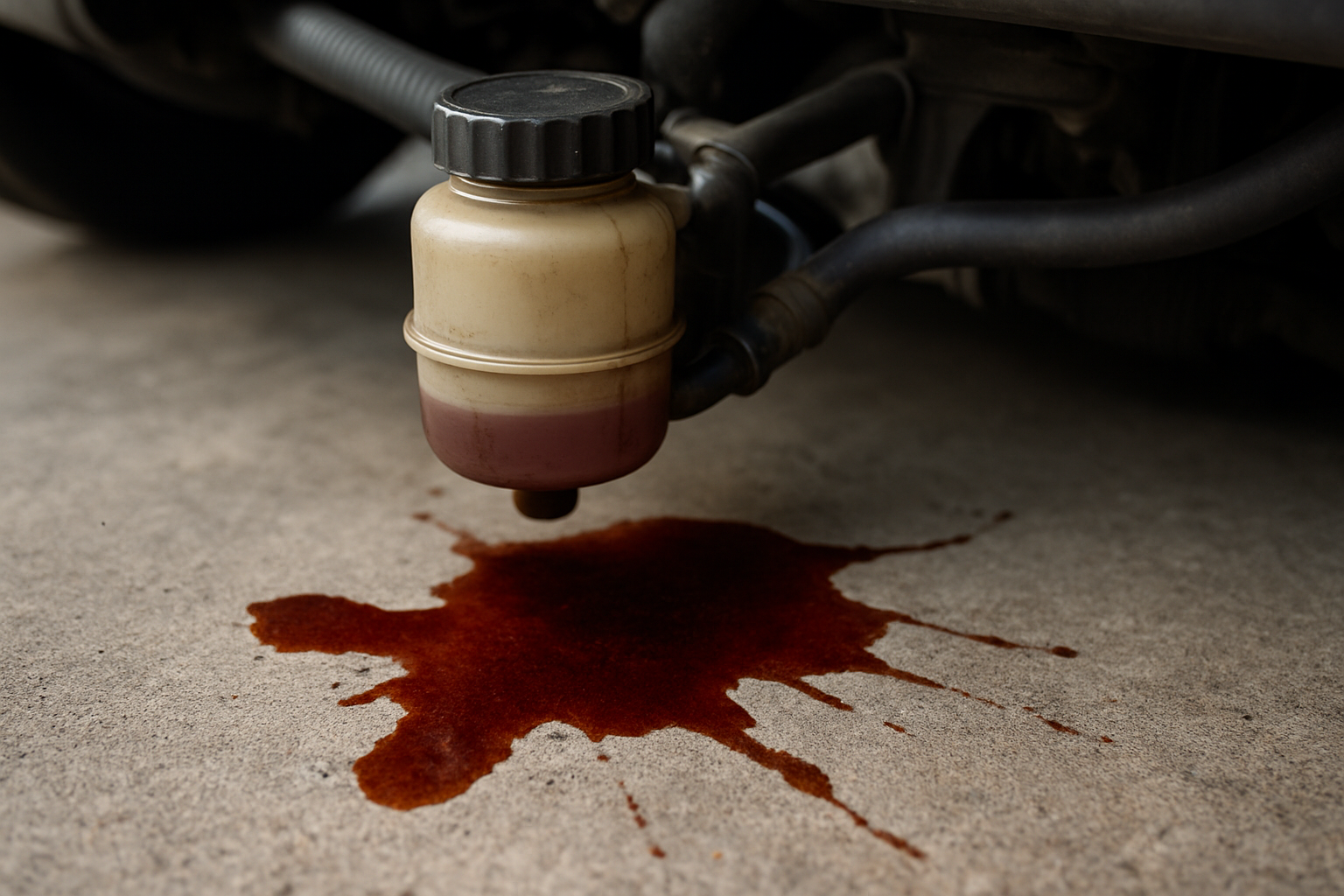
Low fluid from a leak may reduce hydraulic pressure, leading to slow engagement or slipping. Old or overheated fluid may also accompany poor shift quality. However, adding fluid without locating a leak or confirming the level may create another problem.
We inspect for leaks, review fluid condition, and follow the correct level-check procedure. Ford also warns against using supplemental transmission additives or cleaning agents because they may affect transmission operation.
What Our Diagnostic Process Includes
We begin by asking when the delay occurs and whether it is accompanied by warning lights, slipping, shuddering, or harsh engagement. Next, we scan the powertrain and transmission control systems for stored codes and review relevant live data.
A road test helps us reproduce the complaint in a safe environment. Depending on the findings, we may evaluate fluid condition, electrical connections, adaptive shift behavior, solenoid operation, valve-body function, and internal transmission performance.
Repair Options Depend on the Cause
A shifting delay does not automatically mean the F-150 needs a replacement transmission. Repairs may involve correcting a leak, servicing fluid, addressing software or adaptive controls, repairing the valve body, replacing related components, or completing internal transmission work. Severe wear may require a rebuild or replacement.
We explain the findings before repair begins so you understand what failed and why the recommended work makes sense.
Schedule Ford F-150 Transmission Service
If your Ford F-150 hesitates before moving, shifts late, slips, or engages harshly in San Jose, contact Driven Auto Care of San Jose, CA. We will diagnose the transmission, explain the repair options, and help restore smooth, dependable operation.