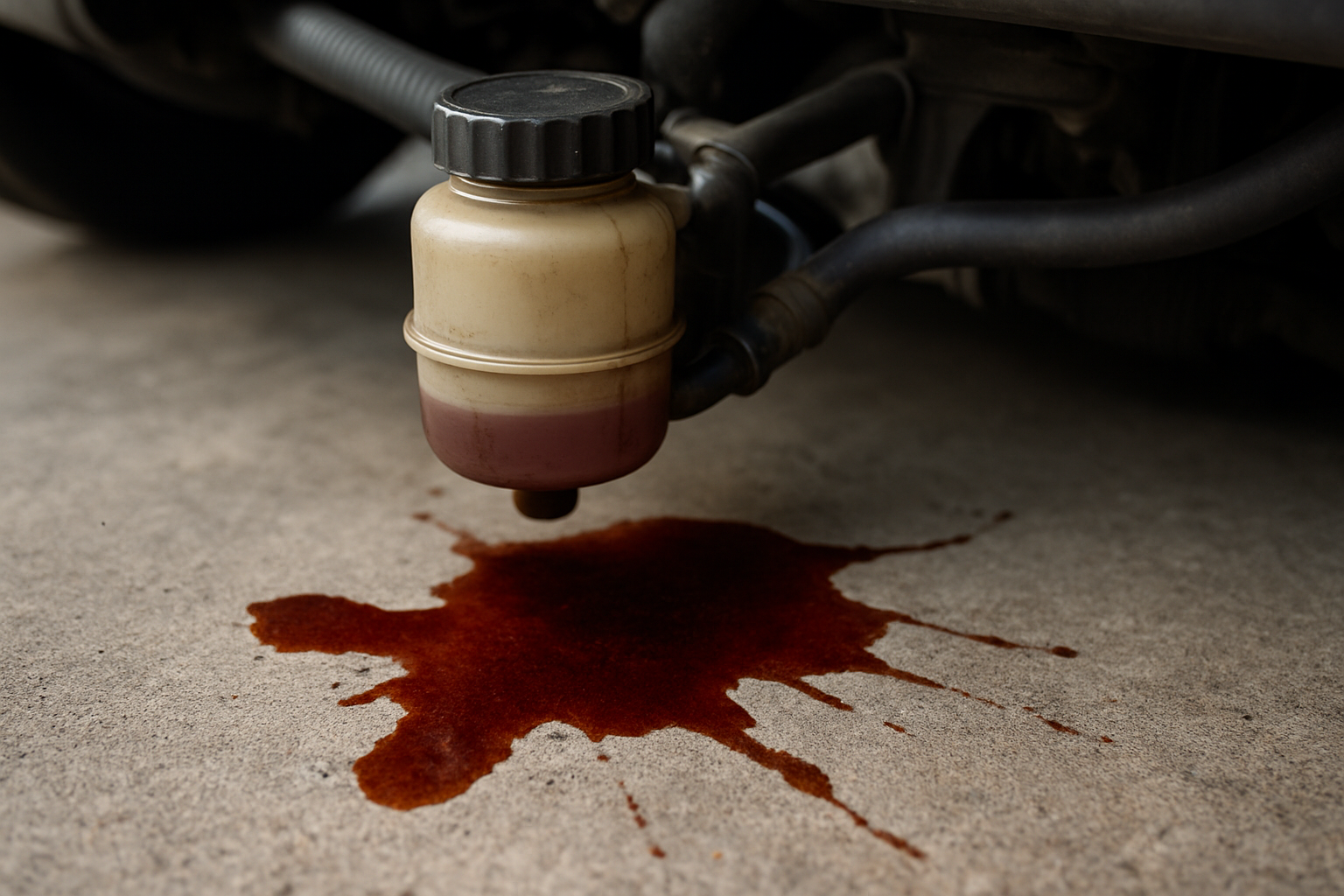
A Toyota Camry depends on steady coolant circulation to control engine temperature. When the water pump begins leaking, the coolant level may drop, causing the engine to run hotter than normal. Drivers may first notice a sweet smell, dried coolant residue, a puddle after parking, or a temperature warning. Once overheating begins, continued driving may turn a manageable cooling system repair into major engine damage.
At Driven Auto Care of San Jose, CA, we help local Camry owners find the source of coolant loss before replacing parts. Our San Jose Toyota service menu includes coolant leak repair, cooling system flushes, thermostat replacement, radiator replacement, hose replacement, and water pump replacement. We test the complete system because a leak near the pump may also come from a hose, housing, radiator, or nearby connection.
Watch for Coolant Loss Around the Water Pump
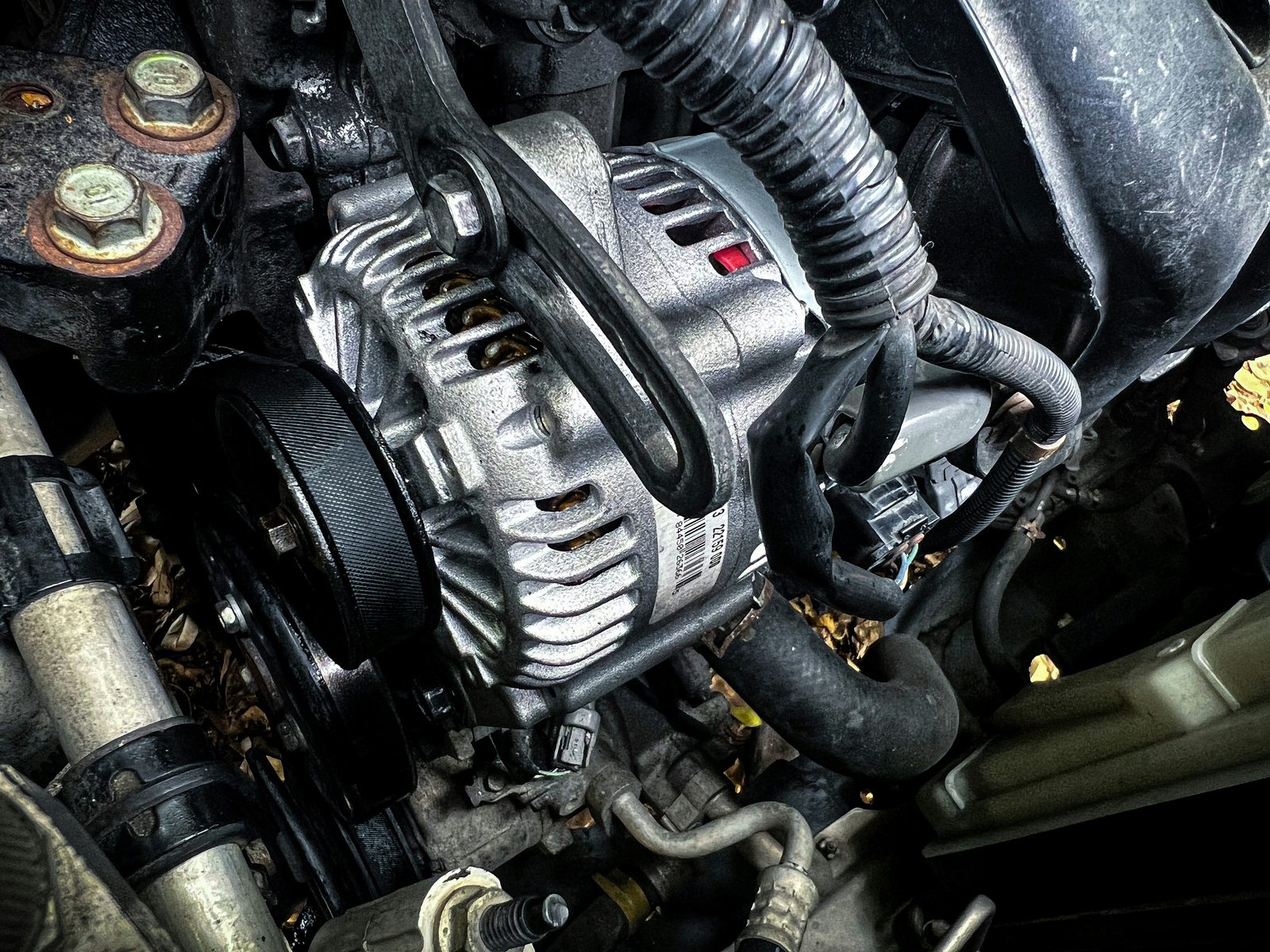
Water pumps may leak from a seal, housing, gasket, or electrical connector depending on the Camry’s model year and engine. Toyota published technical guidance for certain 2022–2024 Camry models equipped with A25A engines that may experience coolant leaks from the engine water pump, along with related diagnostic trouble codes.
A small leak may leave pink or whitish residue before a large puddle appears. Repeatedly topping off coolant without locating the source only delays repair. Low coolant reduces the system’s ability to absorb and transfer heat, increasing the risk of overheating.
Rising Temperature Means Stop Driving
A temperature gauge moving toward the hot end, an overheating warning, steam, or a sudden loss of cabin heat calls for immediate attention. Pull over safely and shut off the engine. Do not remove a radiator or reservoir cap while the cooling system is hot and pressurized.
Toyota owner guidance instructs drivers not to continue operating an overheated Camry. Severe overheating may damage the head gasket, cylinder head, seals, or other engine components.
Why Pressure Testing Matters
Coolant leaks are not always easy to see with a cold engine. During diagnosis, we inspect the reservoir, hoses, radiator, thermostat area, water pump, and visible connections. Pressure testing helps expose seepage while the vehicle is stationary.
Toyota’s water pump diagnostic guidance also directs technicians to check for other cooling system leaks before replacing the pump. Pump condition, coolant level, active leakage, and bearing operation all matter during diagnosis. This process helps prevent replacing a water pump when another component is responsible.
Water Pump Repair Depends on the Camry
Camry generations use different engines and water pump designs, so repair steps vary. Some pumps are mechanically driven, while newer applications may use electric coolant pumps. We identify the model year, engine, and pump design before choosing a repair procedure.
If testing confirms water pump failure, we remove the failed component, inspect nearby parts, install the correct replacement, refill the cooling system with the proper coolant, and remove trapped air. We then verify coolant circulation, operating temperature, and leak-free performance.
Do Not Ignore Related Cooling Problems
A new water pump will not correct a stuck thermostat, a cracked radiator, a damaged hose, a failed cooling fan, or an internal engine problem. If overheating has already occurred, additional testing may be necessary to confirm the engine did not suffer heat-related damage.
Our goal is to repair the cause, restore stable temperature control, and help prevent a repeat overheating event.
Schedule Toyota Camry Cooling System Service
If your Toyota Camry is losing coolant, leaking near the water pump, or running hot in San Jose, contact Driven Auto Care of San Jose, CA. We will inspect the cooling system, explain our findings, and recommend the repair needed for dependable operation.