A Ford F-150 may work hard for years, but its starter motor still wears each time the engine cranks. When the truck suddenly clicks, cranks slowly, or stays silent after the key turns, the starter may be involved. However, battery, cable, relay, key, or transmission-position problems may produce similar symptoms.
At Driven Auto Care of San Jose, CA, we test the complete starting circuit before recommending starter replacement. Our San Jose shop lists starter replacement, battery service, alternator replacement, and charging-system diagnosis among its electrical services. This broader approach matters because replacing a starter will not solve weak battery voltage or excessive resistance in a cable.
A Click Without Engine Cranking
A single click followed by silence often directs attention toward the starter solenoid, starter motor, battery cables, or available battery power. Rapid clicking usually points more strongly toward low voltage or poor electrical connections. Either sound deserves testing before parts are ordered.
Ford’s F-150 guidance also notes several reasons an engine may not crank. Depending on model year and equipment, the causes may include insufficient battery charge, failure to press the brake pedal, a transmission outside park or neutral, an undetected passive key, or temporary start-system lockout after repeated attempts.
Slow or Intermittent Cranking
A worn starter may crank the engine more slowly when hot, work only after several attempts, or fail without warning. Drivers sometimes notice normal cold starts followed by trouble after errands or a short stop. Heat may expose worn internal starter contacts, a weak solenoid, or damaged electrical connections.
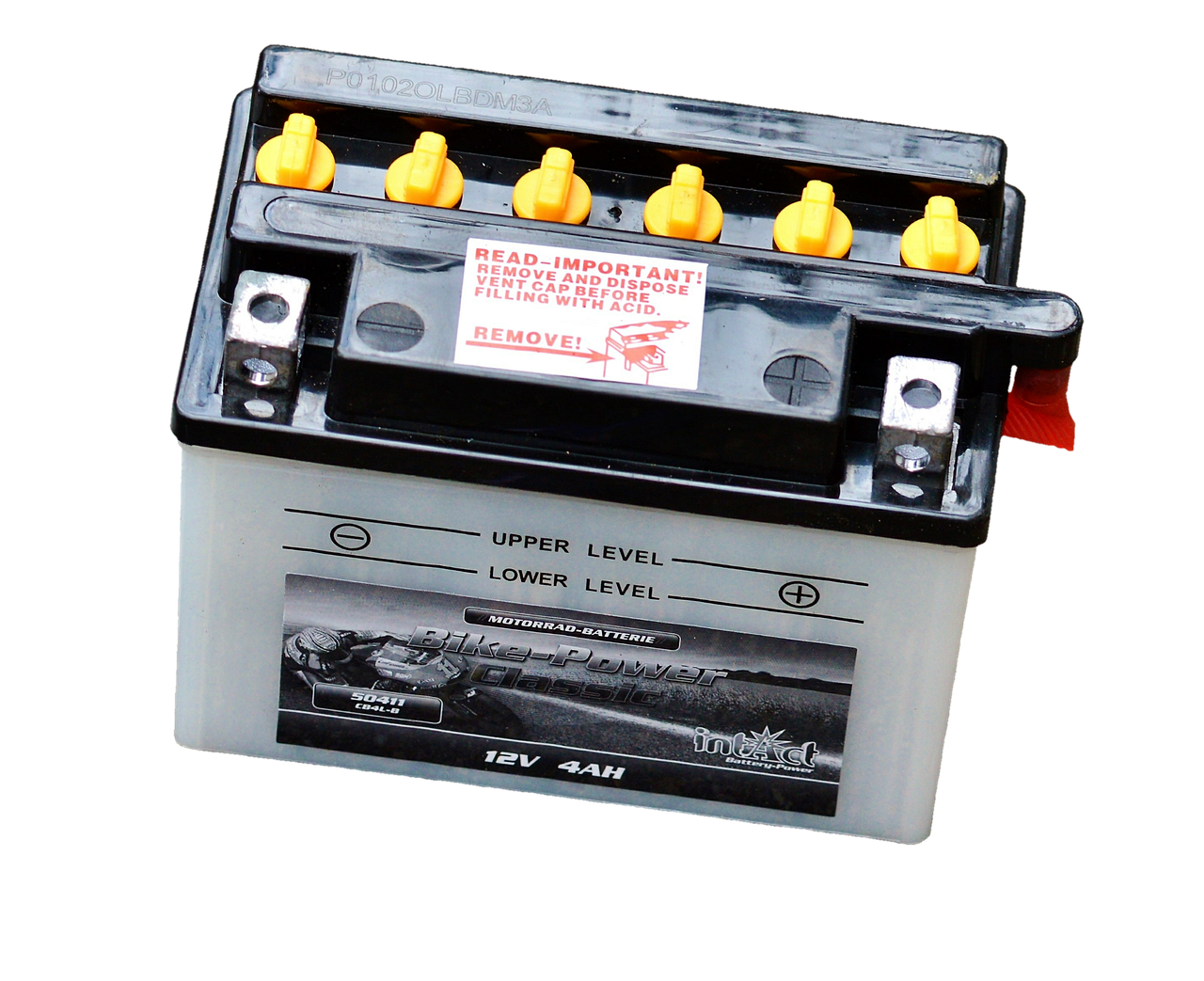
Slow cranking does not prove starter failure by itself. A discharged battery, corroded terminals, loose grounds, or charging-system trouble may create the same complaint. We compare battery condition, voltage drop, and starter current draw before deciding which component failed.
Grinding, Whirring, or Harsh Engagement
Grinding during startup may mean the starter gear is not engaging the engine’s flywheel or flexplate correctly. A whirring sound without engine movement may point toward a starter drive problem. Continued attempts may damage gear teeth and turn a starting repair into a larger mechanical job.
Stop repeated cranking when the sound becomes harsh. Ford manuals note how starting systems may limit repeated attempts, and some models temporarily disable cranking after too many tries. Repeated attempts also drain the battery, which makes later diagnosis less clear.
What Our Repair Shop Checks
We begin with the battery, terminals, ground paths, cables, fuses, starter relay, and transmission range input. Ford F-150 fuse charts identify dedicated starter-relay circuits, so a failed relay or circuit fault must be ruled out before replacing the motor.
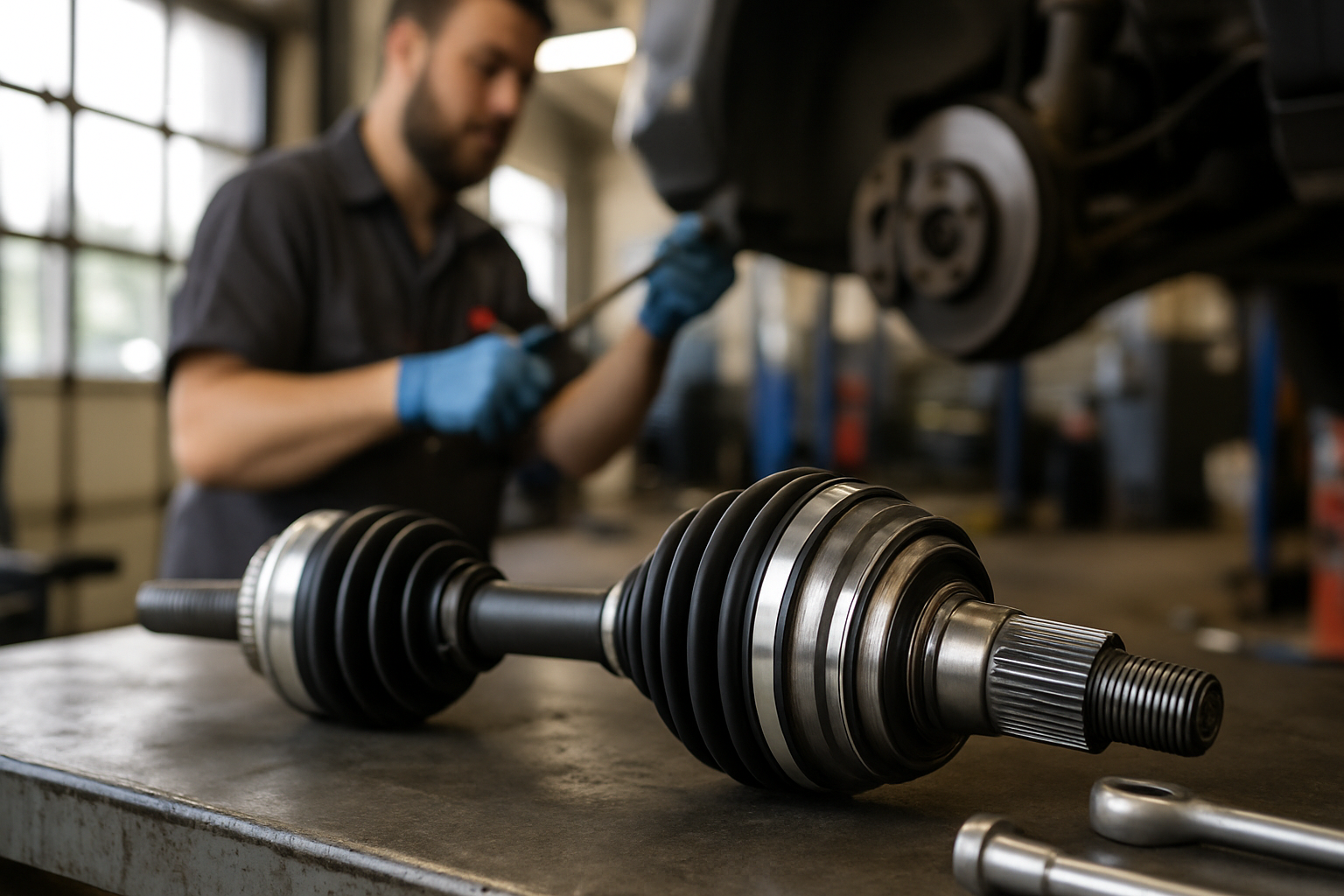
Next, we measure voltage during cranking and inspect starter current draw. If power and ground reach the starter correctly but the motor does not operate, replacement may be appropriate. We also inspect nearby wiring and mounting points before completing the repair.
After installation, we verify starting speed, charging performance, and hot restart operation. This final check confirms the truck starts reliably instead of merely passing one cold test.
Schedule Ford F-150 Starter Service
If your F-150 clicks, cranks slowly, starts intermittently, or will not crank, avoid guessing. Contact Driven Auto Care of San Jose, CA, for starting-system diagnosis and clear repair recommendations designed to get your truck back to dependable service.