A Toyota Camry often gives drivers several clues before the alternator stops charging properly. The problem may begin with a dashboard warning light, dim lighting, or slower starting. As charging performance weakens, the battery carries more of the electrical load. Eventually, the Camry may stall or refuse to restart.
At Driven Auto Care of San Jose, CA, we inspect the full charging system before recommending alternator replacement. A weak battery, loose connection, damaged belt, corroded terminal, or wiring fault may create similar symptoms. Accurate testing helps us repair the actual cause instead of replacing parts based on suspicion. Our shop provides charging system diagnosis, alternator replacement, battery replacement, and starter service.
Charging System Warning Light
The battery-shaped warning light is one of the clearest signs of a charging system problem. Toyota identifies this light as a warning of a malfunction in the vehicle’s charging system. It may involve the alternator, but the battery, wiring, belt drive, and related controls also need inspection.
If the light remains on while the engine runs, avoid assuming the battery alone needs replacement. The vehicle may have limited driving time before stored battery power drops too low.
Dim or Flickering Lights
Headlights, interior lights, and dashboard illumination may dim, pulse, or flicker when alternator output becomes unstable. The effect may appear more clearly at idle or while several electrical features operate together.
Power windows may move slowly, the audio system may cut out, or climate controls may behave unpredictably. These changes suggest the charging system is struggling to maintain proper voltage.
Slow Starting or Repeat Battery Trouble
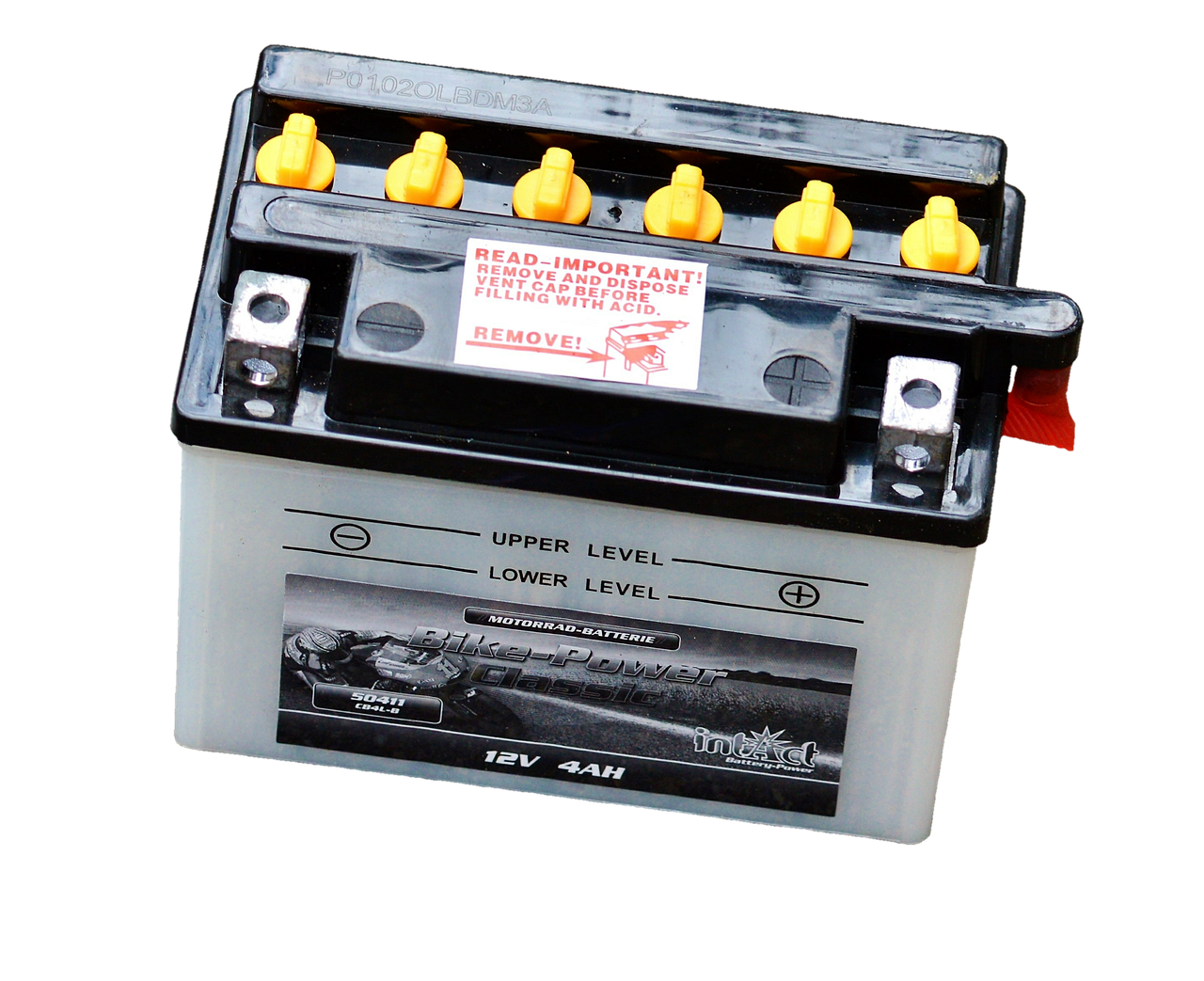
A Camry with charging trouble may crank slowly or need a jump-start. Toyota owner information lists slow starter operation, dim headlights, and weak horn output among signs associated with a discharged battery or poor terminal connections.
If a recently charged or replaced battery keeps losing power, the alternator and charging circuit deserve testing. Replacing the battery alone may only provide temporary relief. Toyota also notes alternator trouble among possible reasons for battery-related warning symptoms.
Strange Noises or Burning Odors
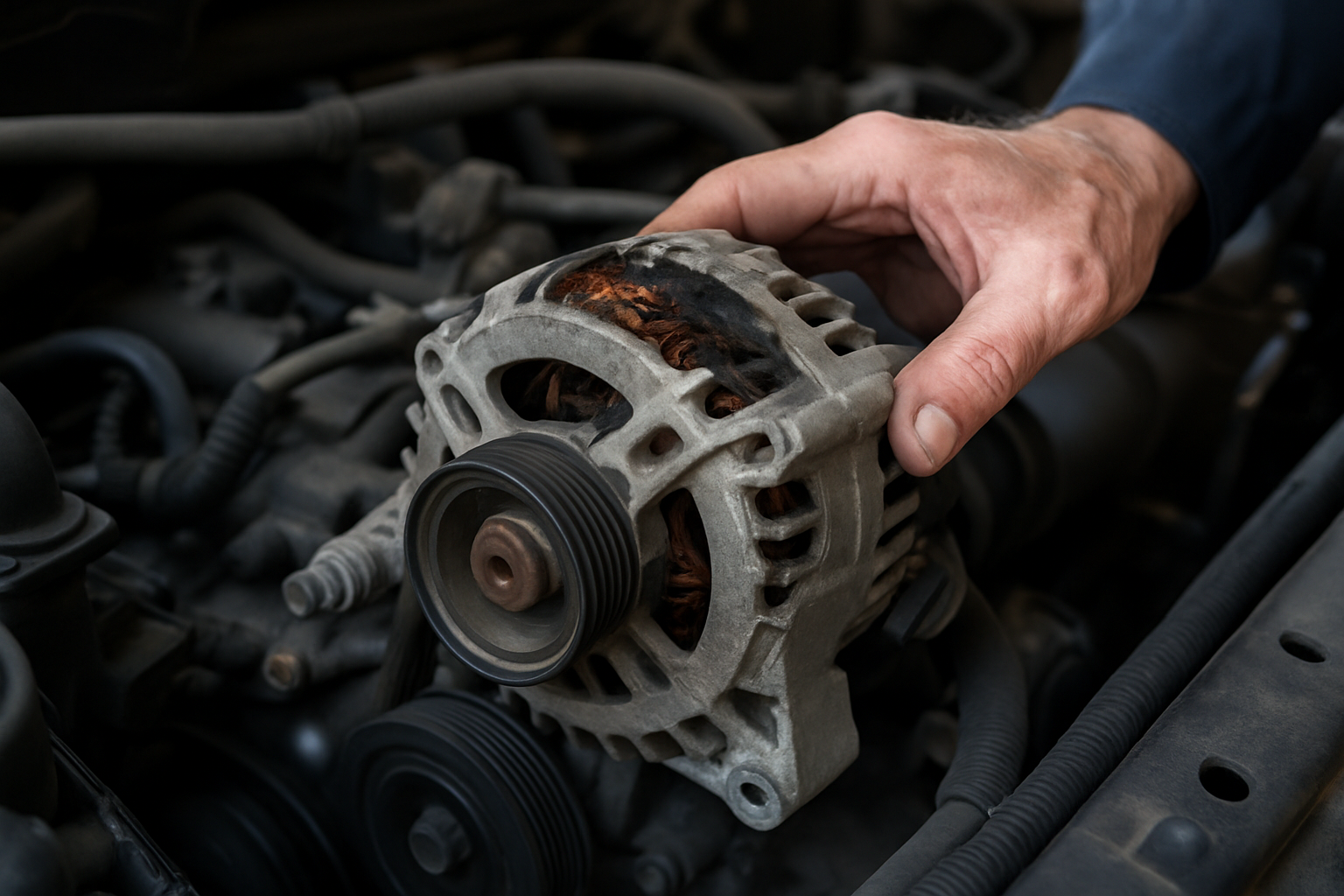
A worn alternator bearing or pulley may produce whining, grinding, or growling noises from the front of the engine. A slipping or damaged drive belt may create squealing, especially during startup or changes in electrical demand. Belt wear and poor tension may also reduce alternator charging performance.
Burning rubber or hot electrical odors also need prompt attention. Shut the vehicle off and arrange service if smoke, a strong odor, or sudden electrical loss occurs.
Stalling and Electrical Shutdown
As available voltage falls, warning lights may multiply, gauges may act erratically, and the engine may begin running poorly. If the Camry stalls, do not count on it restarting. Move to a safe location when possible and arrange professional assistance.
How We Test the Charging System
We check battery condition, alternator output, cable voltage drop, belt condition, terminals, and stored fault information. This process helps separate alternator failure from battery, starter, belt, or wiring problems.
Camry Hybrid models require a different approach because their low-voltage systems use an inverter and DC-DC converter rather than a conventional alternator. We identify the vehicle’s powertrain first, then follow the correct diagnostic process.
Schedule Toyota Camry Electrical Service
If your Camry shows a charging warning light, dim lights, repeated battery failure, or slow starting, schedule an inspection before the vehicle leaves you stranded. We will explain the findings clearly and recommend the repair needed to restore dependable electrical performance.