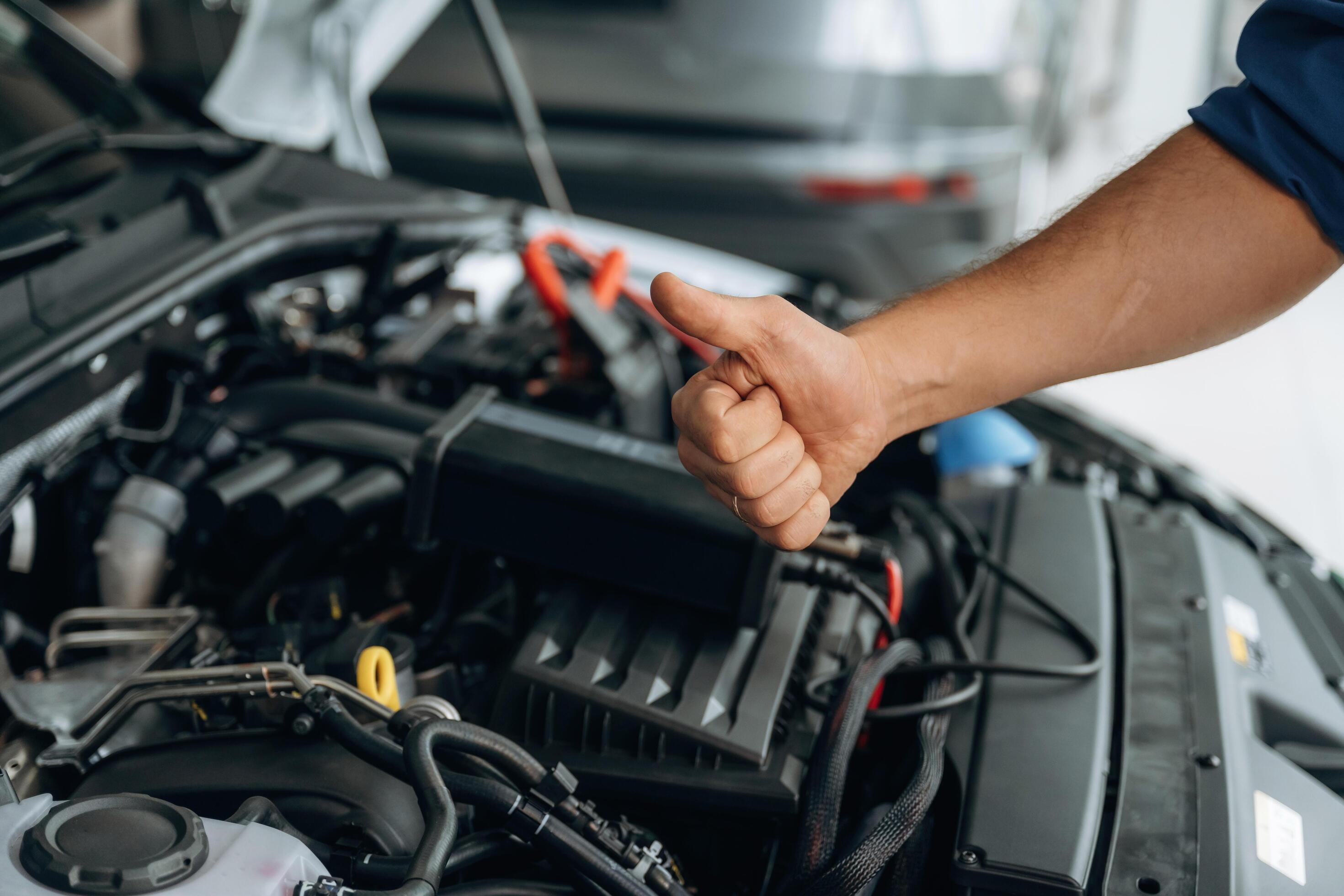
An Acura TL with a hot-start issue can be frustrating because the problem often occurs only after the vehicle has already been driven. The engine may start fine in the morning, run normally, then crank too long after a quick stop at the store, office, or gas station. Some drivers notice a rough idle after a restart, while others experience intermittent no-starts until the engine cools.
At Driven Auto Care of San Jose, CA, we help Sunnyvale drivers identify these heat-related starting problems through proper testing. Hot start trouble often involves fuel delivery, ignition signal loss, electrical resistance, or starter strain. Since several systems may create the same symptom, diagnosis matters more than guessing.
Why Hot Start Trouble Happens
After the engine shuts off, heat continues to rise under the hood. This heat soak affects wiring, sensors, relays, fuel system parts, and starter components. A part that works when cold may begin to fail once temperatures climb.
On an Acura TL, one common area to inspect is fuel pressure. If fuel pressure drops after shutdown, the engine may crank longer before starting. A weak fuel pump, leaking injector, faulty pressure regulator, or fuel pump relay issue may all cause delayed restarts.
Electrical components also deserve close attention. Older Honda and Acura platforms have a history of heat-sensitive relay and sensor concerns. A failing main relay, crankshaft position sensor, camshaft position sensor, ignition switch, or wiring connection may work most of the time, then act up after warm driving.
Warning Signs Acura TL Drivers May Notice
Common symptoms include extended cranking after a short stop, no-start conditions after warm driving, rough startup, intermittent stalling, or hesitation when pulling away. A check engine light may appear, but not always. Some failures happen too quickly or inconsistently for the computer to store a clear code.
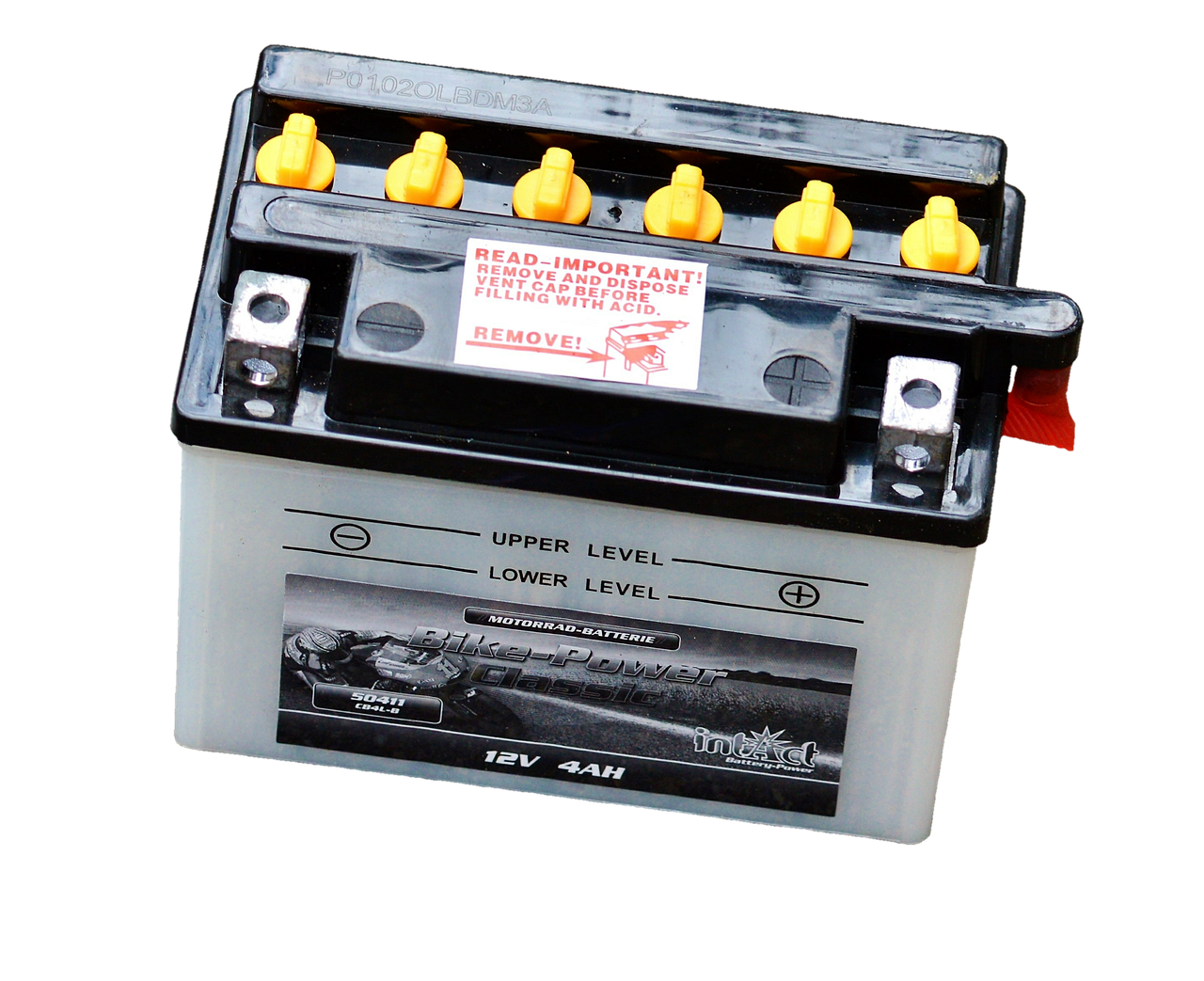
Other clues include a fuel smell, weak battery sound, slow cranking, or clicking from under the dash or hood. If the starter turns slowly when hot, the issue may lie with the battery, cables, starter motor, or engine ground rather than fuel delivery.
How We Diagnose Hot Start Problems
We begin by listening to the driver’s description of when the problem happens. Timing helps. A vehicle failing after 10 minutes of heat soak points us in a different direction than one failing after several hours.
Next, we check battery condition, starter draw, charging output, fuel pressure, stored codes, live sensor data, and relay operation. When needed, we duplicate the hot soak condition by driving the vehicle, allowing it to sit, then testing the restart. This extra step helps confirm the fault rather than replacing parts on suspicion.
Repair Options for Acura TL Starting Issues
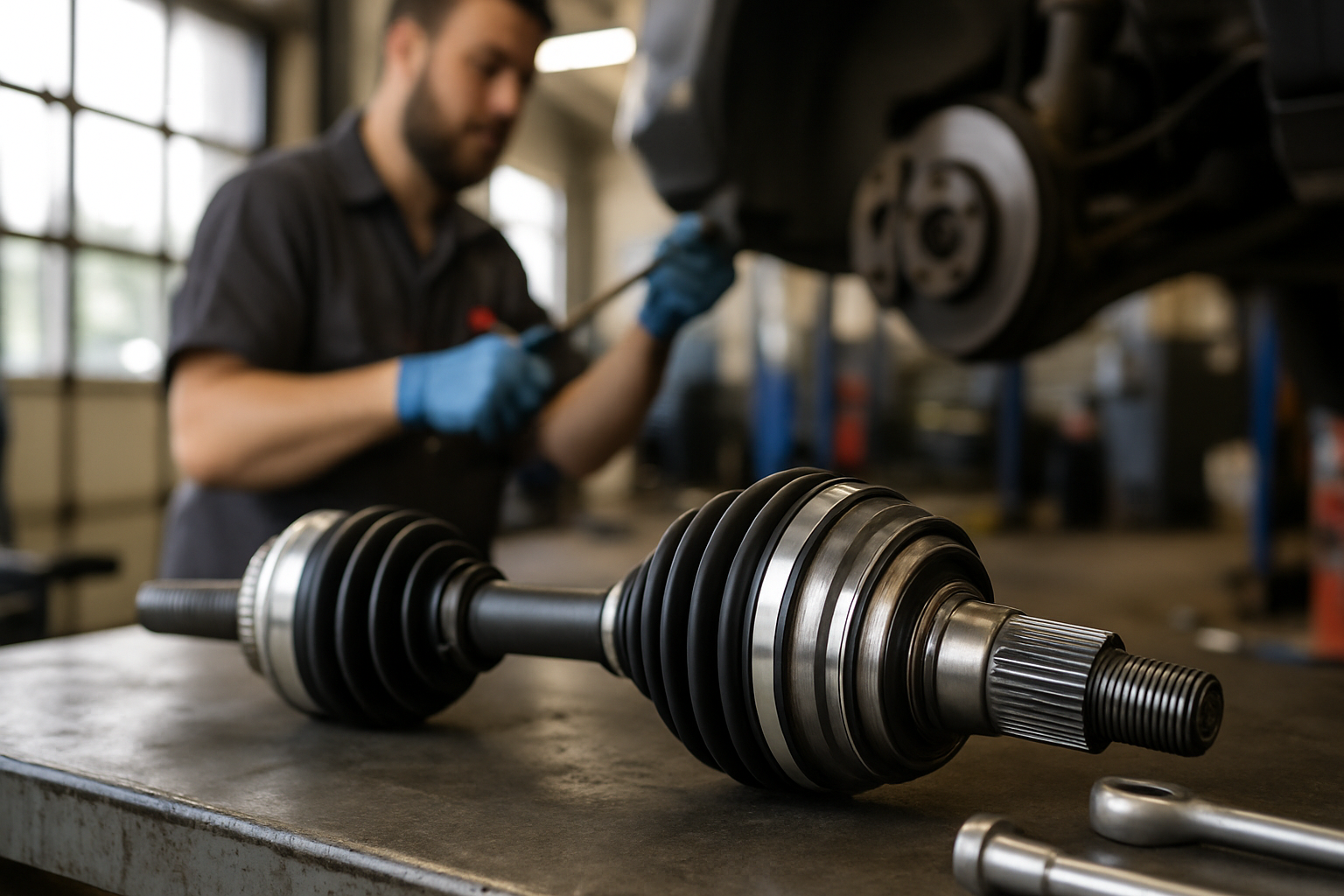
Repair depends on what testing confirms. A failing relay may require replacement. Fuel pressure loss may call for pump, injector, regulator, or line repair. Sensor failure may require sensor replacement and code clearing. Starter or cable issues may require electrical repair before further damage occurs.
After repair, we verify cold- and hot-start performance so the Acura leaves with confidence restored.
Schedule Acura TL Hot Start Service
If your Acura TL struggles to restart after warm stops near Sunnyvale, do not wait for the issue to leave you stranded. Contact Driven Auto Care of San Jose, CA, to schedule an inspection and get clear answers about your starting system.