An overheating Ford Explorer needs immediate attention, especially when coolant levels keep dropping. In many cases, a leaking water pump may be involved. The water pump moves coolant through the engine and radiator, helping control operating temperature. When coolant leaks or stops circulating properly, the engine heats up quickly.
At Driven Auto Care of San Jose, CA, we help Sunnyvale drivers find the source of overheating, not just guess. A Ford Explorer water pump concern warrants careful diagnosis, as some models use a water pump design that is hidden deeper in the engine. This makes early symptoms easy to miss and late-stage damage extensive.
Why a Ford Explorer Water Pump Leaks
Water pumps operate under heat, pressure, and constant movement. Over time, seals wear out, bearings loosen, and internal parts fail. Once the pump begins leaking, coolant may escape outside the engine or move where it does not belong.
Some Ford Explorer engines have an internal water pump driven by the timing chain. With this design, a leak may not always leave a puddle under the vehicle. Coolant may enter the engine oil, reducing lubrication and putting bearings, timing components, and internal engine parts at risk.
Overheating Symptoms to Watch For
Common symptoms include a rising temperature gauge, a low coolant warning, steam under the hood, or a coolant smell after driving. You may also notice poor heater performance, rough idle, misfires, or a check engine light.
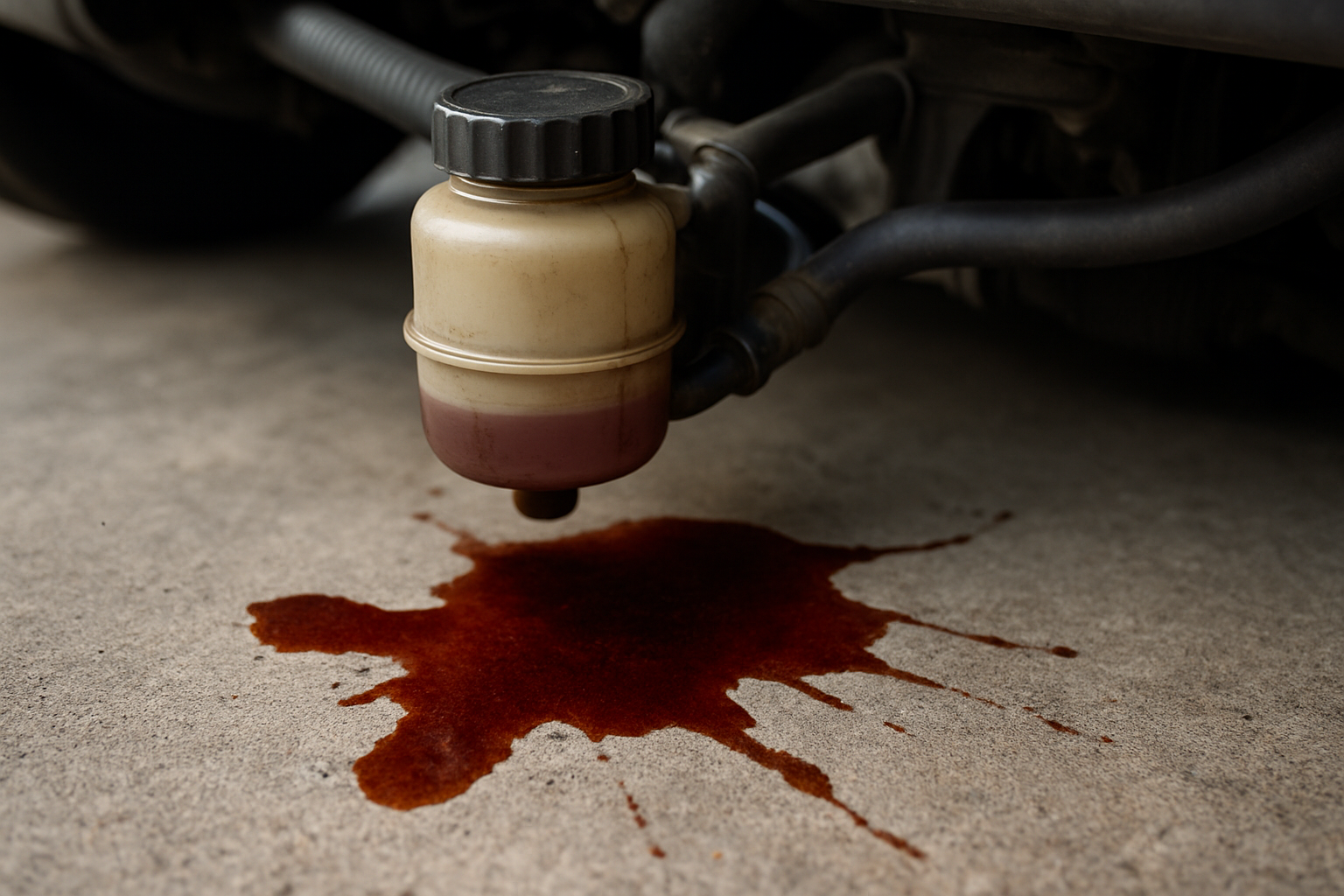
A visible coolant puddle helps confirm an external leak, but the absence of a puddle does not mean the system is fine. If coolant keeps disappearing, the vehicle needs an inspection. Milky oil, foam under the oil cap, or changes in oil level may indicate coolant contamination. When this happens, driving should stop until the problem is checked.
Why Overheating Gets Serious Fast
Engines depend on stable temperatures. When coolant circulation fails, heat may damage head gaskets, cylinder heads, hoses, seals, and engine oil. Repeated overheating also stresses the radiator, thermostat, and cooling fans.
The sooner we find the failure point, the better our chance of preventing major engine damage. A small leak caught early usually offers more repair options than an Explorer driven hot for several days.
How We Diagnose the Problem
We start by checking coolant level, visible leaks, oil condition, and cooling system pressure. From there, we inspect the water pump area, thermostat, hoses, radiator, cooling fans, and related sensors.
If symptoms suggest internal leakage, we look for coolant contamination in the oil and signs of pressure loss. We also review when overheating happens. Overheating at idle may point toward airflow or fan issues. Overheating while driving may indicate a circulation issue, coolant loss, or a restriction.
Water Pump Repair Options
If testing confirms water pump failure, replacement is the proper repair. On Explorers with internal pump designs, this repair may involve removing front engine components and inspecting timing-related parts. We also check for coolant contamination and recommend any necessary services to protect the engine.
After repair, we refill the cooling system, bleed air, verify pressure, and confirm stable engine temperature.
Schedule Ford Explorer Cooling System Service
If your Ford Explorer is overheating, losing coolant, or showing warning lights, contact Driven Auto Care of San Jose, CA. We will inspect the cooling system, clearly explain the findings, and recommend the appropriate repair path.