A 2019 TLX rolls in with a shudder on acceleration, the transmission slipping between gears, and the owner braced for a rebuild. We hear it on the V6 and on the 2.4L four-cylinder, and the fix forks hard depending on which one sits under the car. One TLX wants a software update and a controlled fluid exchange. The other wants a guided adaptation relearn after a battery service wiped its calibration maps. Neither one wants a rebuilt transmission or a fresh clutch pack. Driven Auto Care of San Jose works that fork before we touch a single bolt, here in San Jose, CA and for the TLX owners we see across San Jose, CA who feel these same symptoms.
Calibration First, Hardware Second
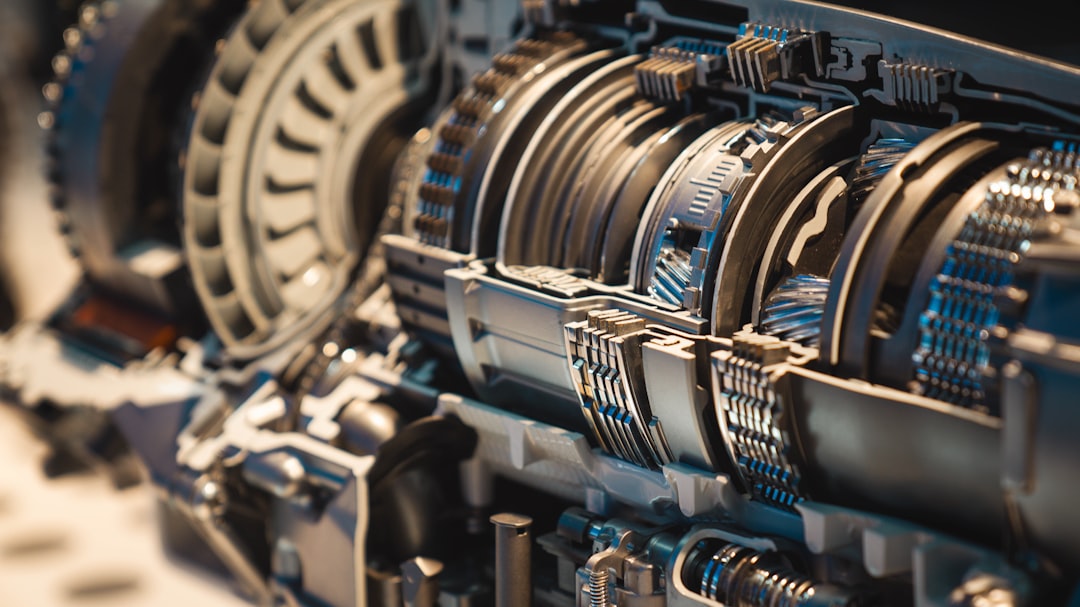
The 2019 TLX ships in two drivetrains that share almost nothing mechanically below the shifter. The 2.4L four-cylinder runs Honda's eight-speed dual-clutch, and the 3.5L V6 runs the ZF nine-speed, the first ZF unit Honda ever fitted. When slipping or shudder shows up on either car, the first question is software level, and clutch wear waits its turn. A dual-clutch that shudders and a ZF that shifts harshly are both doing exactly what their control modules tell them to do. Chase the hardware before reading that module and you spend the afternoon in the wrong transmission.
The Dual-Clutch Shudder at 30 to 45 MPH
The eight-speed dual-clutch adds a torque converter to smooth low-speed engagement, a layout most dual-clutch designs skip entirely. That converter carries a lock-up clutch that slips as it wears. Owners feel the slip as a rhythmic shudder from 30 to 45 mph that mimics a tire out of balance. Acura answered it with bulletins 15-021 and 17-015, pairing a control-module software update with a full fluid exchange and a break-in run at a controlled fluid temperature. That temperature step carries weight: the clutch seats into its friction zone as it warms through that cycle, and rushing it brings the shudder right back. We confirm the software level against the latest bulletin before any fluid goes in.
The ZF Nine-Speed and the Adaptation Wipe
The ZF nine-speed builds adaptation maps over roughly 500 miles, tuning shift timing and pressure to that one car's behavior. A fluid service, a battery disconnect, or a software flash deletes those maps, and the box relearns from scratch. Owners drive that window thinking the service made everything worse. A guided relearn with a factory scan tool walks the module through a structured drive cycle so the maps rebuild correctly, and the ZF stays harsh without that procedure. The fluid spec here is Acura ATF Type 3.1, a different formulation than the dual-clutch ATF Type 2.0, and pouring in the wrong one can erase whatever the software update bought you.
Reading the Software Before the Clutch
Call Driven Auto Care of San Jose at (408) 295-3786 and we start by confirming which transmission your TLX carries, reading the control-module software level against the current bulletin, pulling adaptation and clutch-data snapshots, and checking the fluid condition. That sequence tells us whether you face a calibration gap, an adaptation wipe, or genuine wear, and it keeps a fixable software problem from becoming a hardware bill. Our line runs straight to a tech who can read you what the software shows and what comes next.