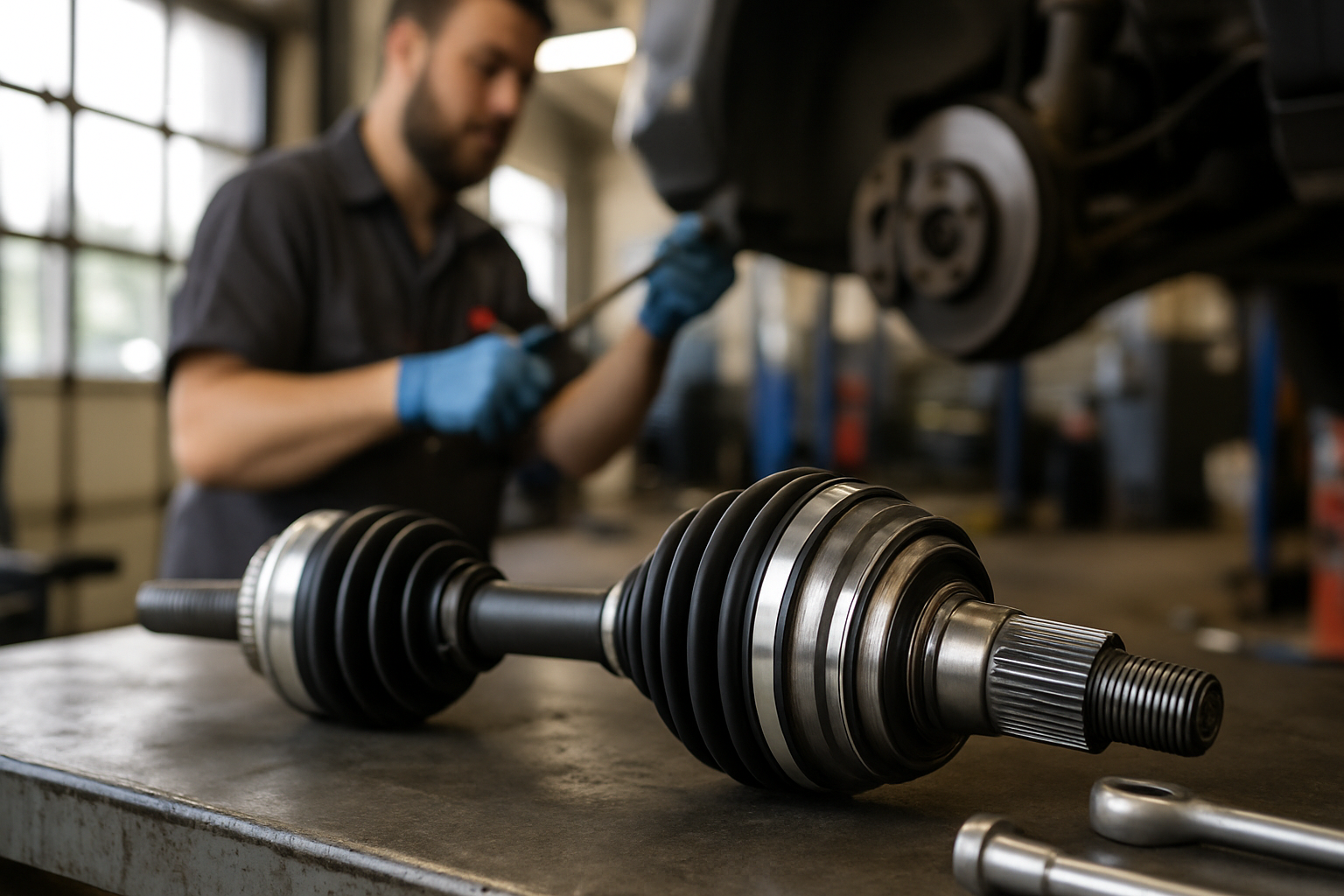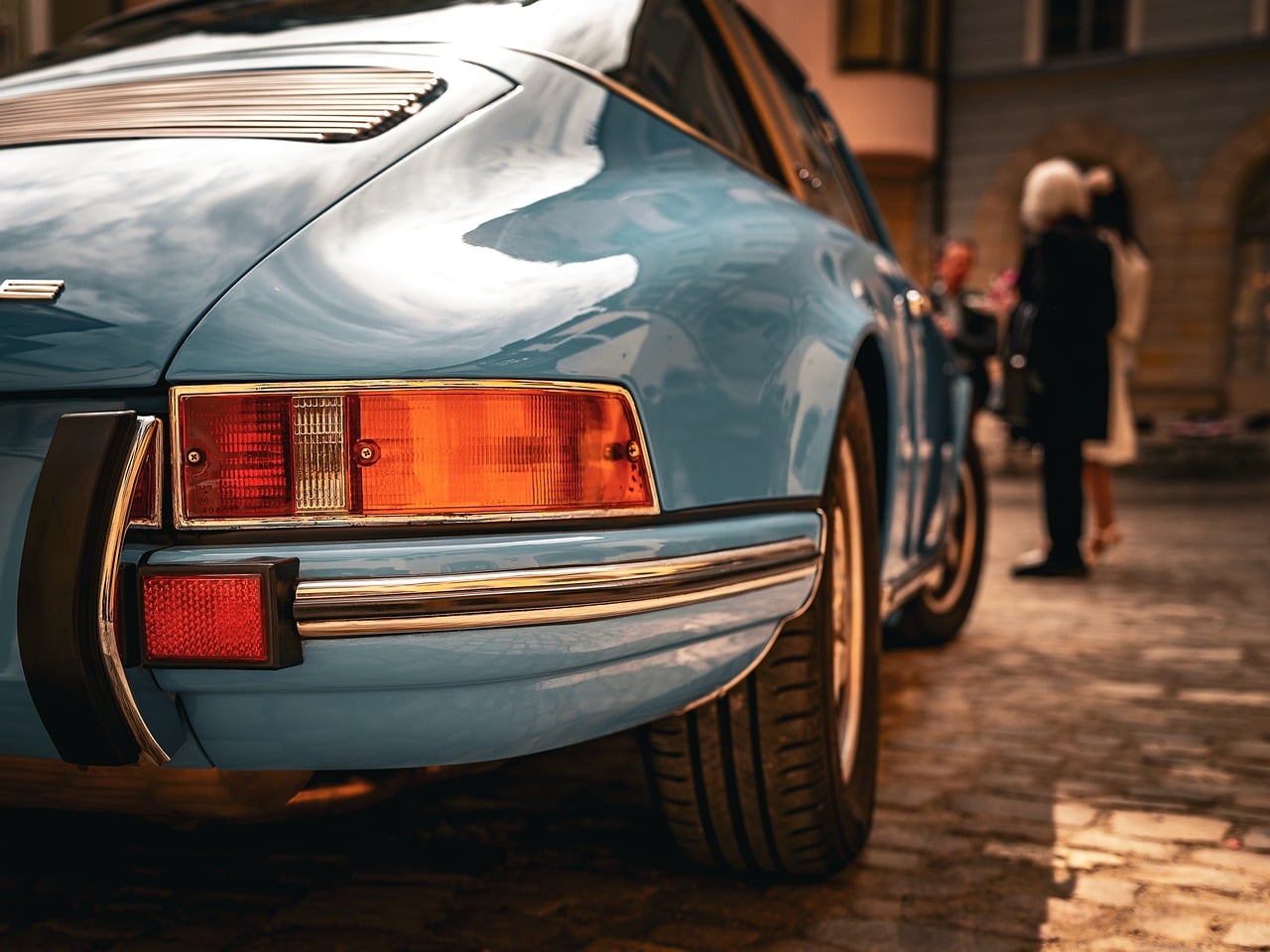
Two boxes sit on the bench before we ever touch the car. One is the Denso DDLT-002 ballast; the other, smaller and easy to overlook, is the separate igniter. On a 2002 Lexus ES300 these aren't one component, they don't share a housing, and they don't fail the same way. Owners drive their MCV30 to Driven Auto Care of San Jose here in San Jose, CA describing a headlight that flickers on a warm evening, cuts out halfway through a drive, or refuses to relight after a hot soak in a parking garage. From the driver's seat that one symptom sounds like a single problem. The circuit underneath the bumper tells a much longer story.
Confirm the Factory Xenon Option Before Anything Else
The ES300 offered xenon headlamps as a factory option, so our first move is confirming this car has the system at all. The low-beam bulb is a D2R, the reflector-type variant that throws its arc into an open reflector bowl rather than a projector lens. With a confirmed D2R system, you're looking at a ballast that holds the running arc near 85 volts and a separate igniter that fires roughly 25,000 volts to strike it cold. Those are two electrical jobs living on two parts, and each one carries its own failure window. A fifteen-second look under the hood keeps you from buying a xenon ballast for a halogen car.
How a Ballast Quits Versus How an Igniter Quits
The split in symptoms is what tells the two boxes apart on this car. A ballast on its way out flickers, dims over a few minutes, or drops the arc once the unit heats up, since the fault is thermal and shows itself mid-drive. An igniter fails the other direction, refusing to light at all or striking only on a cold start and going dark on a hot restart. Both units on a twenty-year-old MCV30 have two decades of heat cycles behind them, so age alone puts each one under suspicion before we measure a thing. One flickering headlight can ride on either box, and swapping the wrong one first only buys the owner a second visit.
The Connector and the Color Normal Should Look Like
Moisture works in through a cracked housing seal and settles at the multi-pin connector, leaving green or white residue baked across the pins. That corrosion adds resistance that can mimic ballast failure, igniter failure, and a dying bulb by turns, drifting with temperature and load until someone pulls the connector apart. It resists a clean side-to-side swap test until the pins themselves get inspected. Clean those pins down and the symptom can vanish on the spot. A D2R warming from pink to white in the first few seconds is doing exactly what it should, while a bulb that holds pink or stays dim is a bulb at end of life, and condemning the ballast there swaps out a healthy part.
What We Trace When You Call
We swap the suspect bulb side to side first, then the ballast and igniter together, and we read input voltage at the ballast connector before we call any single piece dead. That same step puts our eyes on the multi-pin connector for corrosion residue. When you call (408) 295-3786 we'll ask about the restart behavior, the warm-up color, and whether the fault follows the housing or stays on one side. That short conversation tells us which box on the bench to reach for first.