 Layer one is what you see on the driveway. The question most Nissan owners ask about a few drops of oil on the driveway is whether the leak is big enough to matter. The better question is what the drip is hiding from a dipstick check. Driven Auto Care of San Jose serves Sunnyvale Nissan owners from our San Jose shop, and the story of a slow oil leak on a Nissan goes deeper than what the driveway shows, in layers that each take a little more off the engine's lifespan than the layer before it. Here is what the lift reveals when we put a Sunnyvale Nissan up and follow the trail.
Layer Two: What The Dipstick Hides From The Owner Who's Also Burning Oil
The QR25DE 2.5L in the 2013 and 2014 Altima carries its own documented oil consumption issue, which Nissan addressed through a class action settlement. Here is what that context creates for an owner with a slow external leak: the dipstick reads low, the owner adds a quart, and the owner concludes the engine is burning oil at the rate everyone warned them about. A valve cover gasket weeping a half-quart every three weeks blends into that narrative invisibly, and the leak goes unaddressed while the owner accepts the consumption as the problem. The VQ35DE 3.5L in the 2003–2008 Maxima and 350Z runs a different pattern, where valve cover oil drips onto the exhaust manifold and bakes the wiring harness insulation above it. Either way, the dipstick tells half the story.
Layer Three: What The Bearings Feel At Cold Start
This is where the long-term engine health question answers itself. Every cold start depends on two things: the residual oil film left on the bearing surfaces from the last shutdown, and the pump building pressure in the first seconds after the key turns. A chronically low oil level thins the residual film and slows the pressure buildup, and the main and rod bearings take metal-on-metal contact during the critical first seconds before the oil pump can push fresh lubricant through the galleries. Thousands of cold starts multiply that stress, and the wear appears decades early on an engine that should have had another hundred thousand miles left in it. The owner never sees the damage happening on any of these cold starts. The dipstick stays in the normal range after every top-off. The leak keeps doing its quiet work underneath.
Layer Four: What You Can Do About It This Week
You have two paths forward from this moment. Path One is to bring your Nissan to Driven Auto Care of San Jose at (408) 295-3786 this week, and we will trace the leak source with UV dye and a black light, separate the consumption from the drip, and hand you a clear picture of what your engine needs. Path Two is to keep topping off and see us in six months, when the wear pattern has moved from preventable to permanent. Either path ends at the same phone number, and the first path keeps more of your original engine in service for the miles ahead.
Layer one is what you see on the driveway. The question most Nissan owners ask about a few drops of oil on the driveway is whether the leak is big enough to matter. The better question is what the drip is hiding from a dipstick check. Driven Auto Care of San Jose serves Sunnyvale Nissan owners from our San Jose shop, and the story of a slow oil leak on a Nissan goes deeper than what the driveway shows, in layers that each take a little more off the engine's lifespan than the layer before it. Here is what the lift reveals when we put a Sunnyvale Nissan up and follow the trail.
Layer Two: What The Dipstick Hides From The Owner Who's Also Burning Oil
The QR25DE 2.5L in the 2013 and 2014 Altima carries its own documented oil consumption issue, which Nissan addressed through a class action settlement. Here is what that context creates for an owner with a slow external leak: the dipstick reads low, the owner adds a quart, and the owner concludes the engine is burning oil at the rate everyone warned them about. A valve cover gasket weeping a half-quart every three weeks blends into that narrative invisibly, and the leak goes unaddressed while the owner accepts the consumption as the problem. The VQ35DE 3.5L in the 2003–2008 Maxima and 350Z runs a different pattern, where valve cover oil drips onto the exhaust manifold and bakes the wiring harness insulation above it. Either way, the dipstick tells half the story.
Layer Three: What The Bearings Feel At Cold Start
This is where the long-term engine health question answers itself. Every cold start depends on two things: the residual oil film left on the bearing surfaces from the last shutdown, and the pump building pressure in the first seconds after the key turns. A chronically low oil level thins the residual film and slows the pressure buildup, and the main and rod bearings take metal-on-metal contact during the critical first seconds before the oil pump can push fresh lubricant through the galleries. Thousands of cold starts multiply that stress, and the wear appears decades early on an engine that should have had another hundred thousand miles left in it. The owner never sees the damage happening on any of these cold starts. The dipstick stays in the normal range after every top-off. The leak keeps doing its quiet work underneath.
Layer Four: What You Can Do About It This Week
You have two paths forward from this moment. Path One is to bring your Nissan to Driven Auto Care of San Jose at (408) 295-3786 this week, and we will trace the leak source with UV dye and a black light, separate the consumption from the drip, and hand you a clear picture of what your engine needs. Path Two is to keep topping off and see us in six months, when the wear pattern has moved from preventable to permanent. Either path ends at the same phone number, and the first path keeps more of your original engine in service for the miles ahead.
Sunnyvale, CA - How Can An Oil Leak Affect Nissan Engine Health Over Time?
SYNOPSIS: Driven Auto Care of San Jose walks Sunnyvale Nissan owners through the layered damage a slow oil leak causes over time, from the visible drops on the driveway down to the bearing stress at cold start.
A Slow Drip Costs Nissan Engines In Layers
BY: Arun Coumar, Driven Auto Care of San Jose, CA
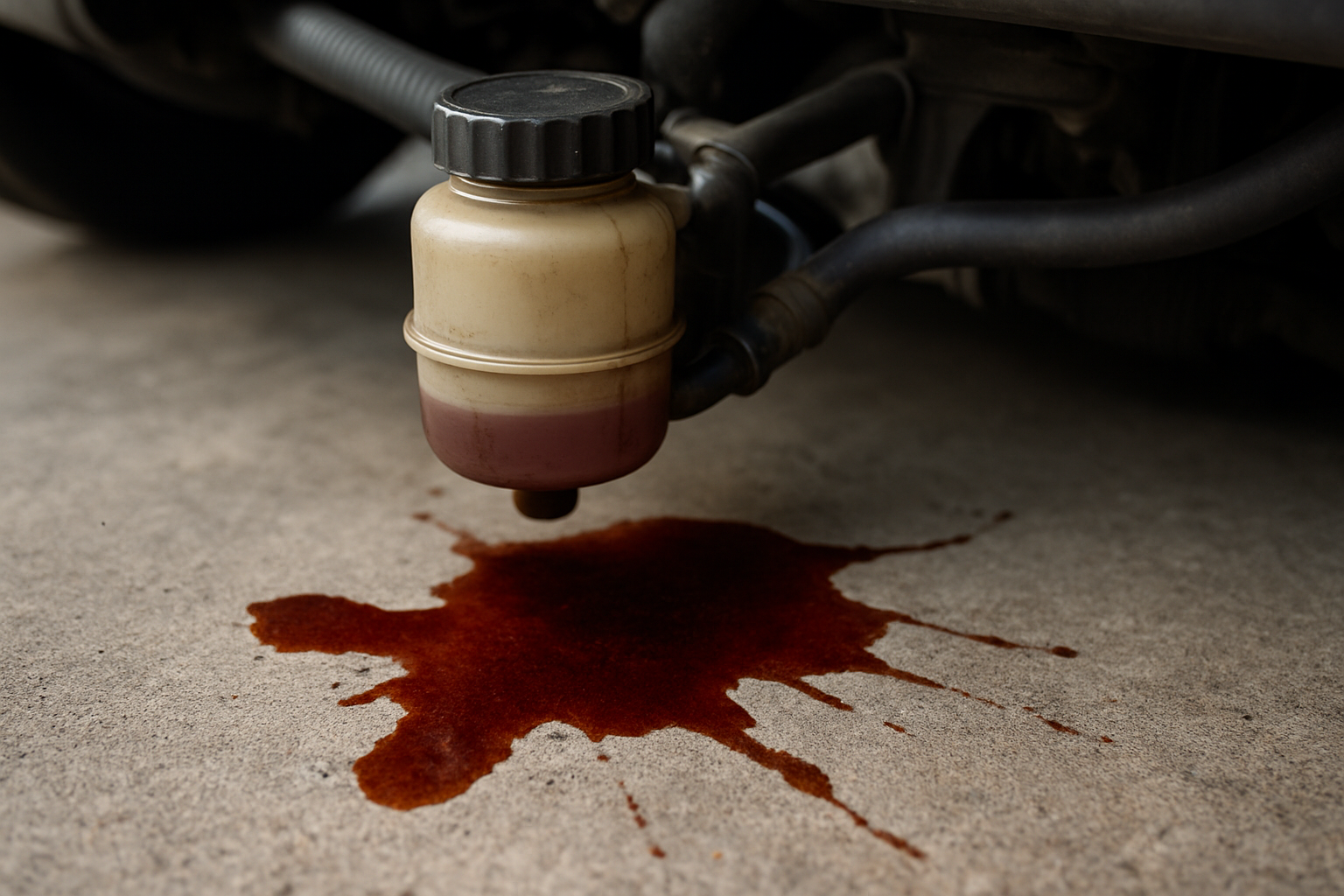
Layer one is what you see on the driveway. The question most Nissan owners ask about a few drops of oil on the driveway is whether the leak is big enough to matter. The better question is what the drip is hiding from a dipstick check. Driven Auto Care of San Jose serves Sunnyvale Nissan owners from our San Jose shop, and the story of a slow oil leak on a Nissan goes deeper than what the driveway shows, in layers that each take a little more off the engine's lifespan than the layer before it. Here is what the lift reveals when we put a Sunnyvale Nissan up and follow the trail.
Layer Two: What The Dipstick Hides From The Owner Who's Also Burning Oil
The QR25DE 2.5L in the 2013 and 2014 Altima carries its own documented oil consumption issue, which Nissan addressed through a class action settlement. Here is what that context creates for an owner with a slow external leak: the dipstick reads low, the owner adds a quart, and the owner concludes the engine is burning oil at the rate everyone warned them about. A valve cover gasket weeping a half-quart every three weeks blends into that narrative invisibly, and the leak goes unaddressed while the owner accepts the consumption as the problem. The VQ35DE 3.5L in the 2003–2008 Maxima and 350Z runs a different pattern, where valve cover oil drips onto the exhaust manifold and bakes the wiring harness insulation above it. Either way, the dipstick tells half the story.
Layer Three: What The Bearings Feel At Cold Start
This is where the long-term engine health question answers itself. Every cold start depends on two things: the residual oil film left on the bearing surfaces from the last shutdown, and the pump building pressure in the first seconds after the key turns. A chronically low oil level thins the residual film and slows the pressure buildup, and the main and rod bearings take metal-on-metal contact during the critical first seconds before the oil pump can push fresh lubricant through the galleries. Thousands of cold starts multiply that stress, and the wear appears decades early on an engine that should have had another hundred thousand miles left in it. The owner never sees the damage happening on any of these cold starts. The dipstick stays in the normal range after every top-off. The leak keeps doing its quiet work underneath.
Layer Four: What You Can Do About It This Week
You have two paths forward from this moment. Path One is to bring your Nissan to Driven Auto Care of San Jose at (408) 295-3786 this week, and we will trace the leak source with UV dye and a black light, separate the consumption from the drip, and hand you a clear picture of what your engine needs. Path Two is to keep topping off and see us in six months, when the wear pattern has moved from preventable to permanent. Either path ends at the same phone number, and the first path keeps more of your original engine in service for the miles ahead.