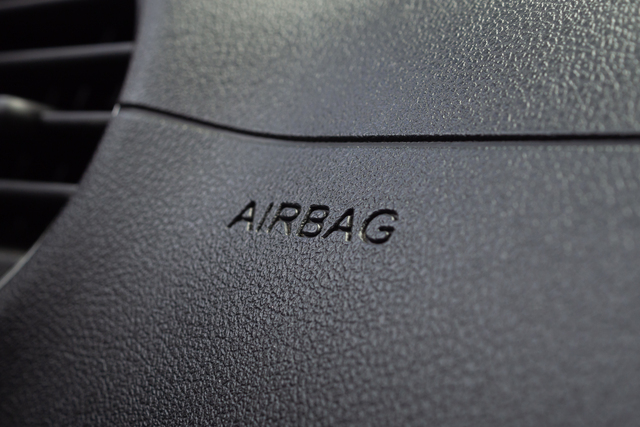
A BMW airbag warning light can appear with no change in how the car drives. The engine runs fine. Brakes feel normal. Still, that light matters. When the SRS light is on, the system stores a fault and may disable some airbag functions. In a crash, that can mean an airbag or a seat belt pretensioner fails to deploy or activate as it should. This is not a light to ignore for weeks.
What The BMW SRS System Covers
BMW SRS systems include airbags, sensors, and seat belt components that work as one safety package. The control module watches inputs, then decides when to deploy airbags and tighten seat belts during a collision.
Some of these parts include:
- Front and side impact sensors
- Steering wheel and dash airbag modules
- Seat airbags and curtain airbags
- Seat belt pretensioners
- Seat occupancy sensors
- Clock spring and steering column wiring
- SRS control module and related connectors
A fault with even just one of these can trigger the light to come on.
Common Reasons The BMW Airbag Light Turns On
BMW airbag lights often come down to wiring, sensors, or seat-related inputs. These are common causes we see.
- Seat occupancy sensor faults often occur after spills or seat work
- Loose or damaged connectors under the seats
- Clock spring wear that affects the steering wheel airbag circuits
- Low battery voltage events that store SRS faults
- Pretensioner faults after a seat belt locks hard in a sudden stop
- Past collision repairs that did not address the SRS data correctly
Some causes are simple, like a connector issue. Others require testing and part replacement. The stored code gives a general direction on where to start.
Why A Generic Scan Tool Often Misses It
Many basic code readers only access engine and transmission codes. SRS diagnosis needs access to the airbag module and the right data stream. Without that access, you can end up chasing the wrong issue or clearing codes without fixing the cause.
Why DIY Is Not A Real Option
Airbag systems are not like engine codes you can guess at. SRS faults often stem from wiring, seat sensors, or the clock spring, and the fix depends on circuit testing, not part swaps. Working under seats can trigger more faults if the connectors are handled incorrectly. There is also a risk of accidental deployment. Even with the light off, stored faults can remain. Proper diagnosis needs SRS scan access, correct test steps, and a safe reset after repairs.
Don’t handle this fix on your own; bring it to Driven Auto Care of San Jose, CA for professional expert service that gets the job done right the first time.