 Why Coolant Leaks Are Not Always Obvious
Coolant does not always drip straight to the ground. It can land on a splash shield and spread. It can dry on a hot engine and leave only a crusty trail. Some leaks only open when the cooling system builds pressure, so the engine can look dry when it is cold and parked.
Small leaks can also evaporate. A hose joint can seep onto a hot surface and turn into vapor. You smell it, but you do not see a puddle. That is common around the front of the engine and near the firewall.
How We Find Coolant Leaks In The Shop
At Driven Auto Care of San Jose, CA, we use a step-by-step process so we do not miss a slow leak.
- First, we check the coolant level and look for residue trails. Dried coolant often leaves white, pink, or orange crust around seams and joints.
- Then we inspect the underside for wet spots on covers and subframes.
- Next, we pressure test the cooling system. Pressure testing helps reveal leaks that only show under normal operating pressure. If the leak is very small, we may add UV dye to the coolant and inspect with a UV light. Dye makes the exact path easier to confirm.
- We also check fan operation and thermostat behavior, since cooling issues can stack. A leak plus a weak fan can push temps up fast.
Common Nissan Coolant Leak Sources
Leak points vary by model and engine, but we often start with the same areas.
- Radiator seams and plastic end tanks
- Upper and lower radiator hoses and clamp joints
- Thermostat housing and gasket surfaces
- Water pump seep at the weep hole or gasket area
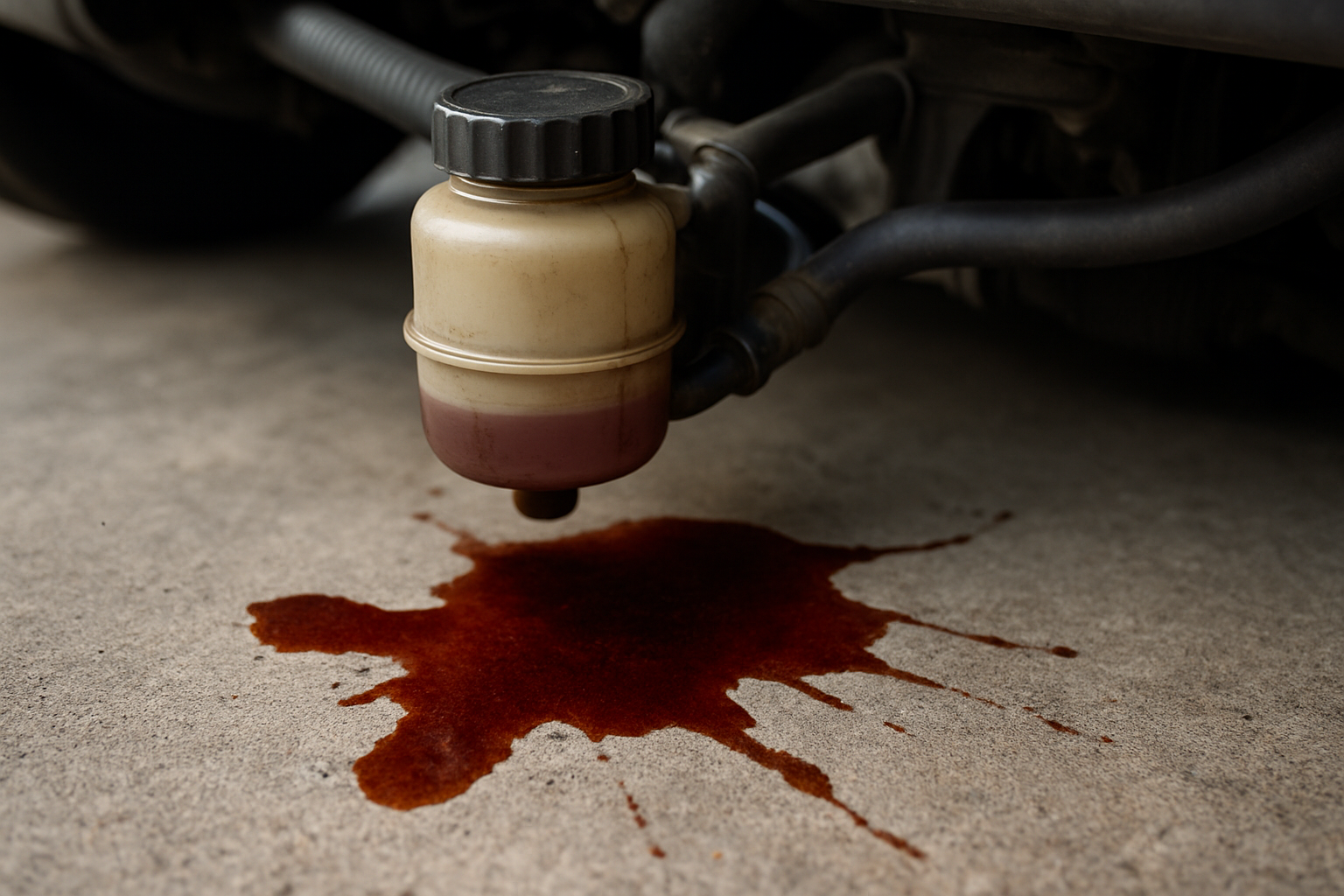
- Coolant reservoir cracks and cap seal problems
- Heater hoses near the firewall
- Coolant fittings and crossover pipes on some engines
What Can Cause A Coolant Leak
Time and heat do most of the damage. Rubber hoses harden and crack. Plastic parts get brittle and split at seams. Clamps lose tension. Road debris can also nick the radiator or bend fins and stress seams.
Maintenance plays a role, too. Old coolant loses corrosion protection. That can speed up wear on metal surfaces and seals. Mixed coolant types can also cause sealing problems in some systems. We check the coolant condition and confirm the correct type for the vehicle.
Overheat Risk And What To Do If Temps Rise
Coolant loss can lead to overheating. Overheating can damage gaskets and warp parts. One engine overheating can turn a simple leak into a major repair.
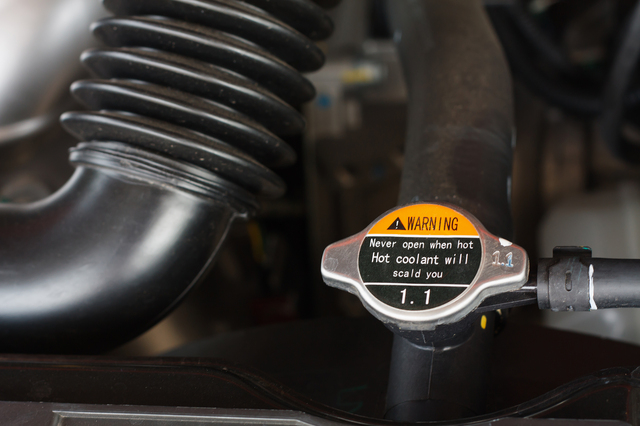
If the temperature gauge rises above normal, pull over and shut the engine off. Let it cool fully. Do not open the cap on a hot system. If you see steam, stop driving immediately.
Let’s Track Down That Coolant Loss
If you live or work in Silicon Valley, swing by
Driven Auto Care of San Jose, CA. We’ll pressure test the system, trace the leak, and get you back on the road without the constant worry of overheating.