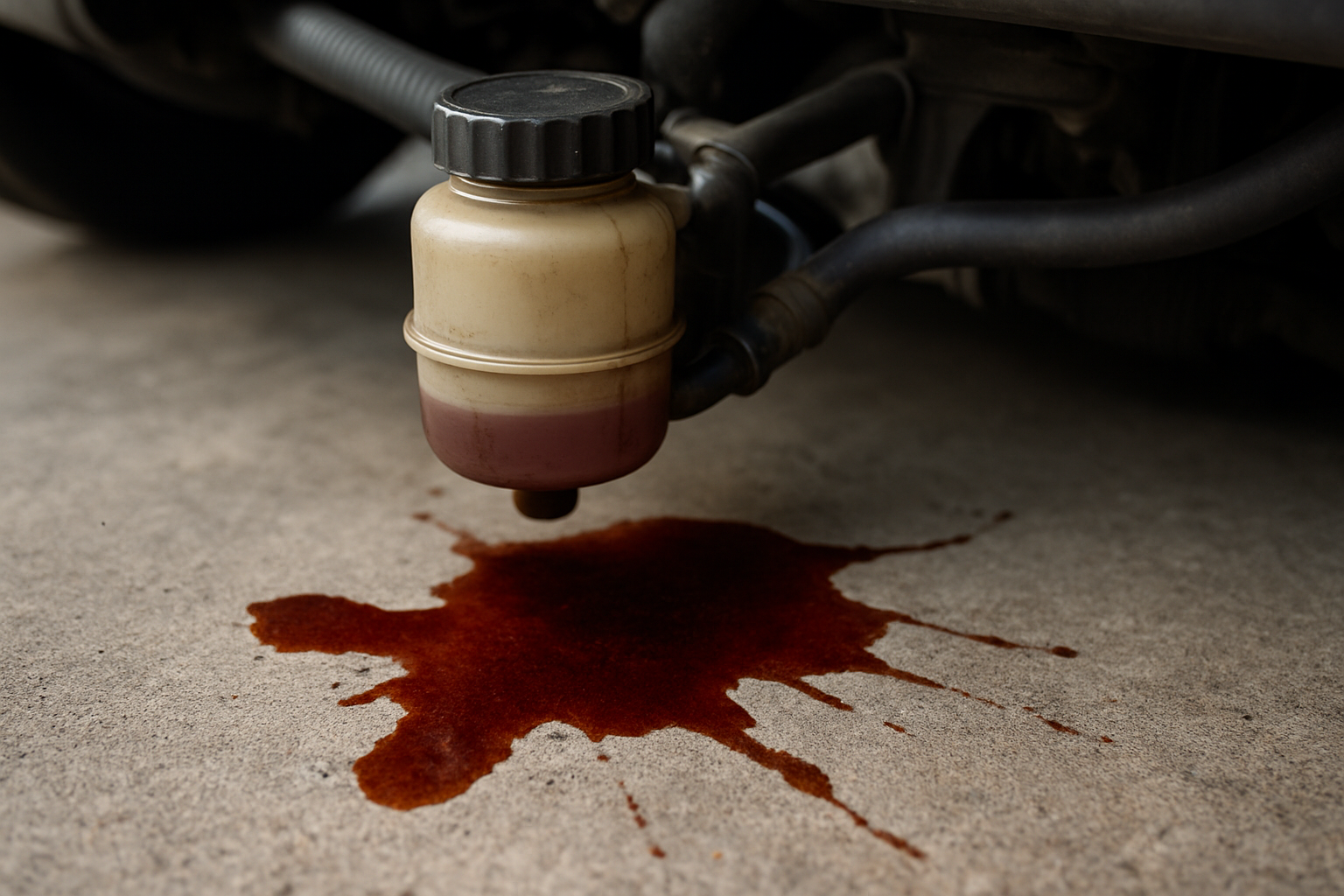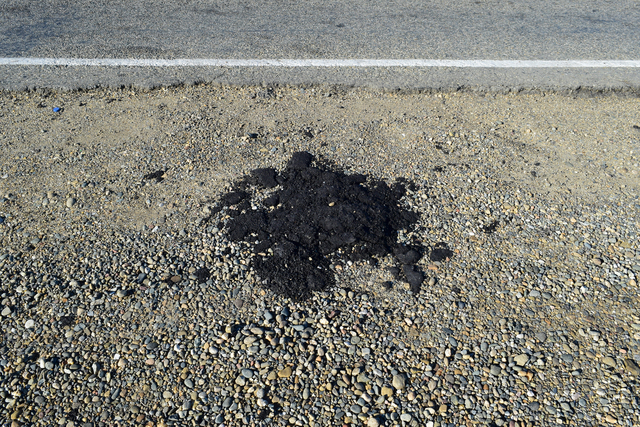
Audi oil spots on the driveway can start as one small drop, then turn into a steady pattern over a few weeks. Some owners notice a burning smell after parking. Others notice oil on the lower engine cover during an oil change. Oil can spread along covers and underbody panels, so the drip spot does not always match the leak source. That is why diagnosis matters. Replacing the wrong seal can waste money and leave the original leak untouched.
Why Audi Oil Leaks Start
Heat cycles harden seals and flatten gaskets. Many Audi engines run warm and pack parts tightly, so small seepage can travel and collect on shields. Plastic housings and covers can also warp with age. Oil then follows gravity and airflow patterns and ends up dripping from a low edge rather than the real entry point. Short trips can also play a role. Seals heat up and cool down more often, and that movement can open small gaps over time.
Common Audi Leak Points We Check First
Leak points vary by engine and model, but a few areas show up often in the shop.
- Leaks from the valve cover gasket that run down the side of the engine
- Leaks from the upper timing cover or front cover on some engines
- Leaks from the oil filter housing or adapter gasket
- Leaks from the oil pan along the lower edge
- Leaks from the front crank seal near the pulley area
- Leaks from the turbo oil feed or return line on turbo models
Why You Should Never Let an Oil Drip Continue
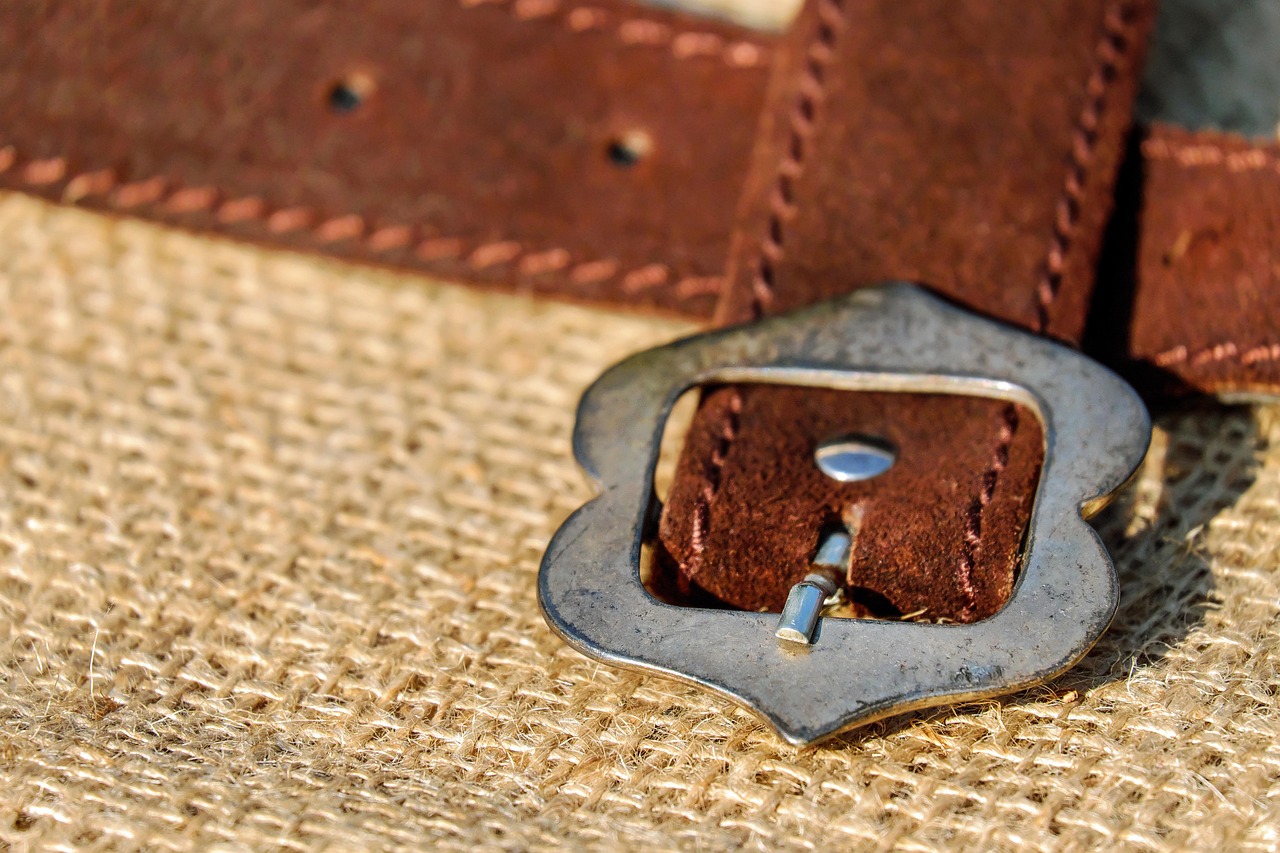
Oil leaks rarely stay contained. Oil can soften rubber hoses and shorten belt life. It can coat the serpentine belt, causing slippage or noise. Oil can also reach wiring connectors and sensors and trigger warning lights. If oil lands on hot exhaust parts, it can smoke and create a strong odor after shutdown. That can also make the cabin air smell when the fan is on.
There is also a fire risk. It is not common, but oil on very hot components can ignite under the right conditions.
How Audi Leaks Are Found at Driven Auto Care of San Jose, CA
We inspect from the top and underside and look for the highest wet point. If the leak has spread, we may clean the area and recheck after a short drive. For slow leaks, we can use UV dye and a UV light to confirm the exact path. We also check crankcase ventilation operation. High crankcase pressure can push oil past seals, causing recurring leaks even after a gasket repair.
What Repairs Usually Include
Once we confirm the source, we focus on proper sealing and cleanup. That often means replacing a gasket or seal, using correct torque steps, and cleaning oil off hot surfaces so smoke and odor stop.
Repair steps can include:
- Replace the leaking gasket or seal
- Clean oil off the engine and exhaust surfaces
- Replace oil-soaked belts when needed
- Inspect nearby hoses, wiring, and sensors for oil exposure
- Verify oil level and recheck for fresh seep after a road test
If your Audi is leaving oil drips, schedule service with Driven Auto Care of San Jose, CA. Our European auto repair team will find the real leak source and complete the repair so the oil spots and burning smell stop.