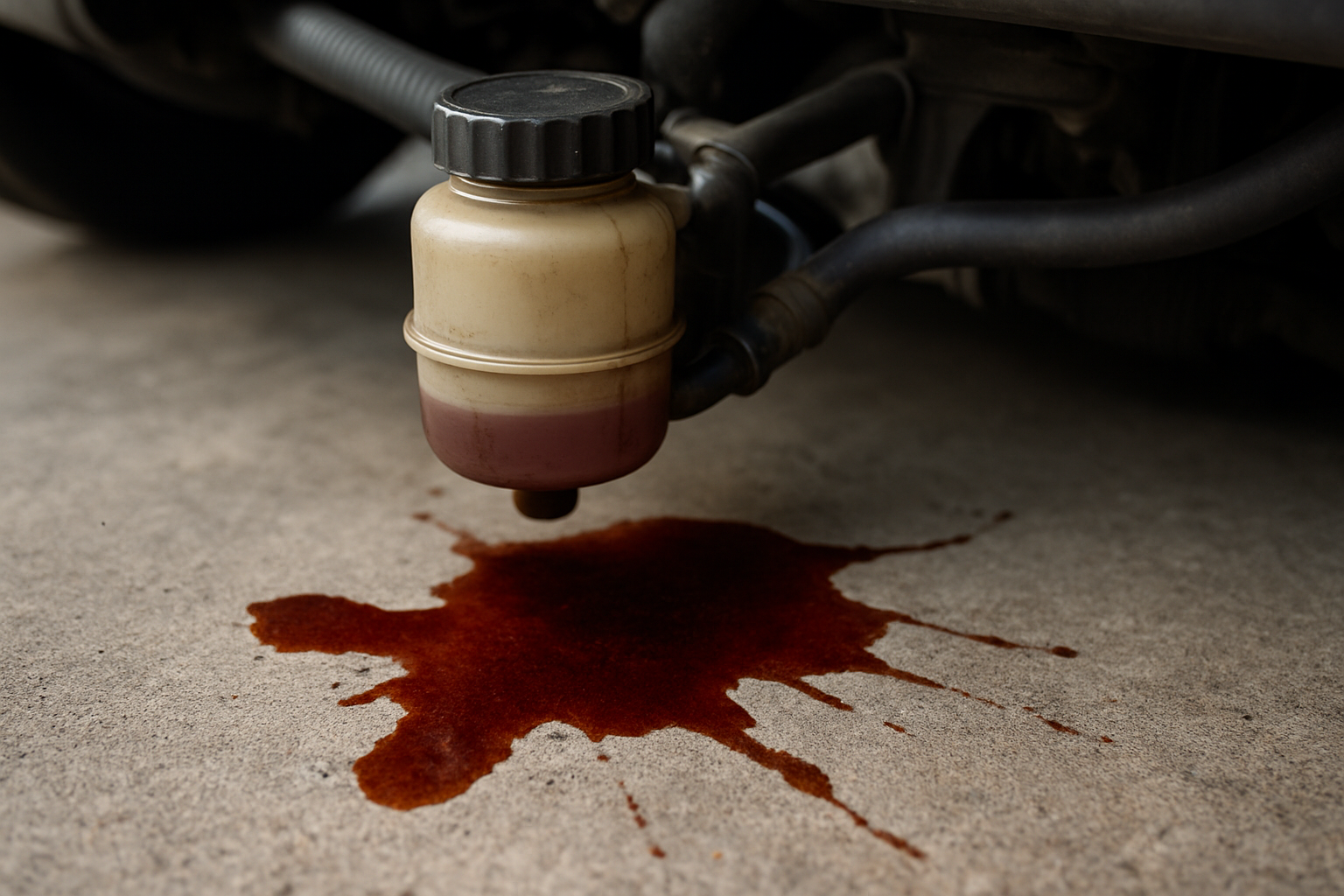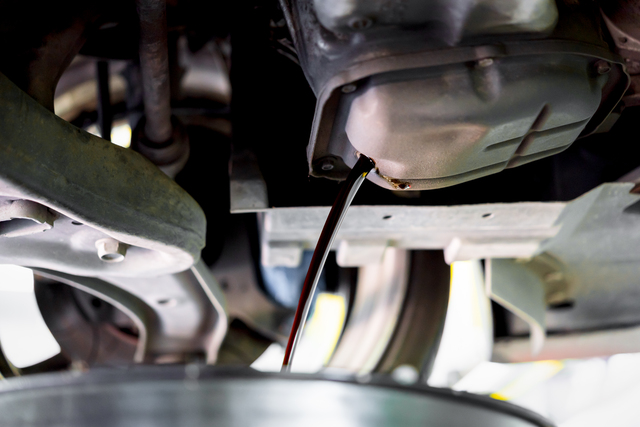
BMW oil spots on the driveway often begin as a light seep. You might notice one drop after an overnight park, then a few more the next week. Some drivers smell burning oil after a drive, even when the car still runs smoothly. Oil can travel along covers and splash shields, so the drip spot does not always match the leak source. That is why a proper diagnosis matters. A quick guess can miss the true entry point, then the leak returns.
Why BMW Oil Leaks Start
Heat and time wear out gaskets and seals. BMW engines run warm, and repeated heat cycles flatten sealing surfaces. Plastic housings and covers can also warp. Road grime sticks to oil, so a small seep can spread and hide where it began.
Short trips can make this worse. The engine heats up, then cools down, and seals see more expansion and contraction. Once a seep starts, oil often follows the same path down the engine block and collects on the lower cover.
Common BMW Leak Points We Check First
BMW leak points vary by engine family, but a few areas recur across many models.
- Valve cover gasket seep that runs down the side of the engine
- Oil filter housing gasket leak that spreads over the front of the engine
- Oil pan seepage along the lower edge and subframe area
- Front crank seal seep near the pulley and belt path
- Timing cover seep on some engines
- Turbo oil line seep on turbo models
Risks Of Letting An Oil Drip Go
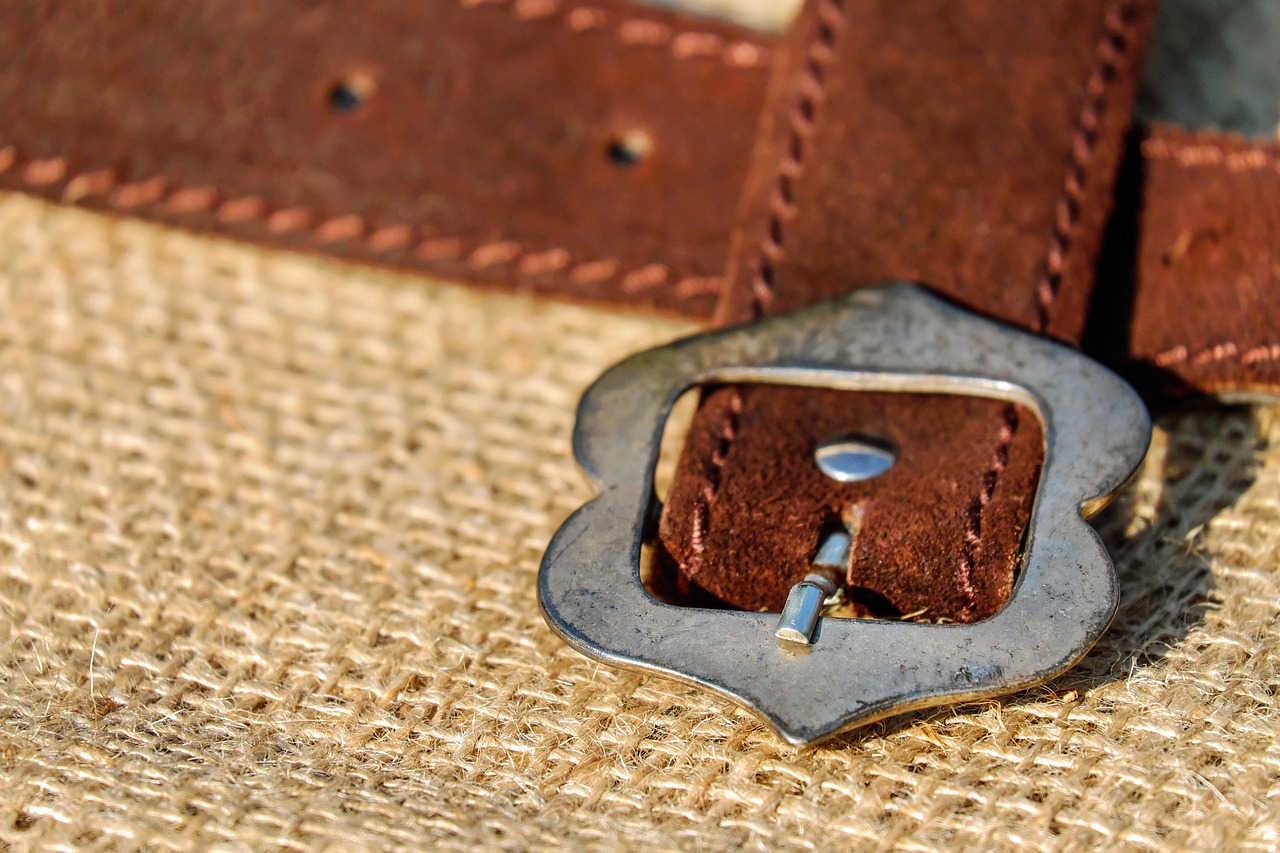
Oil leaks rarely stay small. Oil can soften rubber parts and shorten hose life. It can coat the serpentine belt and cause slipping, squealing, or belt failure. Oil can also reach wiring connectors and sensors and trigger warning lights. A burning smell can also mean oil is landing on hot exhaust parts. That smoke is not just annoying. It can fill a garage and make the cabin smell when the fan is on.
There is also a fire risk. It is not common, but oil on very hot components can ignite under the right conditions.
How Driven Auto Care of San Jose, CA, Diagnoses BMW Oil Leaks
We start with a top and underside inspection. We look for the highest wet point and follow the oil trail. If the leak has spread, we may clean the area and recheck after a short drive. For slow leaks, we can use UV dye and a UV light to confirm the exact path.
We also check related systems that can drive leaks, like crankcase ventilation problems that raise pressure. High pressure can push oil past seals, causing recurring leaks if not addressed.
Don’t wait, schedule service with Driven Auto Care of San Jose, CA. Our European auto repair team will find the source, explain what is causing it, and complete the repair so the leak stops and your engine stays protected.