A clunk from the front or rear of a Honda usually shows up on speed bumps, driveway ramps, and rough streets. It can start as one knock, then become a repeated sound every time the suspension loads. Some drivers also feel extra bounce or loose steering. A clunk means a part is moving when it should stay tight. Struts are a common cause, but mounts, links, and bushings can sound the same. That is why a real inspection matters.
What Struts Do On A Honda
Struts control bounce and keep tires planted. They help the car stay stable during braking and cornering. On many Honda models, the front suspension uses a strut design, so the strut also helps hold alignment angles. When struts wear, the ride gets harsher or bouncier, and the tires can lose steady contact with the road on rough surfaces.
Why Hondas Clunk Over Bumps
A clunk usually comes from wear in the strut assembly or its surrounding parts. These are common causes we see.
- Worn strut mounts that let the top of the strut shift
- Worn strut bearings that bind and pop during turns
- Loose sway bar end links that knock over small bumps
- Worn control arm bushings that allow extra movement
- Loose hardware from past suspension work
- Struts that lost damping and bottom out more easily
The sound location can help, but testing confirms the cause. A front clunk can come from an end link. A rear clunk can come from a mount or a loose bushing.
Signs The Problem Is Getting Worse
Some owners hear the clunk first. Others notice handling changes first.
- More bounce after dips, the car takes longer to settle
- Nose-dive feels stronger during braking
- Steering feels loose, or the car wanders at speed
- Uneven tire wear, often cupping or scalloping
- Fluid seeps on the strut body
If the clunk grows louder, book service soon. Worn parts can stress other suspension components.
What A Strut Inspection Looks Like At Driven Auto Care
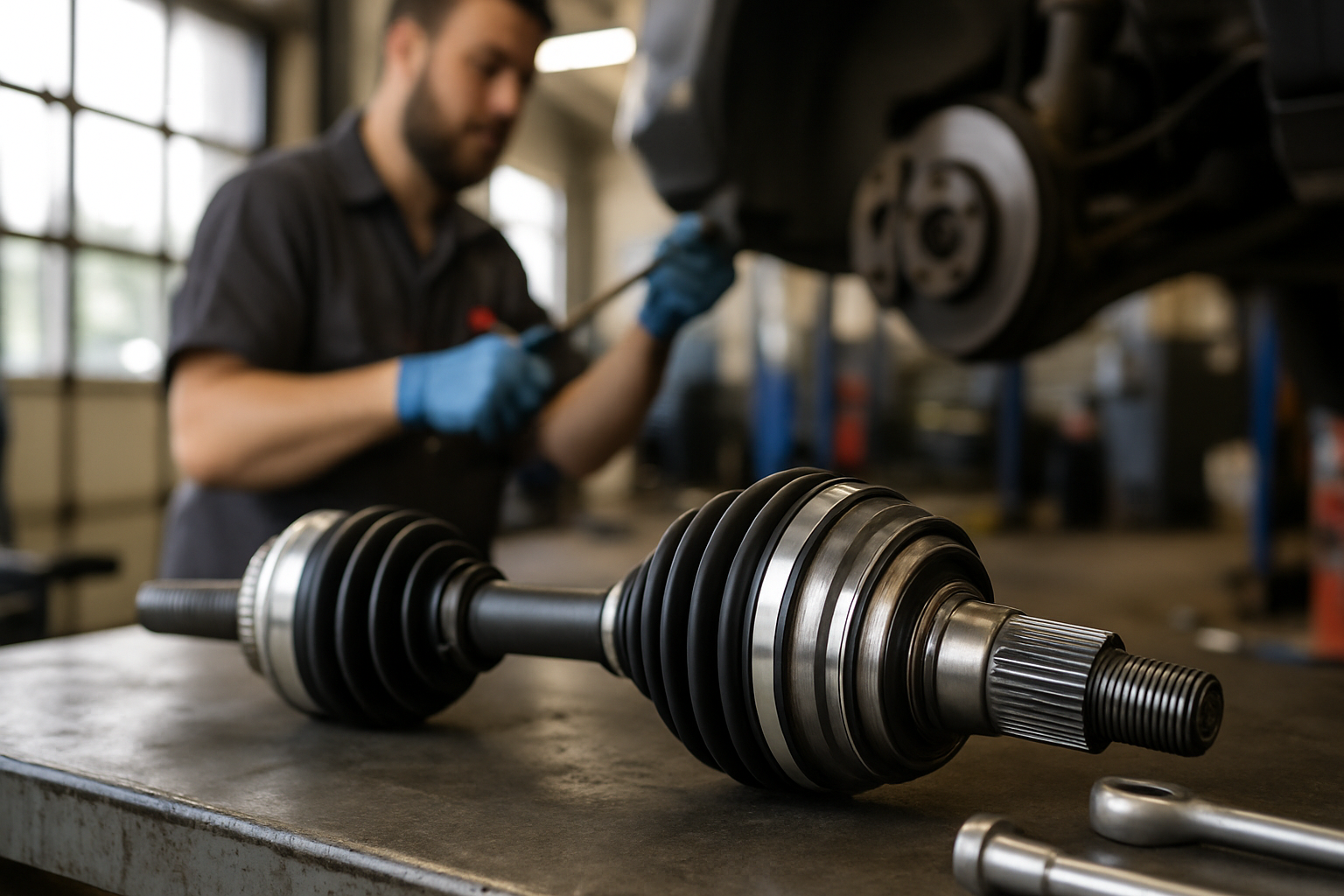
At Driven Auto Care of San Jose, CA, we start with a road test to recreate the sound. Then we inspect the suspension on the lift. We check mounts, end links, bushings, and strut condition. We look for play at joints and loose hardware. We also check for leaking struts and broken spring ends on some setups. If a noise only shows at ride height, we load the suspension and test again. This step helps avoid replacing the wrong part.
What Affects Repair Cost
Cost depends on more than the strut itself. Labor time changes by model and access. Parts cost changes by brand and design. Extra-worn parts can add cost, too.
The biggest cost factors are:
- Front versus rear struts, the front often takes more labor
- Mount and bearing replacement is common on clunk complaints
- Rust and seized fasteners that slow removal
- Added parts found during inspection, like end links or bushings
- Alignment after the job
Schedule Honda Suspension Service In San Jose
If your Honda struts are clunking, set up an inspection with Driven Auto Care of San Jose, CA. We will get your Honda riding smoothly again.